

Jubilee line guide
Click to go to each section:
- The history of the Jubilee line: Key milestones
- Jubilee line stops
- Best things to do along the Jubilee line
- East London and the Docklands: Stratford to Canada Water
- South of the Thames: Bermondsey to Waterloo
- Central London: Westminster to Baker Street
- North-west London: St John's Wood to Neasden
- Outer London: Wembley Park to Stanmore
- Tips for riding the Jubilee line
- Fun Jubilee line facts and trivia
Originally built to connect central to north-west London and later extended to the east, the Jubilee line takes in some of London’s most diverse areas full of major attractions and lesser-known sights.
London’s most recent addition to the long-running Tube network, the line opened soon after Queen Elizabeth II’s Silver Jubilee – which explains its name and silver-grey colour.
Read on for our top tips on what to see along the way.
The history of the Jubilee Line: Key milestones
1965: The release of "A Railway Plan for London" proposes a new Underground line, called the Fleet line, to connect Baker Street to New Cross and Lewisham in south-east London. The name is chosen because part of the line is due to pass near Fleet Street and nearby river Fleet.
1971: Construction of the line starts. Still known as the Fleet line, it is due to be branded with a “battleship grey” colour to match the name (“a fleet of battleships”).
1977: Despite some opposition due to costs and concerns over the longevity of the name, the Fleet line’s name is changed to the “Jubilee line” in honour of Queen Elizabeth II’s Silver Jubilee of the same year.
1979: The Jubilee line is opened on 30 April, by the then Charles, Prince of Wales. The line opens to the public two days later, connecting Charing Cross in central London to Stanmore in north London.
1989: An extension to the Jubilee line is passed in Parliament – the £1.9 billion project promises to extend the line east, to Stratford.
1993: Work on the extension begins
1999: The extension opens in stages:
- 14 May: Stratford to North Greenwich
- 17 Sep: North Greenwich to Bermondsey
- 20 Nov: the remaining section opens (except for Westminster)
- 22 Dec: Westminster opens.
2012: The line serves as one of the main routes for fans going to Queen Elizabeth Olympic Park, where the 2012 Olympic and Paralympic Games are held.
2016: The Jubilee line becomes part of the Night Tube network, with trains running all night on Fridays and Saturdays.
2020: A section of the Jubilee line becomes the first to adopt 4G technology on the London Underground network, allowing customers to connect to the internet while on the move.

Jubilee line stops
The most interconnected line on the London Underground network, the Jubilee line runs for 22 miles (36km), from Stratford in east London to Stanmore in north-west London.
Along the way, it intersects the centre of London, stopping at the likes of Waterloo, Westminster, Bond Street and Baker Street, among its 27 stations.
Fun fact: As one of the London transport network’s more modern lines, it has step-free access at most stations, air-conditioned trains and glass safety screens on the platforms at some stations.
Best things to do along the Jubilee line
Each stop along the Jubilee line offers endless opportunities and new experiences. Hop on and off along the line or spend a whole day exploring one area – here are our highlights:
East London and the Docklands
Stratford
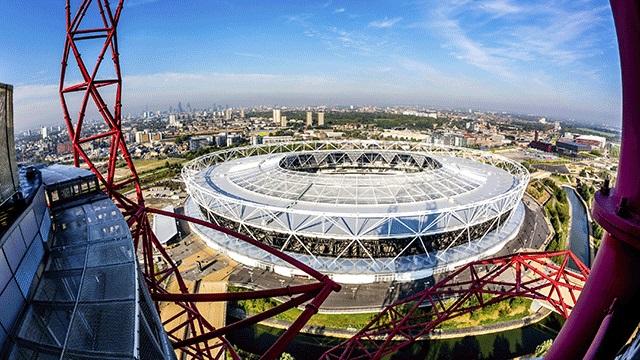
Stratford has been transformed into a major entertainment hub in recent decades thanks, in part, to its role hosting the London 2012 Olympic and Paralympic Games.
You can visit Queen Elizabeth Olympic Park: hire a bike, go swimming in the Aquatics Centre or take a zipline from the ArcelorMittal Orbit. You can also explore V&A East Storehouse, a museum crammed full of fascinating objects from The V&A’s vast collection.
Spend some time perusing Westfield Stratford City shopping centre’s designer shops, restaurants and bars – one of the largest shopping centres in London, where you can easily spend a whole day.
Editor’s tip: Say “I do, I do, I do…” to tickets for ABBA Voyage, a concert experience like no other, where digital avatars of the famous Swedish pop group take to the stage.
West Ham
An historic East End neighbourhood, West Ham is home to the Abbey Mills Pumping Station (Abbey Lane, E15 2RW). You’d be forgiven for thinking this fine example of Victorian engineering was some sort of stately home, but it’s actually a sewerage pumping station designed by the famous Joseph Bazalgette among others. Spot its ornate brickwork and unique mix of architectural styles, from Venetian and Gothic to Moorish.
Editor’s tip: Although access inside is limited, the station is sometimes open to visitors during Open House London Weekend and other events.
Canning Town
In the heart of the Docklands – an area where goods such as sugar, spice and tea arrived from far and wide – Canning Town provides is a gateway to London City Island at Leamouth Peninsula. It’s here you’ll find the new home of the English National Ballet, the Mulryan Centre for Dance (41 Hopewell Square, E14 0SY).
Editor’s tip: Keep an eye out for the English National Ballet’s dance classes to learn from the experts.
North Greenwich

Alight at North Greenwich for the London Cable Car. London’s only cable car that crosses the Thames, provides sweeping views of the river, The O2 and the Docklands, as well as glimpses of Queen Elizabeth Olympic Park.
Once back firmly on the ground, explore The O2 – whether grabbing a bite to eat at the many restaurants or seeing a concert. For art lovers, there are free public art trails to enjoy in the area.
Editor’s tip: Scale the roof in the adrenaline-inducing Up at The O2 experience.
Canary Wharf
A centre of finance and business, Canary Wharf is ever-present on London’s landscape with its skyscrapers, including the eye-catching One Canada Square. But it’s also home to exciting experiences, immersive activities and top-notch food and drink.
Hang out at activity bars such as old-school fairground games at Fairgame (23-35 Fisherman’s Walk, E14 4DH) or clay-pigeon-themed Clays (1 Cabot Square, E14 4QJ). Put your foot down at K1 Speed (15 Cabot Square, E14 4QS) go karting or take to the water by hiring your own GoBoat (22 Churchill Place, E14 5RE).
Editor’s tip: Visit London Museum Docklands’ free galleries and regular exhibitions to learn more about the area’s history as a centre of trade.
Canada Water
Canada Water was named after the lake that sprung from Canada Dock which, in turn, was so called due to its trade in timber transported from Canada.
Explore more industrial heritage at nearby Brunel Museum and Engine Rooms in Rotherhithe. This charming museum charts the engineering wonders of Isambard Kingdom Brunel – especially the Thames Tunnel, which is the world’s oldest underwater tunnel.
Editor’s tip: Enjoy something altogether more modern at Phantom Peak, an open-world experience where you can explore a whole town through immersive trails.
South of the Thames
Bermondsey
Check out one of London’s trendiest neighbourhoods, which has been filling social media feeds and magazine columns in recent years.
Beer lovers should head south from the station to join Bermondsey beer mile – this unofficial trail links numerous craft breweries throughout the neighbourhood, all the way to Maltby Street Market. The market itself is a hive of street food stalls and hidden hangouts beneath railway arches, while nearby Bermondsey Street also has a range of hip restaurants and gastropubs.
Editor’s tip: Study contemporary artworks at White Cube Gallery and unravel the threads of clothing at the Fashion and Textile Museum.
London Bridge
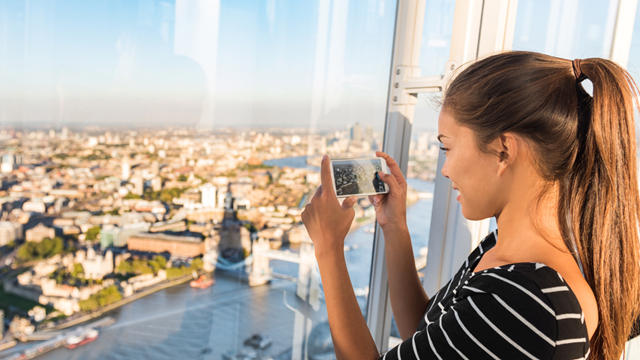
As the song goes, “London Bridge is falling down…” but the area is very much alive – and despite various bridges being here since Roman times, it has never actually fallen down!
Follow your nose to Borough Market, one of London’s best foodie destinations – take a tour of the market to find some of the best dishes and sellers.
Dust off your head for heights and scale Western Europe’s tallest building, The Shard, at The View from The Shard viewing platform. Or, slightly closer to the ground, brave the glass-bottomed walkways as you cross a London icon: Tower Bridge.
Editor’s tip: Take a short walk to the Tower of London – one of London’s most famous sights, where you can meet Yeoman Warders and learn about the castle’s gruesome past.
Southwark
Southwark has a chequered past, from a Tudor centre of bear-baiting and notorious drinking inns, to an area visited by pilgrims and a place of industry.
Its industrial past is noticeable at Tate Modern – this modern and contemporary art gallery is housed in a former power station on the Thames. Visit the free collection to view famous works from the likes of Matisse, Picasso and Rothko.
Editor’s tip: Join a guided tour of Shakespeare’s Globe – a reconstruction of the playwright’s original theatre.
Waterloo
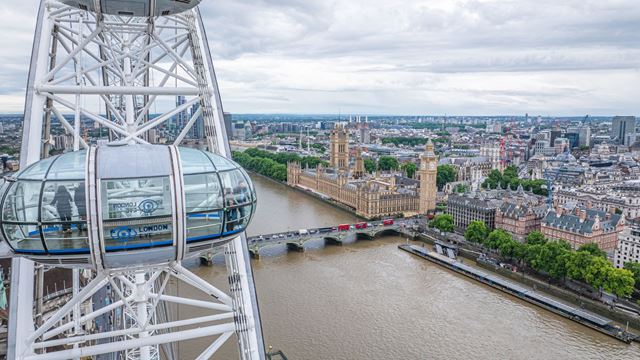
“Finally face your Waterloo…” at this buzzing area that’s centred around the mainline Waterloo Station.
Head to the South Bank to hop on the London Eye for epic views of the Thames and beyond. See maritime marvels at SEA LIFE London Aquarium, or treat the kids to immersive experiences such as the bone-chilling The London Dungeon, the memorable Shrek’s Adventure! London, and the marmalade-tastic Paddington Bear Experience.
Editor’s tip: Head to Southbank Centre for your culture fix: whether a concert at The Royal Festival Hall or contemporary art at the Hayward Gallery. The venue also hosts a weekend food market crammed full of street food stalls.
Watch some of our highlights along the route so far:
Central London
Westminster
London’s political heart, Westminster is famed for the Houses of Parliament, where Government sits within the Palace of Westminster – you can take a guided or self-guided audio tour to learn more about its role in British politics over the centuries.
Just opposite, you can follow in the footsteps of royalty at Westminster Abbey – it’s here where coronations and royal funerals have taken place, and where kings, poets and actors are buried.
Editor’s tip: Combine both historic attractions in one go with the guided Westminster Abbey and Houses of Parliament tour.
Green Park
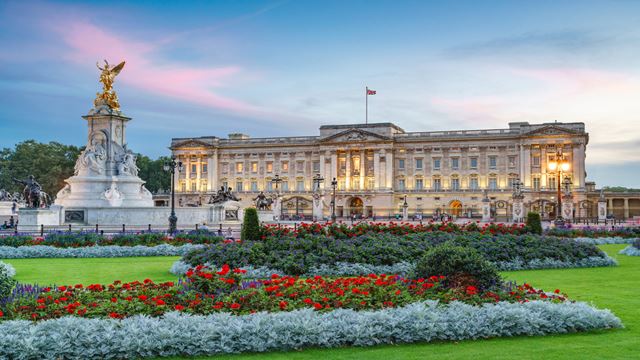
The royal theme continues at Green Park... Walk through Green Park and you’ll soon arrive at the gates of Buckingham Palace. Book tickets in advance for the Buckingham Palace Summer Opening (from May to September each year) to step inside the official residence of King Charles III and Queen Camilla.
Editor’s tip: Don’t miss the Royal Mews – where golden carriages and livery used in state processions are housed – or The King’s Gallery for treasures from the Royal Collection.
Bond Street
Slap bang in the middle of Mayfair, plush Bond Street is famed as a fashionista’s paradise, with its high-end designer shops, upmarket restaurants and independent art galleries.
Nearby, trace the lives of two very different musicians at Handel Hendrix House – an attraction that combines the former homes of George Frideric Handel and Jimi Hendrix.
Editor’s tip: Have your mind well and truly boggled at Twist Museum, which questions perceptions of reality with its immersive and sensory experiences.
Baker Street
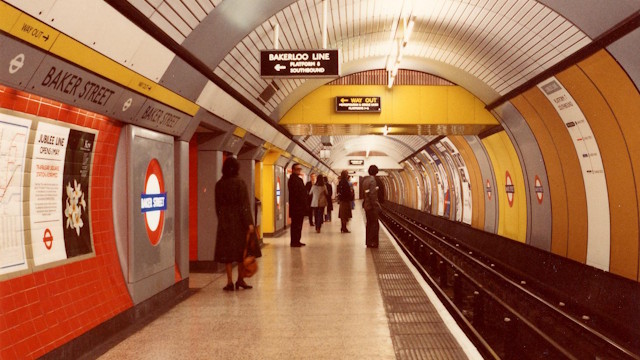
Baker Street is immortalised on paper as the home of Sherlock Holmes and on record by Gerry Rafferty’s saxophone. But a lesser-known fact is that Baker Street Underground station is London’s oldest, having been built in 1863.
A few steps away is the original Madame Tussauds wax museum, full of wax models of past and present celebs – from royalty to pop stars – and the thrilling Marvel 4D Cinema experience. Make sure to book your Madame Tussauds London tickets in advance to guarantee entry.
Sherlock Holmes’ house at 221B Baker Street is today the Sherlock Holmes Museum – step inside to learn about the cases he cracked, as well as items and curiosities belonging to Arthur Conan Doyle’s super sleuth.
Editor’s tip: For more fictional fun, book return transportation from Baker Street to see props and sets from the Harry Potter film series at Warner Bros. Studio Tour London – The Making of Harry Potter.
North-west London
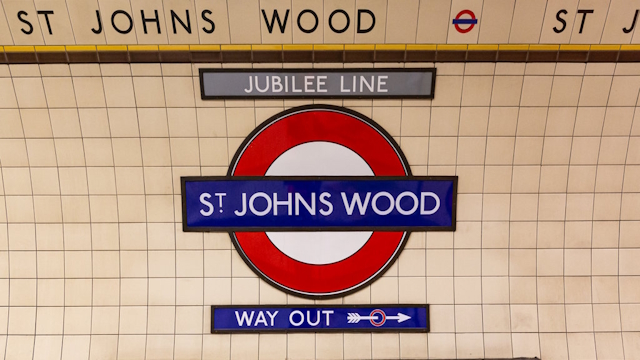
St John’s Wood
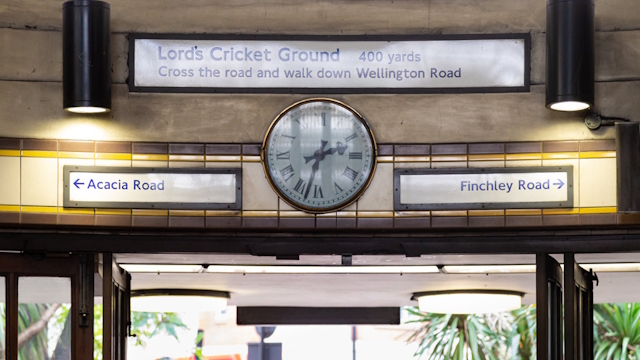
Anyone for cricket? Lord it up with a tour of Lord’s, home to the renowned Marylebone Cricket Club – explore 200 years of history, including the chance to see the grand Long Room, dressing rooms and a museum boasting the coveted Ashes urn.
From bats to The Beatles… and on to nearby Abbey Road. You just have to re-enact the album cover by crossing THAT zebra crossing – but just watch out for the traffic! If you want to learn more about the “Fab Four”, you can join a Beatles walking tour of Soho and Mayfair (the nearest Jubilee line stop is Green Park).
Editor’s tip: For beetles of a different kind, venture to ZSL London Zoo – the world’s oldest scientific zoo. Hang out with lemurs, see endangered big cats and learn from experts at keeper talks.
Swiss Cottage
Named after Ye Olde Swiss Cottage tavern, Swiss Cottage is a charming residential area close to the green spaces of Primrose Hill and Regent’s Park.
Climb Primrose Hill for one of the best views of London – come summer, you’ll be mingling with fellow picnickers long into the evenings.
Editor’s tip: If you haven’t secured a ticket for the London New Year’s Eve fireworks or a New Year’s Eve river cruise, head to Primrose Hill early to find the perfect spot to watch the fireworks at the turn of the year.
Finchley Road
Explore one of London’s most thought-provoking museums as you delve into psychoanalysis at Freud Museum, close to Finchley Road station. Here, you can study the famous couch and explore the life and work of the “founder of psychoanalysis” Sigmund Freud, as well as his daughter Anna Freud.
Editor’s tip: Discover the latest contemporary art exhibitions at the Camden Arts Centre.
West Hampstead
West Hampstead has long rubbed shoulders with some of the greatest names in music: the likes of Stevie Wonder and Rod Stewart have performed here, while David Bowie and the Rolling Stones recorded records (and the Beatles failed an audition) at Decca Studios, which are now owned by the English National Opera.
Editor’s tip: Head to West End Lane for a great choice of restaurants and cafes.
Kilburn
This multicultural area has seen waves of settlers arrive, attracted by work opportunities, safety from persecution and Kilburn’s suburban charm…. from the influx of Jewish immigrants in the early 1900s and post-war Irish workers – leading the area to be dubbed “County Kilburn” – to the 1970s, when many Caribbean, Asian and Middle Eastern arrivals set up home in Kilburn.
Today, this multiculturalism can be enjoyed through Kilburn High Road’s many restaurants, serving up dishes from global cuisines.
Editor’s tip: Grab a meal before seeing a show or screening at locals’ hotspot Kiln Theatre (269 Kilburn High Road, NW6 7JR).
Willesden Green
Willesden Green and its surrounds are home to various places of worship and cultural centres, reflecting its multicultural population. The Central Mosque of Brent (Lennon Road, NW2 4PU), Shree Swaminarayan Temple (220-222 Willesden Lane, NW2 5RG) and Brondesbury United Synagogue (143-145 Brondesbury Park, NW2 5JL) – among other places of worship – are all a short walking distance from the station.
Editor’s tip: Learn more about pioneering locals and the area’s history with exhibitions and collections at The Brent Museum (95 High Road, NW10 2SF).
Dollis Hill
Stop off at Dollis Hill to explore the green spaces of nearby Gladstone Park (Parkside, NW2 6RW). Relax among pretty flower beds and see the remnants of the once grand Dollis Hill House.
Editor’s tip: Reflect on Fred Kormis’s memorial “To the memory of prisoners of war and victims of concentration camps 1914–1945” in Gladstone Park, a poignant reminder of wartime suffering and loss.
Neasden
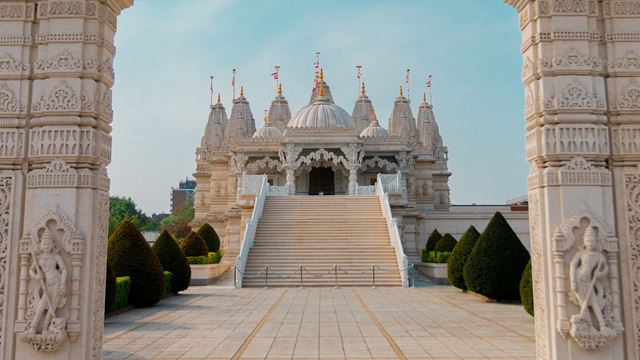
A trip to Neasden wouldn’t be complete without visiting BAPS Shri Swaminarayan Mandir – more commonly known as Neasden Temple. This gleaming white building crafted from limestone and marble immediately transports you to South Asia and is the first traditional Hindu temple in Europe.
Editor’s tip: Join a guided tour of the temple’s mandir and haveli, and enjoy a vegetarian meal in its restaurant.
Outer London
Wembley Park
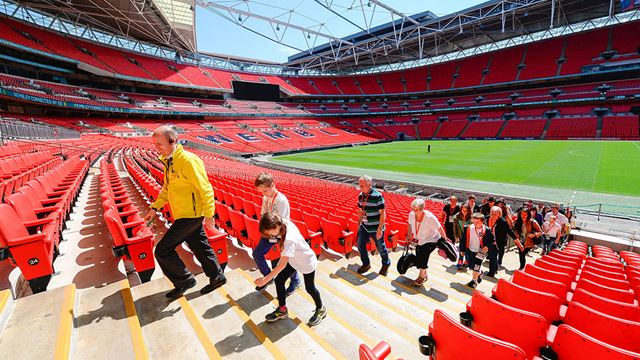
Famed as “The Home of Football”, Wembley Stadium is a London must-see for sports fans. Book onto a Wembley Stadium tour to walk through the tunnel towards the hallowed turf, visit the changing rooms and stand in the Royal Box.
Music lovers can enjoy a concert at OVO Arena Wembley, while those keen to refresh their wardrobe can pick up brand must-haves for less at the London Designer Outlet.
Editor’s tip: Tuck into all sorts of foodie treats or have fun with immersive experiences at BOXPARK Wembley.
Kingsbury
See Kingsbury’s ode to one of their own as you gaze at the George Michael mural (499 Kingsbury Road, NW9 9ED). The pop icon grew up in the area before rising to stardom with hits such as Careless Whisper, which is referred to within the artwork in the form of the singer’s silhouette from the music video.
Editor’s tip: Amble around Fryent Country Park (Fryent Way, NW9 9SE), a sprawling collection of fields, woodland and nature reserves – perfect for a stroll at any time of year.
Queensbury
Named to neatly match neighbouring Kingsbury, Queensbury Underground Station helped to establish the neighbourhood as its own entity when it was built in 1934.
Unlike fans of nearby Barnet Football Club, it has also switched allegiances a number of times… having previously been on the Metropolitan and then the Bakerloo line, it moved onto the Jubilee line in 1979.
Editor’s tip: Watch a football match at Barnet Football Club’s Hive stadium (Camrose Avenue, HA8 6AG).
Canons Park
Take some time out to enjoy the nearby park of the same name, which was previously part of the grounds of a grand country estate owned by Lord Chandos. Today, Canons Park (Donnefield Avenue, HA8 6RH) is a tranquil spot with a pond, woodland walks and meadows.
Editor’s tip: Visit in spring for woodland blooms such as wild garlic and bluebells.
Stanmore
You’ve reached the end of the line… but not the end of your adventures!
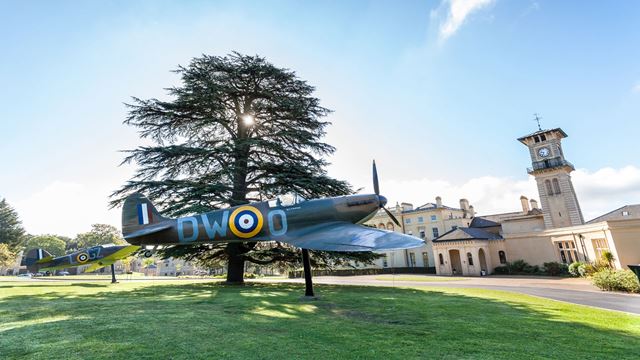
Learn how the Battle of Britain was won during the Second World War, at the Bentley Priory Museum (10 minutes from Stanmore Underground station by the 142 bus). This historic house became Headquarters Fighter Command during wartime, from which operations for the aerial battle were directed in 1940. Uncover stories from those involved, including Air Chief Marshal Sir Hugh Dowding, the aircrew and those playing a vital part from the ground.
Editor’s tip: Enjoy the open spaces of Bentley Priory Nature Reserve (Masefield Avenue, HA7 3LY), home to ancient woodland - including Hertfordshire’s oldest tree – a deer park, and a 2.9km-long trail (take the H12 or 340 bus from Stanmore station).
Tips for riding the Jubilee line
Best time to travel: Avoid travelling in peak hours during weekdays (7.30am-9.30am and 5pm-7pm).How to pay: Use contactless payment or an Oyster card for the best fares – fares are capped when using the same card. Find out more about Tube fares.
Plan in advance: Some stations on the Jubilee line will be busier during major events at nearby venues (such as Wembley Stadium at Wembley Park and The O2 at North Greenwich). Engineering work may also take place during some weekends and holidays.
Accessibility: Many stations on the Jubilee Line are step-free – either using ramps or mini ramps to board trains, or lifts at street level. However, not all stations have step-free access or interchanges. Find out more about accessible transport.
Fun Jubilee line facts and trivia
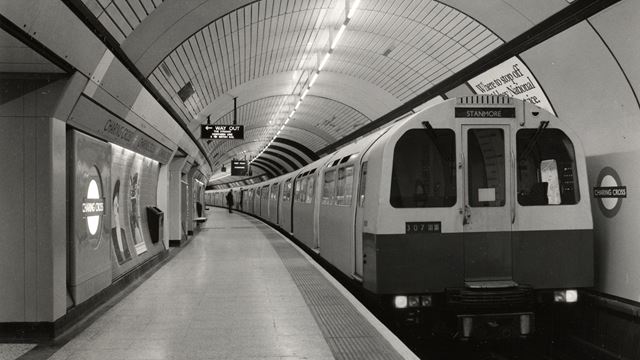
- Although it opened as a new line in 1979, the only actual “new” stretch was 4km of tunnels between Baker Street and Charing Cross – instead, the line used most of the existing network of the Bakerloo line.
- The Jubilee line is the only line to have interchanges with every other London Underground line, as well as the Elizabeth line, Docklands Light Railway, London Overground network and mainline railway stations.
- The Jubilee Line extension was the first on the network to add full-height glass screens and doors on the edge of platforms.
- Canary Wharf Tube station featured as a spaceship in the film Star Wars: Rogue One.
- Some Tube stations built as part of the Jubilee line extension were designed by acclaimed architects, including Norman Foster (who designed Canary Wharf Underground Station).
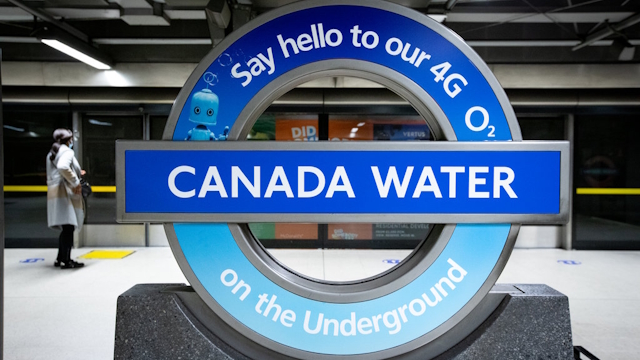
- The Jubilee line was the first to have 4G mobile service when it was introduced in March 2020.
Learn more about the Jubilee line and the Underground network’s past, present and future at the London Transport Museum – kids go free with each paying adult. Or join a guided Hidden Tube tour, which takes in disused Tube stations, providing plenty of little-known and unusual facts along the way.