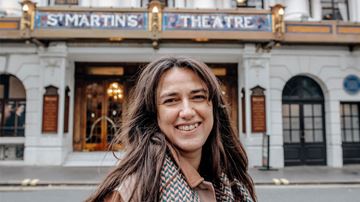

Jane Austen, a pillar of English literature and one of its most celebrated authors needs little introduction. It might surprise us today, but her work only gained widespread popularity around 50 years after her passing.
Last year marked a major moment for Austen fans across Britain, with events celebrating 250 years since her birth. And in 2026, the celebrations continue, with new experiences and events opening and evolving to honour the life and legacy of one of the country’s most significant authors.
In this guide, we explore places in London that Jane herself visited on her many trips to the capital, as well as locations featured in, or reminiscent of, the world she wrote about. You’ll find the homes she stayed in both London and Bath, alongside shops, theatres, and entertainment venues she would have known during the Regency era – some of which are still open today.
We also look beyond Austen favourites like Pride and Prejudice, highlighting exhibitions, events, and activities that bring her world vividly to life.
✨All Jane Austen things to do in London:
Jump ahead to the relevant section:
- 🪶Who was Jane Austen and her connection to London
- 🪭The Jane Austen Experience
- 🎭Austentatious – An Improvised Jane Austen Novel
- 🫖Jane Austen inspired afternoon tea in London
- 📖Places in London linked to Jane Austen
- 🏛️Jane Austen things to do in Bath
Jane Austen is often associated with the English countryside, particularly Hampshire, where she spent her early life, and later Bath, where she lived for a number of years. However, she also made regular trips to London, the cultural heart of Regency England and the centre of the publishing world at the time.

London was important not only for an emerging author trying to make her name, but also as a place of family visits, including time spent with her brother Henry, who supported her with publishing and acted as a link to literary and financial circles in the capital. More broadly, the British capital, much like in her novels, was the centre of social life and a place to be seen, from tea parties and theatre visits to shopping along its bustling streets.
This historic part of London survives to this day, from historic streets, theatres and landmarks, with many places and experiences bringing the London Austen knew to life. Through this article, we will explore some of the best spots to visit in London right now.
Fun facts – what you might not know about Jane Austen:
- Jane Austen published four novels during her lifetime, with two additional books posthumously.
- Sense and Sensibility was originally titled Elinor and Marianne, under the pen name "By a Lady".
- Known for romantic fiction focused on social commentary, Jane Austen never married, sticking to her belief that she would do so for love.
- When her father’s death in 1805, the family struggled to find a permanent home and ended up staying at her brother’s cottage in Chawton. A situation very similar to that experienced by the Dashwood sisters in Sense and Sensibility.
- Austen, now a literary legend, died with just under £800 to her name, some very modest means by Regency standards. The author only started to earn her own money in her mid-30s, gaining recognition only after her death.
- In 2017, celebrating the bicentenary of her passing, Austen became the first female author to be featured on British currency, her portrait appearing on the £10 note.
The life of Jane Austen: key moments
Early life and education (1775-93)
- 1775 (16 December): Jane Austen is born in Steventon, Hampshire, the seventh of eight children.
- 1782–1786: She grows up in a home where education is respected above all. With her sister Cassandra, they attend schools in Oxford, Southampton and Reading.
- 1787–1793: Jane writes plays, parodies, and short stories to entertain her family.
Early writing (1795-97)
- 1795: Jane writes Elinor and Marianne, an early version of what would become Sense and Sensibility.
- 1796 – 1797: She writes First Impressions, later becoming Pride and Prejudice.
- 1798 –1799: Jane writes Susan, later retitled and published as Northanger Abbey by her brother Henry in 1817.
Life in Bath and move to Chawton (1801–1809)
- 1801: Jane moves in with her parents and sister Cassandra, in Bath.
- 1805 (21 January): the family is thrown into precarious situation after her father dies.
- 1809: They settle at Austen’s brother’s cottage in Chawton, now home to Jane Austen’s House museum.
Published work and legacy (1811–1817)
- 1811: Sense and Sensibility is published anonymously, under the credit “By a Lady.”
- 1813: Pride and Prejudice is published, drawing wider attention to her work.
- 1814-1815: Jane writes Emma and, like her previous novels, is published anonymously. Critics praise her wit, humour and a sharp and authentic portrayal of her characters.
- 1817 (18 July): Jane Austen dies in Winchester at age 41.
The Jane Austen Experience
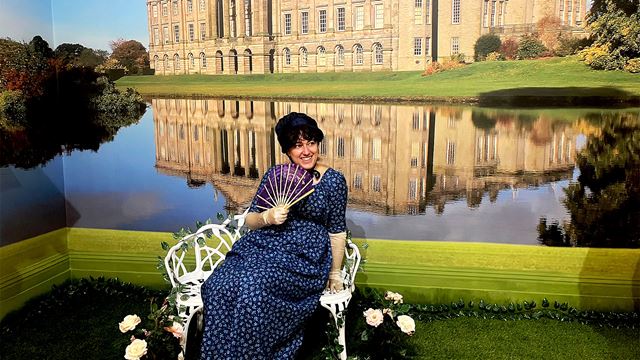
Sister attraction to the original Jane Austen Centre in Bath, the Jane Austen Experience opened in London this year, much to the delight of Austen fans. From the moment we arrived, we were transported back to Regency England. Guides dressed in period costume welcomed visitors while addressing one another as characters from Pride and Prejudice and Austen's other beloved novels, even their name badges bear the names of her famous characters.
The experience begins upstairs with an introduction to Jane Austen's life. One of the guides takes you on a journey from her childhood in Hampshire to her years in Bath and regular visits to London, highlighting the people, places and events that shaped both her life and her writing.
One of the highlights is the chance to dress the part, choosing from flowing Regency gowns, long satin gloves, bonnets and elegant fans. Complete with a grand country house backdrop worthy of Pride and Prejudice, it didn't take much convincing before we were posing for photos.We also had a go at writing with a quill, just as Jane herself would have done. It proved far trickier than expected, taking a few attempts before producing something even remotely readable.
As you continue through the experience, you'll come across displays exploring everyday life during the Regency era. We loved discovering period objects, smelling perfumes ladies would have worn and studying the large illustrated map tracing Jane Austen's London. It highlights the houses she stayed in, shops she visited like Twining’s, where she bought tea for her family, as well as theatres and other places connected to her visits to the capital.
Book your Jane Austen Experience tickets and follow in the footsteps of one of England's most beloved authors.
Austentatious – An Improvised Jane Austen Novel
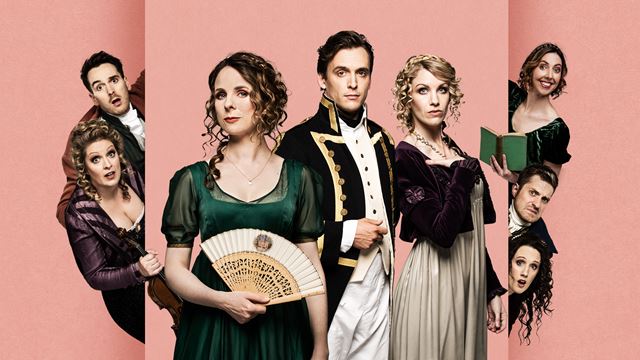
We went to see Austentatious on London’s West End, an award-winning smash-hit comedy now showing at the Vaudeville Theatre, inspired by the world of Jane Austen and taking you on a madcap Regency comedy ride.
At the start of the show, the audience is asked to come up with a completely made-up Jane Austen novel title. From there, an all-star cast sets off on a fully improvised story, performed in period costumes, with a live pianist also on stage in Regency dress. The story is guaranteed to be made up from start to finish, with each performance completely unique, and it’s gathered quite a following, with both Austen fans and improv comedy lovers filling up the seats. Each cast member takes on multiple characters throughout, playing fierce heroines, dashing gentlemen and everything in between. Costumes are changed quickly at the side of the stage, often hung on a simple coat hanger, adding to the chaos of it all.
When we went to see the show, the audience, ourselves included, was laughing from start to finish. The story followed two sisters: both dreaming of adventure at sea, with one promised in marriage to a man who couldn’t think of anything more dangerous than adventure itself. Things quickly spiral into romance, misunderstandings and pirate chaos, with the heroine falling head over heels for a wanted pirate, while being promised to a suitor who very much gave Mr Collins energy. The seagull antics were one of the most memorable moments, along with plenty of over-the-top physical comedy that had the whole theatre in stitches.
Overall, the cast shines through with an hilarious take on a new riotous Jane Austen tale, blending Jane Austen style storytelling with British humour reminiscent of fringe style theatre improv comedy topped with extreme silliness having the audience grappling for their seats, whether you’re a Jane Austen fan or not.
Book your tickets for Austentatious in London’s West End and enjoy a night of comedy and Regency chaos
Jane Austen inspired afternoon tea in London
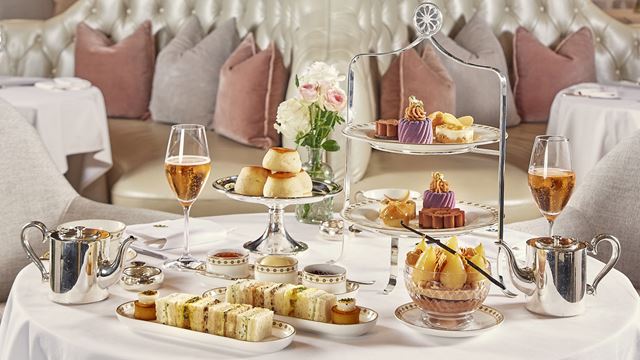
Jane Austen and her family were known to enjoy drinking tea, with Jane often responsible for replenishing the family's tea supplies during her trips to London's now-iconic Twinings flagship store on the Strand. Tea was an important part of daily life during the Regency era, and Austen's novels frequently feature characters gathering over a pot of tea, whether catching up with family, entertaining guests or discussing the latest society gossip.
While the afternoon tea tradition we know today only became fashionable a few decades after Austen's lifetime, taking tea was already a well-established tradition. Her novels are full of drawing room conversations over tea, as did many of her heroines , enjoying a cup of tea in elegant settings that inspired today's afternoon tea experience.
Nowadays, afternoon tea has become one of London's best-loved traditions, with everything from traditional experiences to imaginative themed menus on offer. Expect beautifully presented finger sandwiches, warm scones with clotted cream and jam, delicate pastries and, of course, an extensive tea menu where you can sample blends from around the world. If, like Jane, you're partial to a good cup of tea, it's one experience not to miss while visiting the capital.
Here are a few traditional afternoon teas we think Jane Austen would have approved of, thanks to their elegant surroundings, timeless atmosphere and excellent selection of teas.
The Langham
Stepping into Palm Court at The Langham feels like stepping back in time. Serving afternoon tea since 1865, the hotel continues to offer one of London’s most elegant experiences. Overseen by Michel Roux and created by Executive Pastry Chef Andrew Gravett, the Langham Afternoon Tea showcases seasonal, high-quality ingredients, with a menu featuring delicate finger sandwiches, a selection of cakes and pastries, warm scones, and over 30 blends of JING tea.
Adding to the refined and timeless atmosphere, guests can also enjoy live piano music daily from 1pm to 7pm, played within the elegant surroundings of Palm Court.
The Lanesborough
If you've secretly always wanted to attend a Bridgerton-style gathering, this is probably as close as you'll get. The elegant Regency-style hotel serves a Bridgerton-themed afternoon tea in The Lanesborough Grill, inspired by the Regency era and, we are told, one that would certainly be approved by Lady Whistledown.
The themed menu includes a selection of finger sandwiches and savouries, with fillings such as Westcombe cheddar and spring onion, Scottish smoked salmon with caraway crème fraîche, and an intriguing truffled potato bun. Pastries continue the Bridgerton theme, with desserts named Benedict’s Masquerade and The Lady in Silver among others.
To complete the experience, guests can choose from a selection of tea blends, including a specially created Bridgerton blend – a rich, floral black tea with sweet notes of fruit and rose petals.
Drury Lane Theatre
This one is for theatre fans. The historic Theatre Royal Drury Lane, the only theatre in the West End serving afternoon tea – delivers plenty of showstopping drama in its Regency Room, the opulent Grand Saloon.
The afternoon tea is served in two acts, each one bringing a theatrical twist to the experience. Act One sees a savoury prelude arrive at your table, introducing a cast of stage-inspired characters from the hero to the villain, the femme fatale and the sidekick, brought to life through sausage rolls, tartlets, salmon caviar, and cucumber and cream cheese finger sandwich. Act Two presents The Sweet Dilemma, featuring The Lovers – homemade scones served with jam and clotted cream – The Queen, a layered chocolate brownie with caramelised popcorn, and The Chorus, a raspberry and biscuit macaron alongside a lemon meringue tartlet.
A wide selection of teas is available, sourced from some of the finest tea gardens, including Darjeeling from the Arya Tea Estate, Earl Grey from the Rutsiro Tea Garden in Rwanda, and Jade Tips green tea grown in Xinyang, China.
Places in London linked to Jane Austen
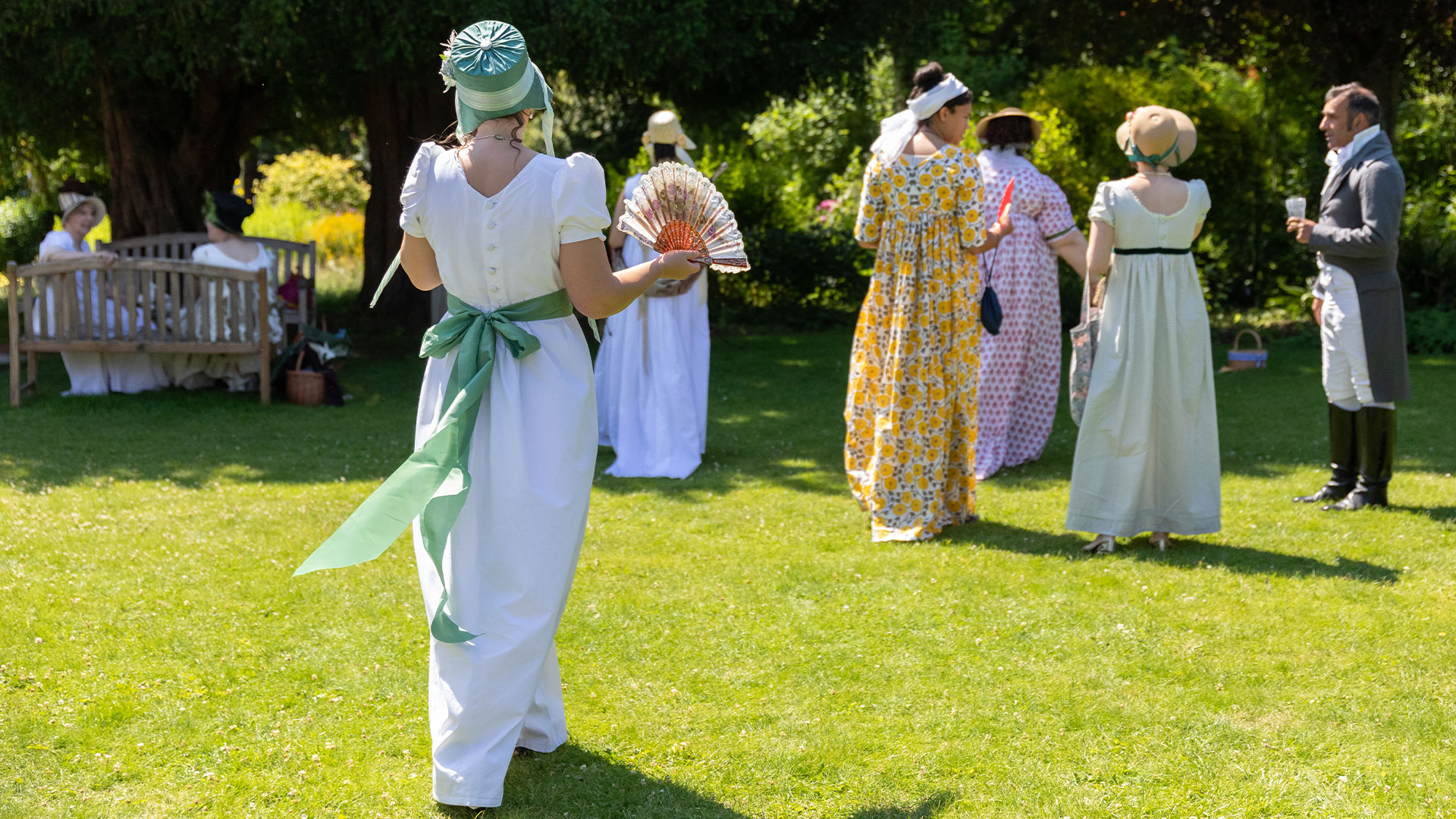
While celebrated characters in her novels seem to delight in life in the British countryside, Austen enjoyed her time in the capital. The city was a source of inspiration, with scenes taking place in lavish townhouses and residences, often the location of scandalous scenes.
We remember how Lydia and Mr. Wickham eloped secretly to London, marrying at a city church designed by Sir Christopher Wren: St Clement’s Church. And there’s the crushing moment when Marianne Dashwood realises that Mr Willoughby is already engaged, while staying with Mrs. Jennings on Upper Berkeley Street (W1H 6LG).
Covent Garden and The Strand
10 Henrietta Street
Hampshire born and raised, Austen spent much time in London, staying at her brother’s townhouse in Covent Garden on 10 Henrietta Street (WC2E 8PS), now a cocktail bar.
Twinings Store
Visit Twinings Store (216 Strand, WC2R 1AP), one of the oldest tea shops in London that was frequented by the Austen family. Tea clippers such as Cutty Sark were specially designed to bring back great supplies of tea from China. Spot the two statues of Chinese men sitting above the store’s sign.
The West End: Austen’s love for theatre
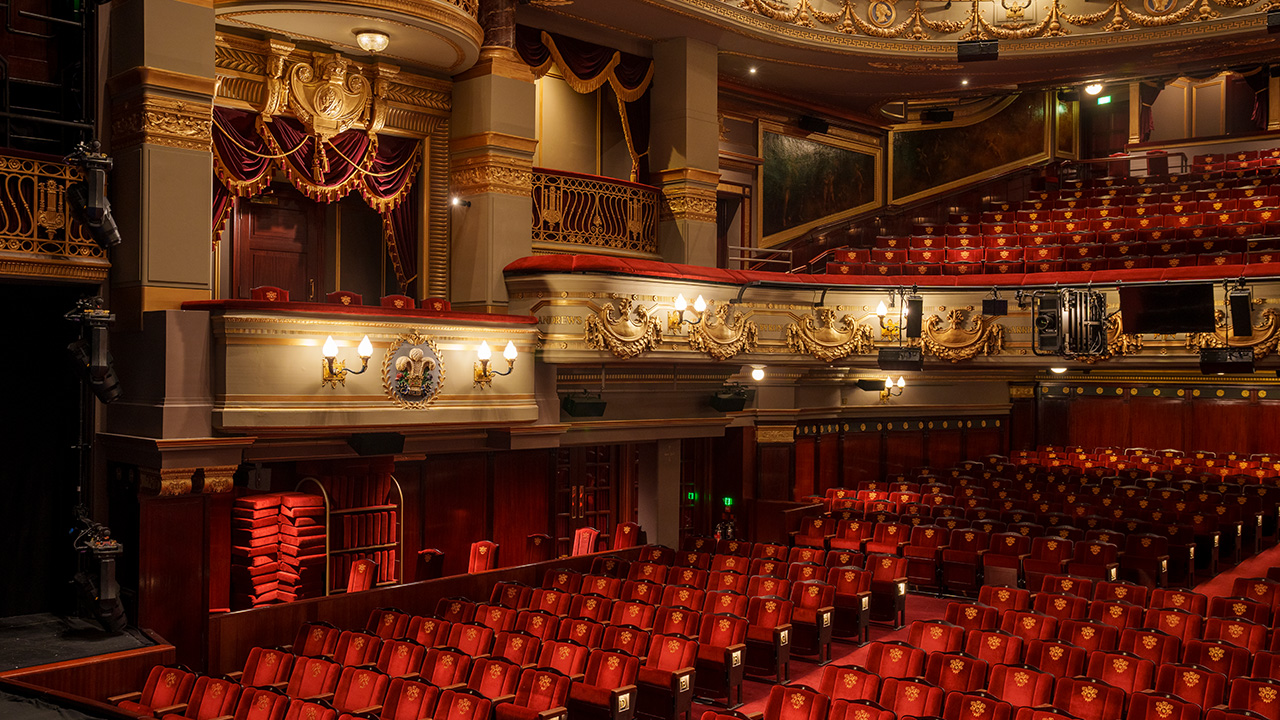
The Austen family was known for being great lovers of theatre, not only attending performances but also acting, with Austen’s earliest writing attempts under theatre form.
Covent Garden Theatre
Jane was often seen at the theatre, enjoying everything from Shakespearean tragedies to modern comedies. She and her friends reportedly saw Doctor Syntax at the Covent Garden Theatre (now known as His Majesty’s Theatre) from a box fitted with crimson velvet. You can now see The Phantom of the Opera there, so why not book tickets in a box and experience it for yourself?
Theatre Royal Drury Lane
In Sense and Sensibility, Willoughby learns of Marianne’s illness from Sir John Middleton in the theatre’s lobby. Follow in Austen’s footsteps and see a show at Drury Lane Theatre or take a deep dive into the building that has survived tragedy, fire, bankruptcy and even murder during a guided tour of the oldest theatre in the world.
Kensington
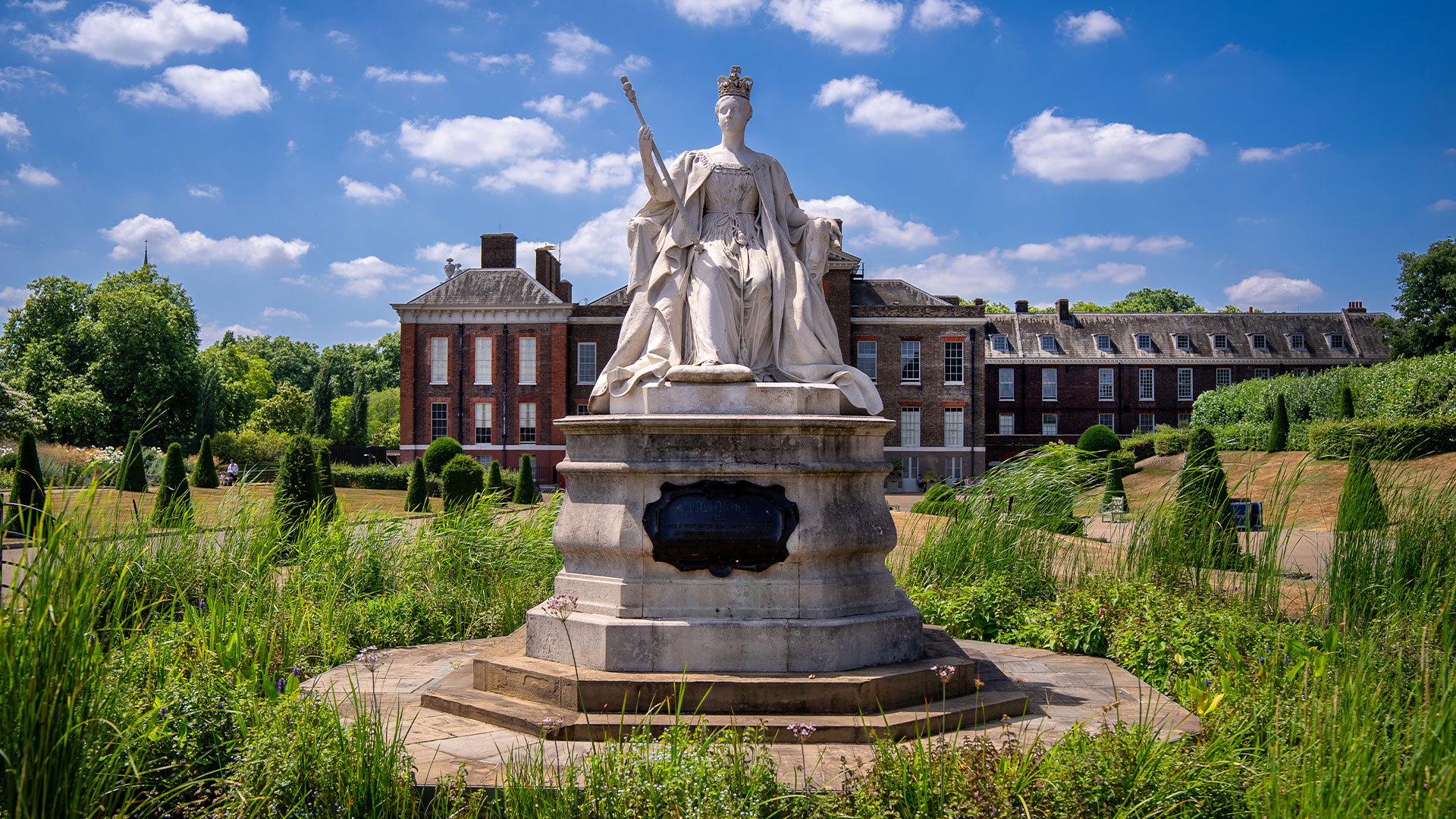
23 Hans Place
Find a blue plaque commemorating Austen’s time spent at another of her brother’s houses at 23 Hans Place (SW1X 0JY) with frequent visits in 1814 after Henry’s wife Eliza passed away, and from October to December in 1815, time during which her novel Emma was in the works while nursing Henry’s back to health.
Kensington Gardens
In Sense and Sensibility, Elinor and Marianne stay with Mrs. Jennings in Berkeley Street in Mayfair. Kensington Gardens was known to draw good society out for leisurely walks, and Elinor went along with Mrs. Jennings hoping to see Willoughby.
V&A Museum
Retrace their footsteps and stop by the V&A museum to delve into Regency London, admiring gowns from the period, as well as furniture designs and everyday objects Austen’s characters would have used in their time.
Marylebone
Another place to check out down the street is Henry’s Townhouse (24 Upper Berkeley St, W1H 7QH), a luxurious boutique hotel at the heart of Marylebone with interiors celebrating everything Jane Austen. Once owned by Jane Austen’s brother, the Georgian townhouse has been finely restored, with each of the six bedrooms named after the Austen family members.
Westminster Abbey
While Jane Austen was buried in Winchester, make sure to visit Westminster Abbey and stop by Jane’s commemorative plaque in Poet’s Corner, celebrating the author for her lasting contribution to literature.
Jane Austen and the city of Bath
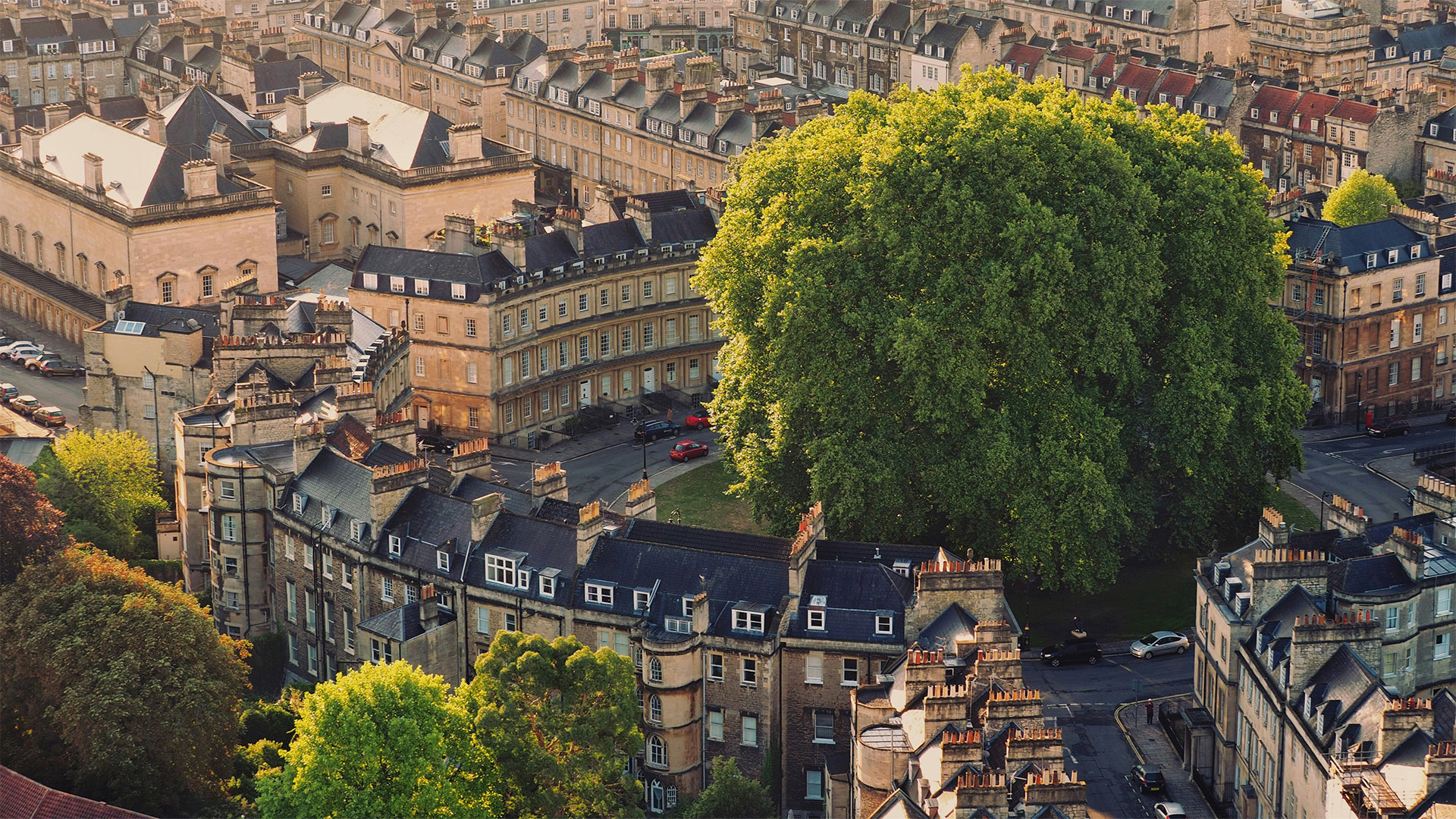
Jane Austen often visited Bath, a city that appears in two of her novels. The author also lived in Bath from 1801 until 1806 – then a thriving spa destination popular in Georgian times.
Day trips to Bath from London
Take a day trip and discover Jane Austen’s treasures in Bath, as well as the city’s heritage, through its cobbled streets, museums, galleries, and quaint boutiques.
- By Rail: Head to Paddington Station and take a day trip to Bath. Use the hop-on hop-off bus tour to stop at key locations, including the Roman Baths.
- On a coach trip: Tick off a few top UK locations on the Stonehenge and Bath day tour. Spend the morning in Bath and admire the Somerset countryside Jane and her family so dearly loved. Then, finish the day at the fascinating Stonehenge rock formation.
- Make your own way to Bath: Explore the city aboard the hop-on-hop off bus tour to guide you through the city with two different routes:
- The City Tour: Roman Baths, the Royal Crescent, the Jane Austen Centre and the Mary Shelley House of Frankenstein
- The Skyline Tour: Holburne Museum, Skyline Walk
Must-sees for Austen fans in Bath
Lose yourself in grand Georgian architecture and walk the very streets Austen once walked:
The Jane Austen CentreJane once lived at 25 Gay Street (BA1 2PD) and, while it is now a dental surgery, you can see what a Georgian household was like at the Jane Austen Centre (40 Gay Street, BA1 2NT). Take an immersive journey to follow in Jane Austen’s footsteps and even try your hand at writing with a quill, just like Jane would have back then.
Make sure to visit its Regency Tea Room and book its Mr. Darcy's Afternoon Tea. Or try out Regency delights from Lady Catherine’s Proper Cream Tea to Mrs. Bennet’s “cake of the day”.
Pulteney Bridge
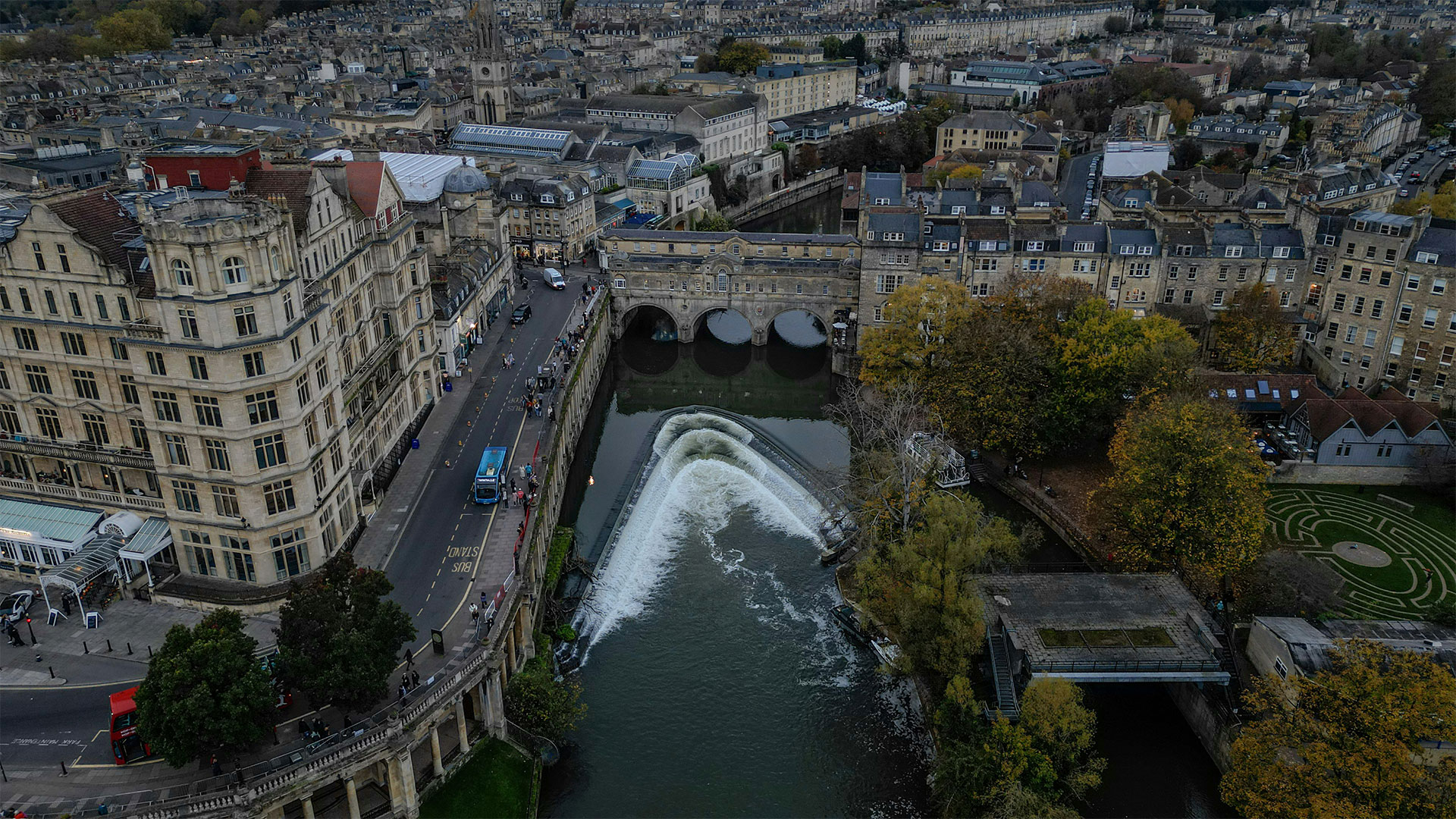
Built in 1773, Pulteney Bridge is a prime example of Georgian architecture. This beautiful romantic bridge is also one of only four in the world to have shops built across its full span and on both sides. Jane Austen lived nearby, and you can only imagine how many times she would have crossed the bridge to reach the old town.
Sydney Place
Jane lived at 4 Sydney Place (BA2 6NF), where she famously wrote Northanger Abbey that today has a commemorative plaque. The Sydney Gardens (Sydney Place, BA2 6NH) – the only remaining Georgian pleasure gardens in the UK – were known to put on great entertainment, including fireworks and concerts. Walk along the Jane Austen Trail and stop by the canal bridges and the Georgian reservoir.
No.1 Royal Crescent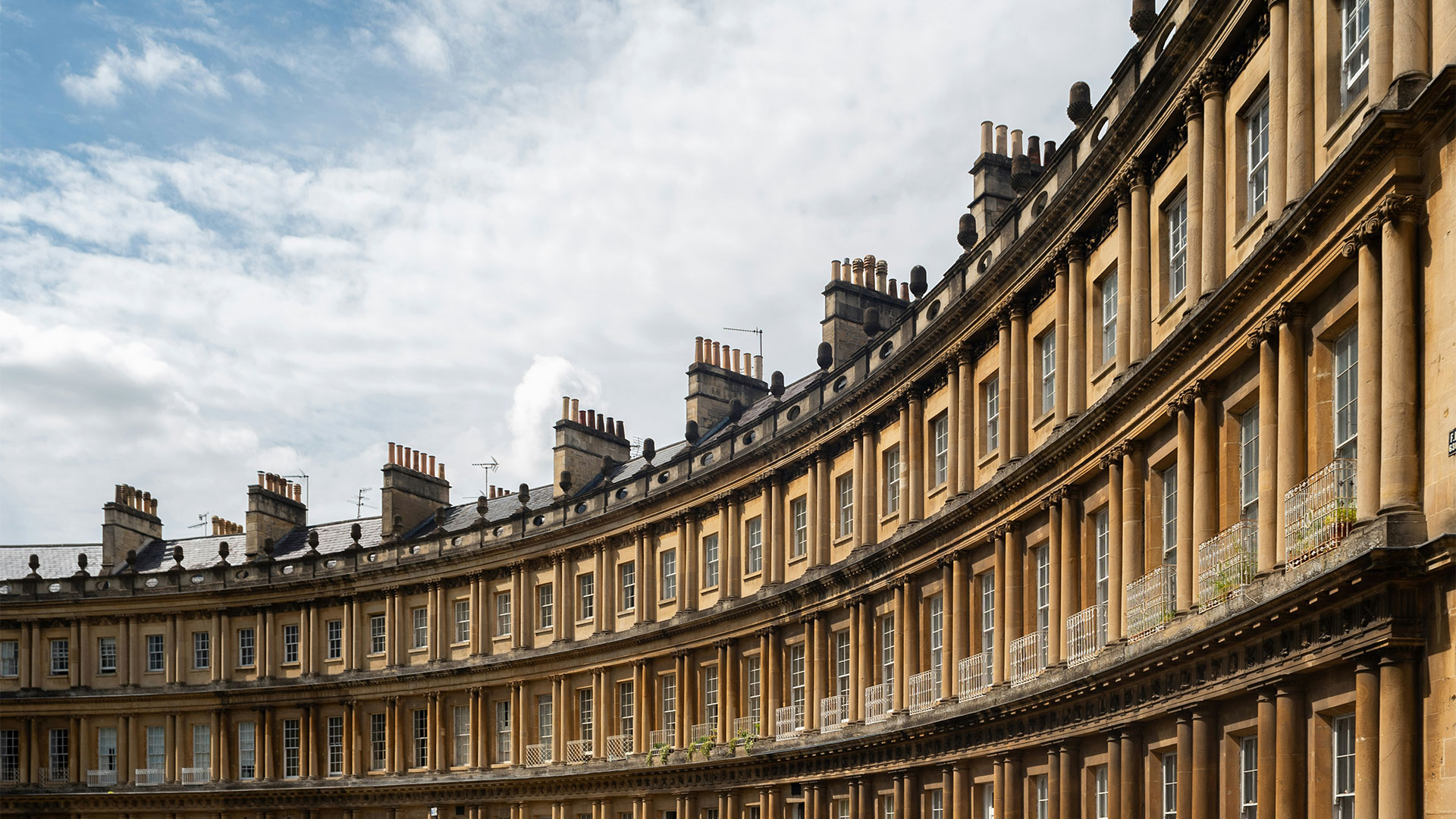
Known as Featherington’s house in Bridgerton, No.1 Royal Crescent (BA1 2LR) currently hosts the exhibition “The Most Tiresome Place in the World: Jane Austen & Bath”. While Jane Austen wrote very little while living there, scandals in the city fuelled her wit, which can be discovered in a series of letters and the one and only manuscript she wrote while in Bath.
Holburne MuseumFormerly known as the Sydney Hotel, the building is now home to Holburne Museum’s (Great Puleteney Street, BA2 4DB) outstanding collection of paintings. Until 11 January, the exhibition “Illustrating Austen” explores the artwork behind Austen’s novels, bringing beloved characters to life in a variety of styles – see illustrated editions and learn how relevant her novels still are today.
The Pump RoomsJane visited the Pump Rooms frequently, attending afternoon teas and balls. Back then, it was fashionable to holiday in Bath and benefit from the spa’s mineral properties. Find the King’s spring water fountain, where you can sample a glass of thermal water. Today, the Pump Rooms (Stall Street, BA1 1LZ), with its grand interiors, is still one of top places in Bath to have afternoon tea while listening to classical music played by the Pump Room Trio.
Try out the famous Bath BunJane was particularly fond of a specific sweet treat: the Bath Bun, a pastry similar to a brioche covered with butter, crushed sugar and candied fruit. The Sally Lunn Bun (4 N Parade Passage, BA1 1NX) became a popular breakfast stapple in the 17th century, with a recipe still secretly guarded today.
Or head to The Bath Bun Teashoppe (2a Abbey Green, BA1 1NW), where you can enjoy Bath’s namesake bun in a traditional tearoom atmosphere that feels straight out of Austen’s time.
Two and a half centuries later, Jane Austen’s stories continue to fascinate us. In London, you can visit the places she frequented during her many visits, from her former residence in Covent Garden to her commemorative plaque in Westminster Abbey. Why not also explore the capital’s best libraries before catching an Austen-inspired theatre production? For the full Regency experience, take a day trip to Bath and explore the Georgian architecture, museums, and tearooms that inspired her novels.