Nature Reserves and Woodlands in London

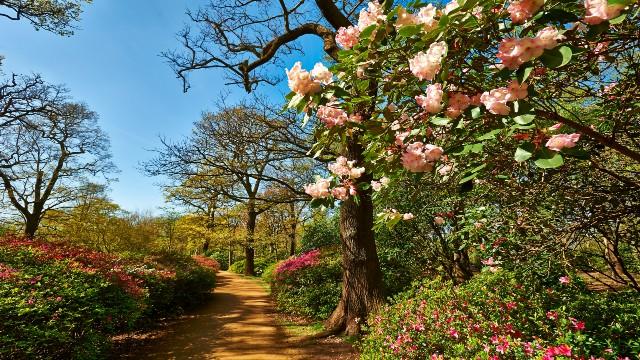
London is more than an urban metropolis. It also has a large amount of green space and much of this is important for plants, wildlife and people.

Over 300 species of birds and 1,500 species of plants thrive in a variety of wild habitats. Within the capital there are urban wetlands, chalk grasslands and ancient woodlands.

Wetlands

The London Wetland Centre was the first project of its kind in the world. With more than 40 hectares of wetland habitat it was created from old reservoirs, and is a Site of Special Scientific Interest (SSSI). The centre has a number of hides from which you can view the rare and beautiful wetland wildlife.

The Royal Society for the Protection of Birds (RSPB) will soon have a wetland reserve close to Central London. Rainham Marsh and the surrounding land is now the largest remaining expanse of wetland bordering the upper reaches of the Thames Estuary. Its long use as a shooting range means that much of the original medieval land-form and marshland wildlife has survived.

Local Nature Reserves

Other agencies manage many smaller sites in London. Local Nature Reserves (LNRs) are special places for both people and wildlife. They are of interest on a local level for the quiet green space they provide and the wildlife they support.

There are 106 LNRs in London registered with English Nature. These include regenerated areas of post-industrial land and areas of ancient landscape. Camley Street Natural Park behind King's Cross station on the banks of Regent's Canal is one such reserve. In South London the Great North Wood once stretched from Deptford to Selhurst. The largest remaining tract of this wood is at Sydenham Hill.

These two reserves are under the management of the London Wildlife Trust (LWT). It looks after more than 30 sites around London. Most are regularly open to the public. They include sites like the Centre for Wildlife Gardening, which has facilities to make your visit educational as well as recreational.

The LWT has recently acquired the area around Salt Box Hill in Bromley. Not far from Charles Darwin's home at Down House, this is an area of chalk grassland designated an SSSI and home to many specialised and increasingly rare butterflies like the chalkhill blue and grizzled skipper.

Sites of Special Scientific Interest

Although on the north eastern outskirts of London, Epping Forest belongs to the City of London. It is the largest public open space in London and much of it is designated an SSSI.

To the south west is Richmond Park, managed by the Royal Parks. It is also an SSSI and a National Nature Reserve. Both parks provide plenty of mature woodland as well as other habitats for visitors and the resident wildlife to enjoy.

Rare Species

You can see a number of nationally rare species in London. Bitterns have visited the London Wetland Centre and Lee Valley Park regularly over recent winters and each summer brings black redstarts to brownfield sites in London.

Britain's largest insect, the stag beetle, is scarce in many parts of the country but thriving in London. More humble creatures like the German hairy snail are also to be found on Walthamstow Marshes and along the Thames at Isleworth.

The Thames is also a rich resource for wildlife and provides occasional surprise as well - such as the northern bottle-nosed whale that became stranded in the river in January 2006. Unfortunately the whale didn't survive, but its presence and the ensuing rescue attempt captivated audiences around the world.

So keep your eyes and ears open and enjoy the many places where people and wildlife live side by side within the city.


Questions About Nature Reserves and Woodlands in London

powered by Yedda
  • Platinum Partner
    West End  Shop
  • Platinum Partner
    Chelsea Football Club
  • Platinum Partner
    Wembley Stadium
  • Platinum Partner
    Merlin  Entertainments