

London is a treasure trove for culture lovers, packed with more than 190 museums* – more than in any other city in the world. From renowned history museums to hidden Roman relics, many of the biggest and best museums in the capital are completely free to wander, giving you access to extraordinary collections.
This guide brings together Visit London favourites and plenty of first‑hand exploring to spotlight the very best free museums across the city, so you can quickly find the places that match your interests and make the most of your visit.
How we chose the best free museums in London:
- First‑hand insight from the Visit London team
- Museums with global significance and strong permanent collections
- High visitor appeal and consistent public enthusiasm
- Deep specialist expertise across the collection
- A great overall visitor experience
Best free museums in London (Visit London’s top picks)
V&A South Kensington – best free museum for global art and design
Nearest Tube: South Kensington (Piccadilly and Circle and District lines)
When: Permanent galleries include Architecture, Cast Courts, Fashion, Medieval & Renaissance and Portrait Miniatures. These run alongside a changing programme of paid exhibitions, be sure to check before you visit.
Duration: Two to three hours
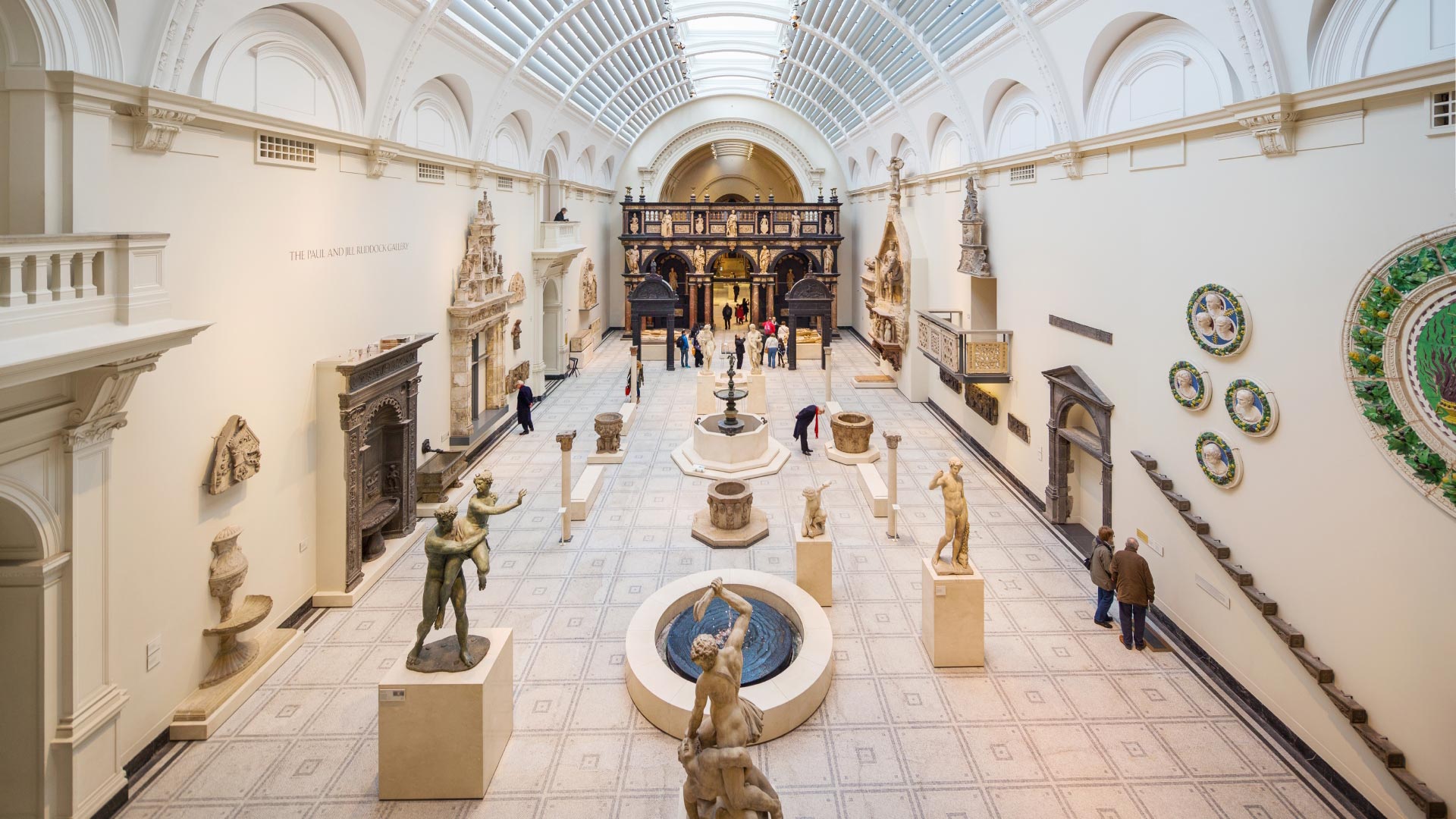
A celebration of design and creativity in all its forms, V&A South Kensington is the world’s largest museum of decorative arts and design. Its vast collections span 5,000 years of human history, from fashion and ceramics to furniture, architecture and jewellery.
The museum is impressively large, so start by choosing a few galleries and let yourself wander when something catches your eye. Standout stops include 18th and 19th‑century dresses in the Fashion Gallery, the Great Bed of Ware, more than 3,000 pieces in the Jewellery Gallery, the dramatic Cast Courts and sculpture by Rodin and Canova.
Best for: Culture seekers, art and design lovers
Good to know: The museum’s free daily tours are a great way to get your bearings. The V&A also sits in the middle of South Kensington’s Museum Quarter, so you can easily stroll to the Natural History Museum and the Science Museum in just a few minutes – all free to enter!
National Gallery – best free art museum for acclaimed masterpieces

Nearest Tube: Charing Cross (Bakerloo line)
When: Permanent collections include 13th to 15th century, 16th century, 17th century and 18th to early 20th century. These run alongside a changing programme of paid exhibitions, be sure to check before you visit.
Duration: Two to three hours
Explore one of the world’s great collections of fine art at the National Gallery, home to more than 2,000 paintings spanning the Middle Ages to the 20th century. Welcoming millions of visitors each year, it’s the perfect place to dive into Europe’s artistic heritage.
Admire masterpieces by Da Vinci, Van Gogh, Titian, Rembrandt and Turner, and seek out highlights such as Van Gogh’s Sunflowers, Constable’s The Hay Wain and Artemisia Gentileschi’s Self Portrait as Saint Catherine of Alexandria. Take a break at one of the gallery’s five eateries, offering everything from quick coffees to refined dining. For a sit‑down meal, Ochre Brasserie and Locatelli both offer a fine-dining experience.
Best for: First-time art museum visitors, classic art fans, masterpiece seekers
Good to know: If you love podcasts, download the National Gallery Podcast for extra insight into the artworks on display. For a deeper dive with hand‑picked highlights, join the National Gallery Highlights Tour led by a gallery‑approved Blue Badge Guide.
Tate Modern – best free art museum for modern and contemporary art
Nearest Tube: Blackfriars (Circle and District lines)
When: Permanent galleries include Artist and Society, Media Networks and Materials and Objects. These run alongside a changing programme of paid exhibitions, be sure to check before you visit.
Duration: Around two hours
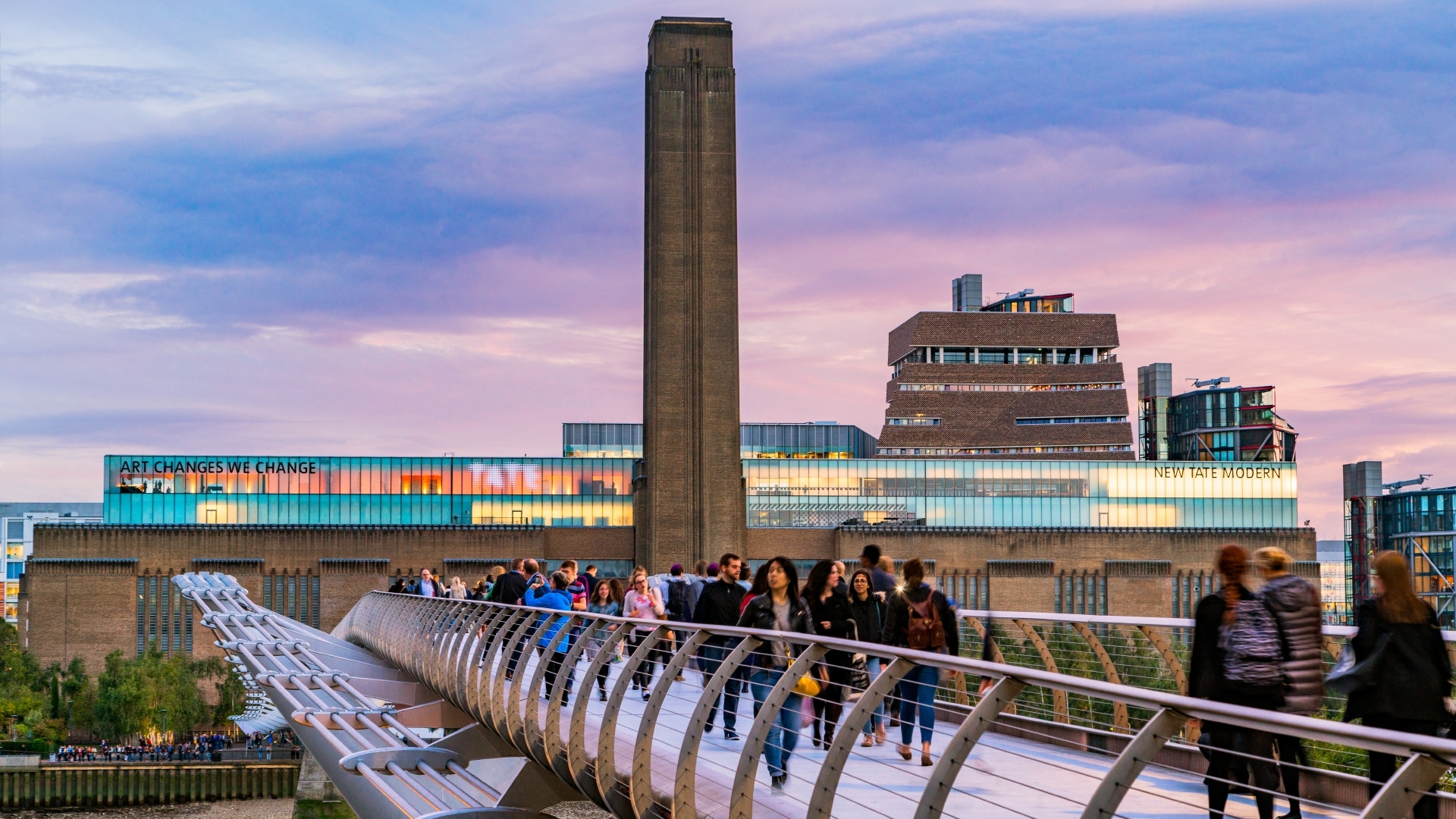
See the iconic power station turned world‑class art gallery, where you’ll find modern and contemporary works from around the globe. Many visitors come for the latest large‑scale Turbine Hall installation, uniquely vibrant exhibitions and must‑see solo shows.
Tate Modern’s permanent collection is notably varied, spanning major movements and artists. The thematic layout, organised by artist, idea or colour, leads you through sculpture, photography, interactive displays and paintings. Along the way, you’ll encounter standout works by Picasso, Duchamp, Warhol, Matisse and Kusama.
Best for: Modern art fans, architecture enthusiasts
Good to know: Head to the Level 9 cafe in the Blavatnik Building and step onto the viewing platform for sweeping, open‑air panoramas of London’s skyline – it’s one of the best free views in the city!
Tate Britain – best free art museum for British art

Nearest Tube: Pimlico (Victoria line)
When: Permanent collections include Historic British Art (1500s–1800s), The Turner Collection and Modern British Art (1900s). These run alongside a changing programme of paid exhibitions, be sure to check before you visit.
Duration: Around two hours
Discover some of the best of British art from 1500 to today at Tate Britain, featuring the world’s largest collection of British art, including the most extensive holdings of works by J.M.W. Turner.
Follow the walk‑through British art rooms, where the displays are arranged chronologically by era and feature everything from Pre‑Raphaelites and 20th‑century art to pop art, sculpture and historic artefacts. Highlights include masterpieces by Turner, John Constable and John Everett Millais, alongside outstanding modern and contemporary works by Francis Bacon, Lucian Freud, David Hockney and Bridget Riley.
Best for: Art history lovers, Turner enthusiasts, classical gallery fans
Good to know: For the full Tate experience, hop on the Tate Boat to travel between Tate Britain and Tate Modern. A Tate to Tate tour is also available, including a guided morning at Tate Britain, a river journey between the galleries and a guided tour of Tate Modern in the afternoon.
Queen’s House – best free art museum for royal art

Nearest Tube: Cutty Sark (DLR)
When: Permanent collections include Timekeeping, Fine art, Historic Photographs, Ship models and Decorative arts.
Duration: One to two hours
Rare Greenwich works await inside the architecturally significant Queen’s House, once home to royalty and now renowned for its exceptional art collection, featuring masters such as Canaletto, Rembrandt and Gainsborough.
Step into Inigo Jones’ elegant design and take in its perfectly balanced classical style. At the heart of the House is the Great Hall, a perfect cube crowned with Richard Wright’s delicate gold‑leaf ceiling fresco. Among the collection’s standout pieces is the unique Armada Portrait of Elizabeth I, commemorating England’s triumph over the Spanish Armada in 1588. Pair your visit with the Royal Observatory, the National Maritime Museum and Cutty Sark to make the most of your time exploring Greenwich.
Best for: Royal portraiture fans, architecture enthusiasts
Good to know: Head to the north‑west corner to find the striking Tulip Stairs, an Insta‑worthy spot and remarkably the first geometric self‑supporting spiral staircase in Britain.
The Wallace Collection – best free art museum for European art
Nearest Tube: Bond Street (Central, Jubilee and Elizabeth lines)
When: Permanent collections include Dutch Masters, 18th-century French art, Arms and Armour and Porcelain and Ceramics. These run alongside a changing programme of paid exhibitions, be sure to check before you visit.
Duration: One to two hours
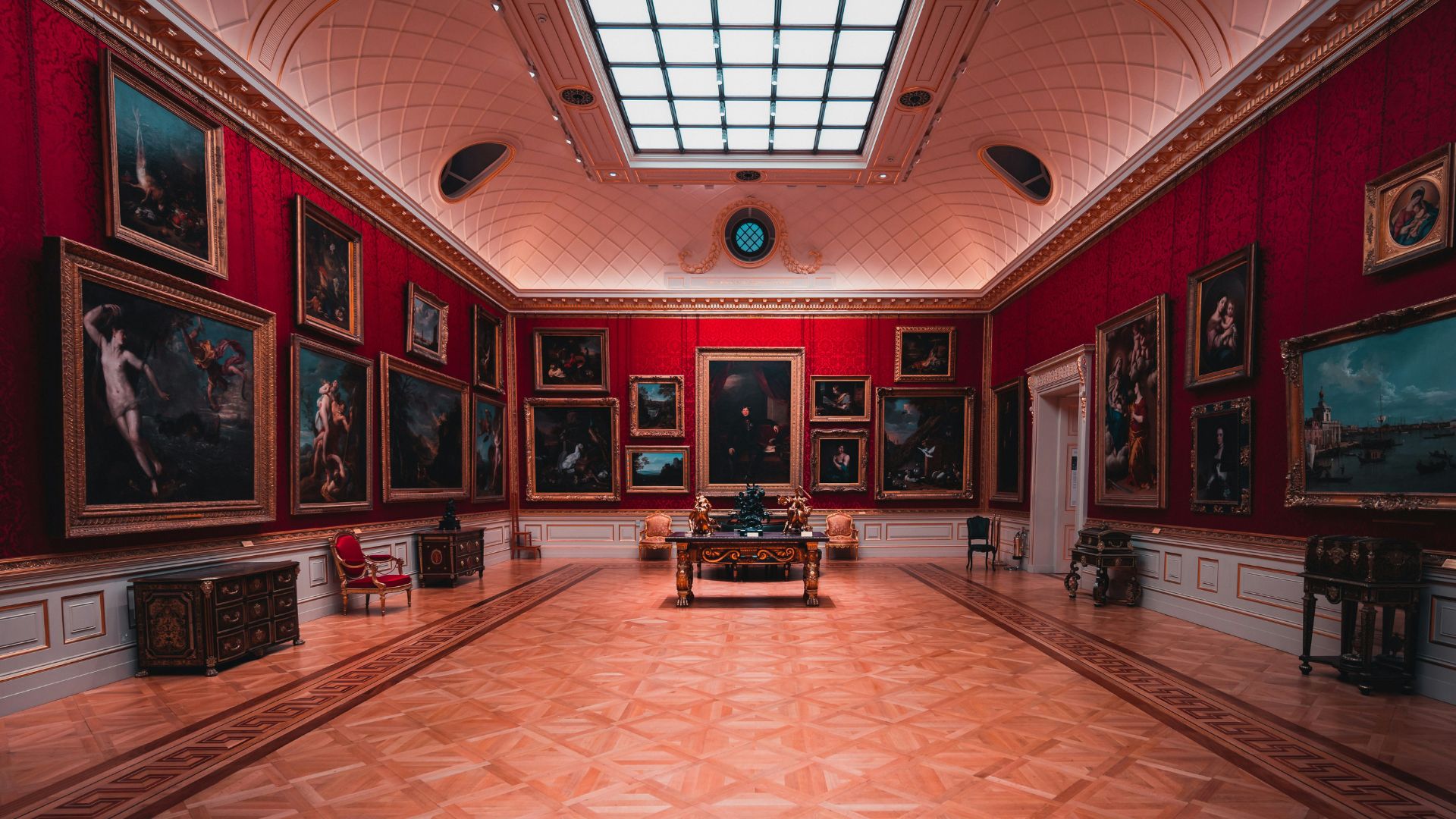
The Wallace Collection brings together Old Master paintings, dazzling decorative arts and one of the world’s finest armouries, all displayed across 28 rooms styled with exquisite 18th‑century French interiors. Built from the 18th and 19th century acquisitions of the Marquesses of Hertford and Sir Richard Wallace, it remains a rare “closed” collection, where nothing can be added or removed.
You can explore works by Rembrandt, Frans Hals, Velázquez, Titian and Canaletto throughout the atmospheric galleries, with standout pieces including Rubens’ The Rainbow Landscape, Hals’ The Laughing Cavalier and Rembrandt’s tender portrait of his son, Titus.
Best for: Fine art enthusiasts, history lovers
Good to know: Grab a bite in the Wallace Collection’s beautiful glazed‑roof courtyard restaurant. Run by Peyton and Byrne, this French‑style brasserie is one of London’s prettiest museum cafes, and it’s an especially lovely spot for afternoon tea.
Natural History Museum – best free museum for exploring the natural world
Nearest Tube: South Kensington (Piccadilly and Circle and District lines)
When: Permanent galleries include Dinosaurs, Human Evolution, Birds, Earth Hall and Earth Sciences and Minerals, Gems and Meteorites. These run alongside a changing programme of paid exhibitions, be sure to check before you visit.
Duration: Three to four hours
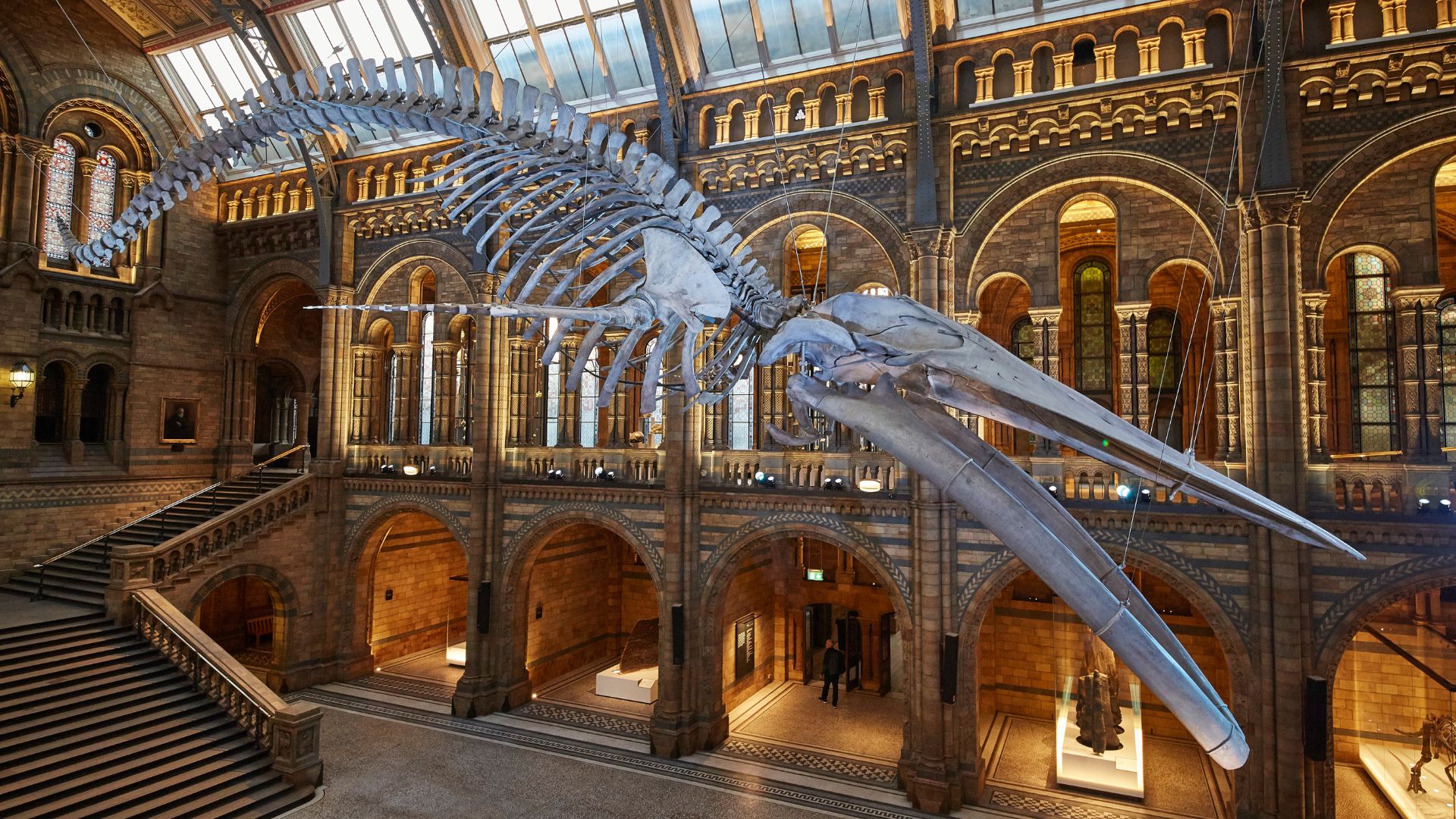
For many visitors, the Natural History Museum is a true highlight – especially if you’re travelling with children. Its galleries take you deep into the story of our planet, showcasing extraordinary treasures from a collection of more than 80 million objects spanning 4.5 billion years.
You’ll encounter everything from glittering gems and minerals to fragments of moon rock, exotic plant specimens and even an earthquake simulator. Don’t miss Hope, the vast blue whale skeleton in Hintze Hall, the world‑famous Dinosaurs gallery filled with remarkable fossils, and the meteorites from outer space displayed in the Vault. The museum accepts walk‑in visitors, but booking a free ticket online is highly recommended to guarantee entry.
Best for: Science and nature lovers, photography fans, dinosaur‑obsessed kids
Good to know: The museum can get incredibly busy during summer weekends and school holidays, so visiting at off‑peak times makes for a much calmer experience. The main entrance often has the longest queues. If you want to avoid them, use the side entrance, which is usually much quicker, especially on weekdays.
Science Museum – best free museum for interactive learning
Nearest Tube: South Kensington (Piccadilly and Circle and District lines)
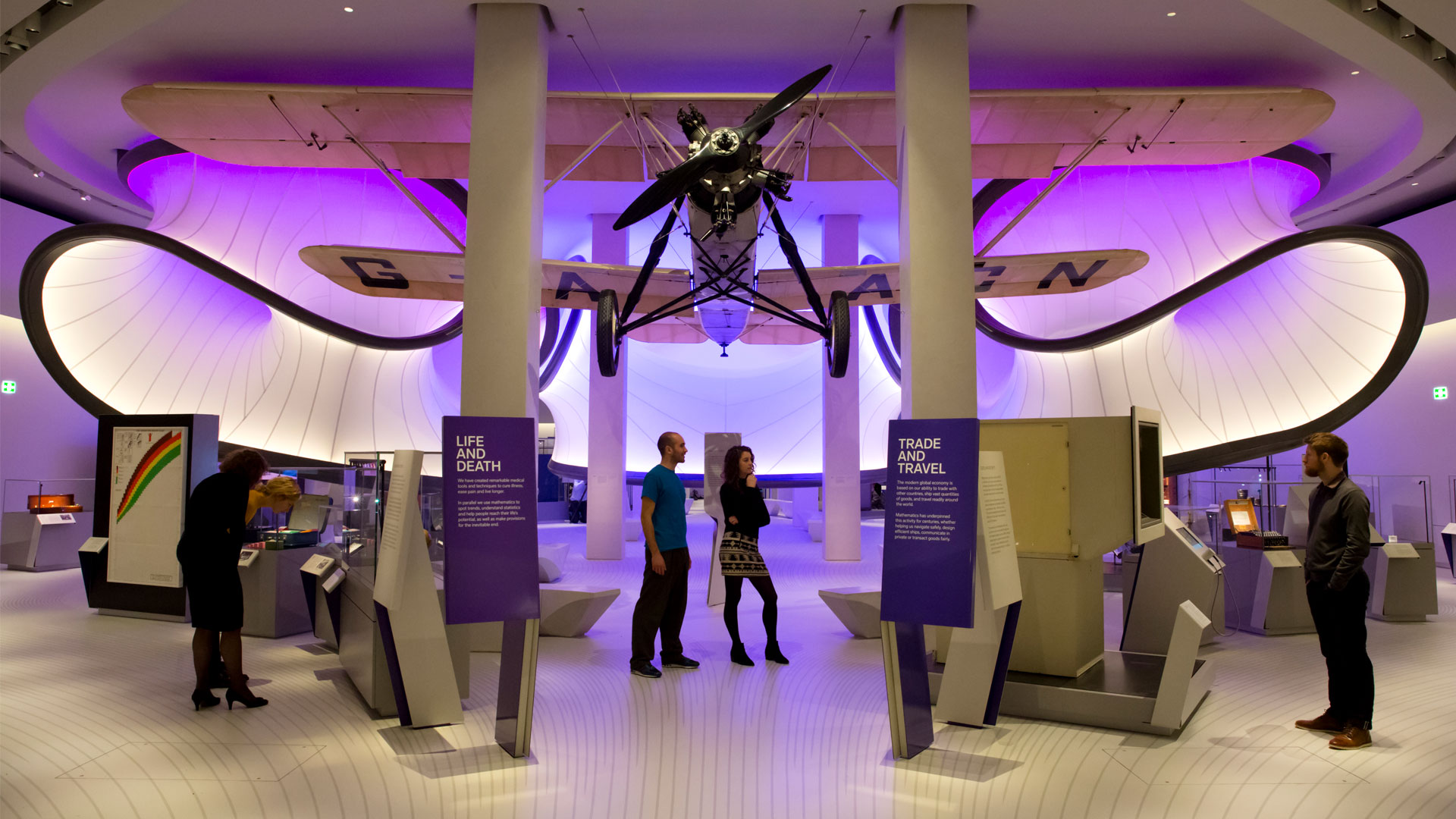
When: Permanent galleries include Space, Medicine: The Wellcome Galleries, Mathematics: The Winton Gallery, and Making the Modern World. These run alongside a changing programme of paid exhibitions, be sure to check before you visit.
Duration: Around two hours
Experience the wonders of science first-hand at the Science Museum, where interactive displays and multi‑sensory zones invite families to explore science through play. With more than 15,000 objects on show, the permanent collection features standout exhibits including Amy Johnson’s Gipsy Moth plane.
You can dive into hands‑on galleries, follow the story of major scientific breakthroughs, and catch an immersive film at the in‑house IMAX 3D cinema. The paid‑for Power Up zone on the lower ground floor offers everything from retro consoles to the latest VR, making it a lively spot for families to race Mario Karts together.
Best for: Curious minds, innovation enthusiasts, engineering thinkers
Good to know: There’s a great gift shop on the ground floor with a wide range of fun, educational and interactive games, toys and collectible items – perfect for kids and grown‑ups alike!
London Museum Docklands – best free museum for uncovering London’s river story
Nearest Tube: West India Quay (DLR)
When: Permanent galleries include Trade Expansion: 1600-1800, London, Sugar & Slavery, Sailortown and The Great Port. These run alongside a changing programme of paid exhibitions, be sure to check before you visit.
Duration: Two to three hours
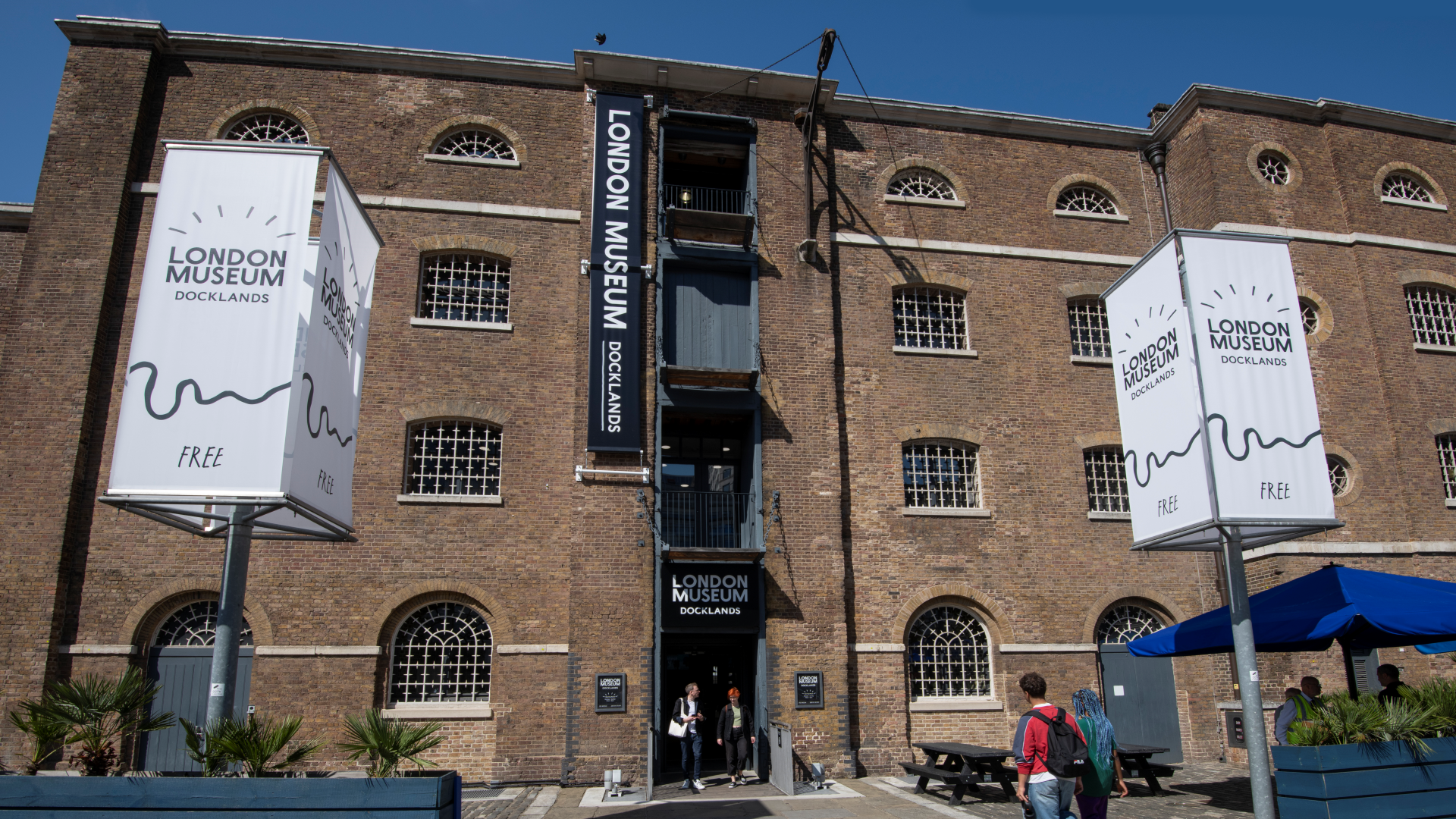
Discover London’s river, port and people inside a Grade I-listed warehouse where the city’s maritime past comes vividly to life. London Museum Docklands traces the Thames’ role in shaping London, from global trade and cultural exchange to the resilience of dockside communities during wartime, offering an atmospheric journey through the East End’s history.
Wander through the powerful Sugar and Slavery gallery, step into the shadowy alleyways of Victorian Sailortown, and watch the docks evolve from bustling industry to modern regeneration. The Mudlarks family gallery offers an interactive play space where children can explore river and dock themes, with booking required and a small ticket fee.
Best for: Maritime enthusiasts, hands-on learners
Good to know: The museum is arranged across three main floors, with visitors starting at the top and working their way down chronologically. It involves a fair bit of moving between levels, so comfortable shoes make the experience much easier.
Young V&A – best free museum for young creatives
Nearest Tube: Bethnal Green (Central line)
When: Permanent galleries include the Play Gallery, Imagine Gallery and Design Gallery. These run alongside a changing programme of paid exhibitions, be sure to check before you visit.
Duration: Around two hours
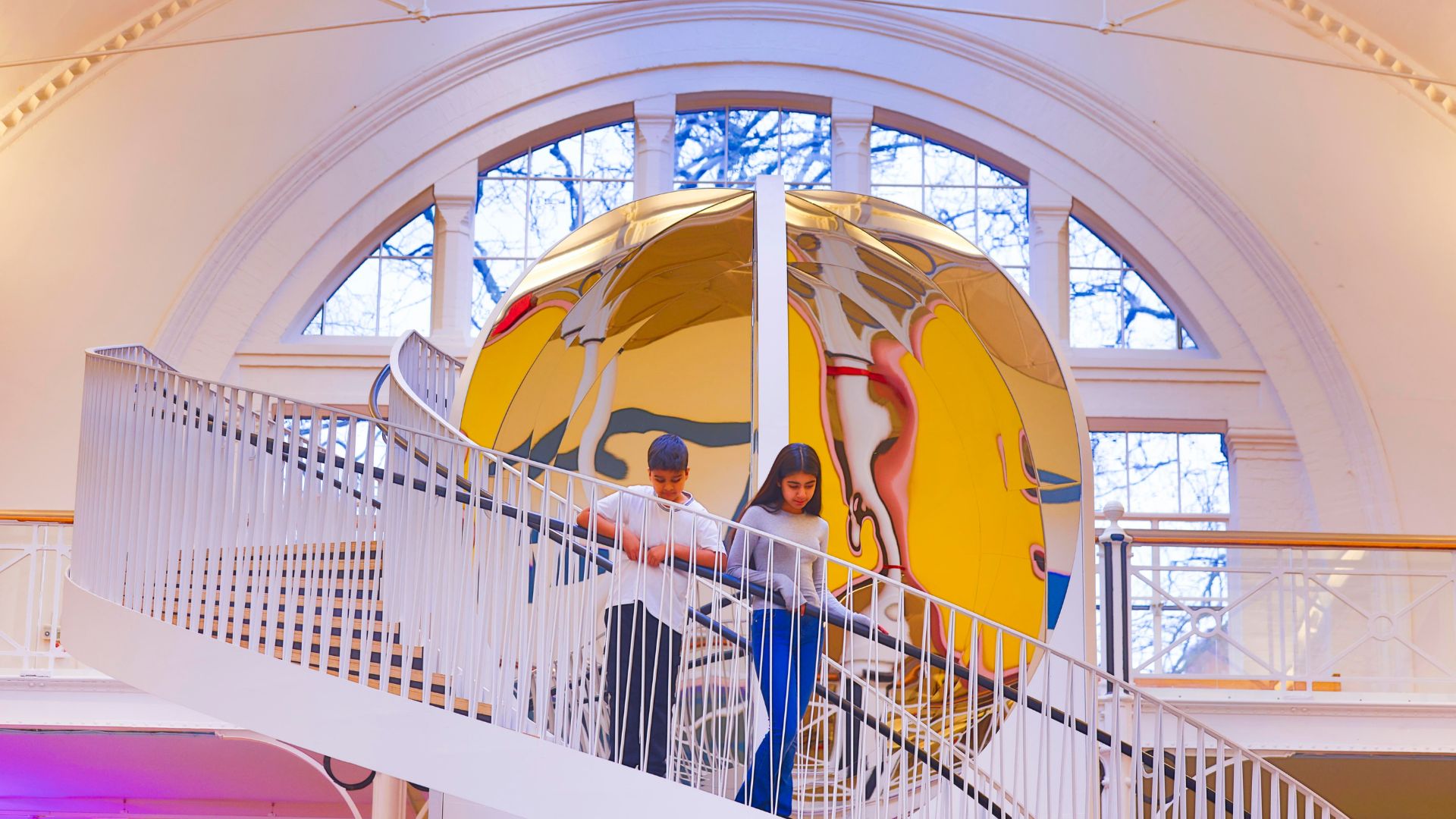
Check out east London’s Young V&A, a vibrant museum co‑designed with children and young people. Created specifically for ages 0 to14, it invites them to spark their imagination across three lively galleries – Imagine, Play and Design – each built around the ways children explore, create and express themselves.
As the “younger sibling” of the Victoria and Albert Museum, it’s packed with hands‑on activities, from interactive displays and drop‑in workshops to an Open Studio for making and experimenting. Children can even take to the amphitheatre‑style stage to try out their performance skills. Arrive early in the day if you can – the museum’s interactive spaces fill up quickly.
Best for: Creative minds, art and design lovers, stars-in-the-making
Good to know: Pushchairs aren’t allowed inside the main galleries, but there’s a buggy park near the entrance, so it’s worth arriving a few minutes early to drop yours off.
British Museum – best free museum for world history
Nearest Tube: Tottenham Court Road (Central and Northern lines)
When: Permanent galleries include Americas, Ancient Egypt, Ancient Greece and Rome, Asia and Middle East. These run alongside a changing programme of paid exhibitions, be sure to check before you visit.
Duration: Two to three hours
Retrace the history of humankind through the British Museum’s remarkable global collection of artefacts. Founded in 1753, it’s now one of the world’s most visited museums, home to a permanent collection that spans over two million years – from ancient Egypt and Greece to the cultures of Asia, Africa and the Americas.
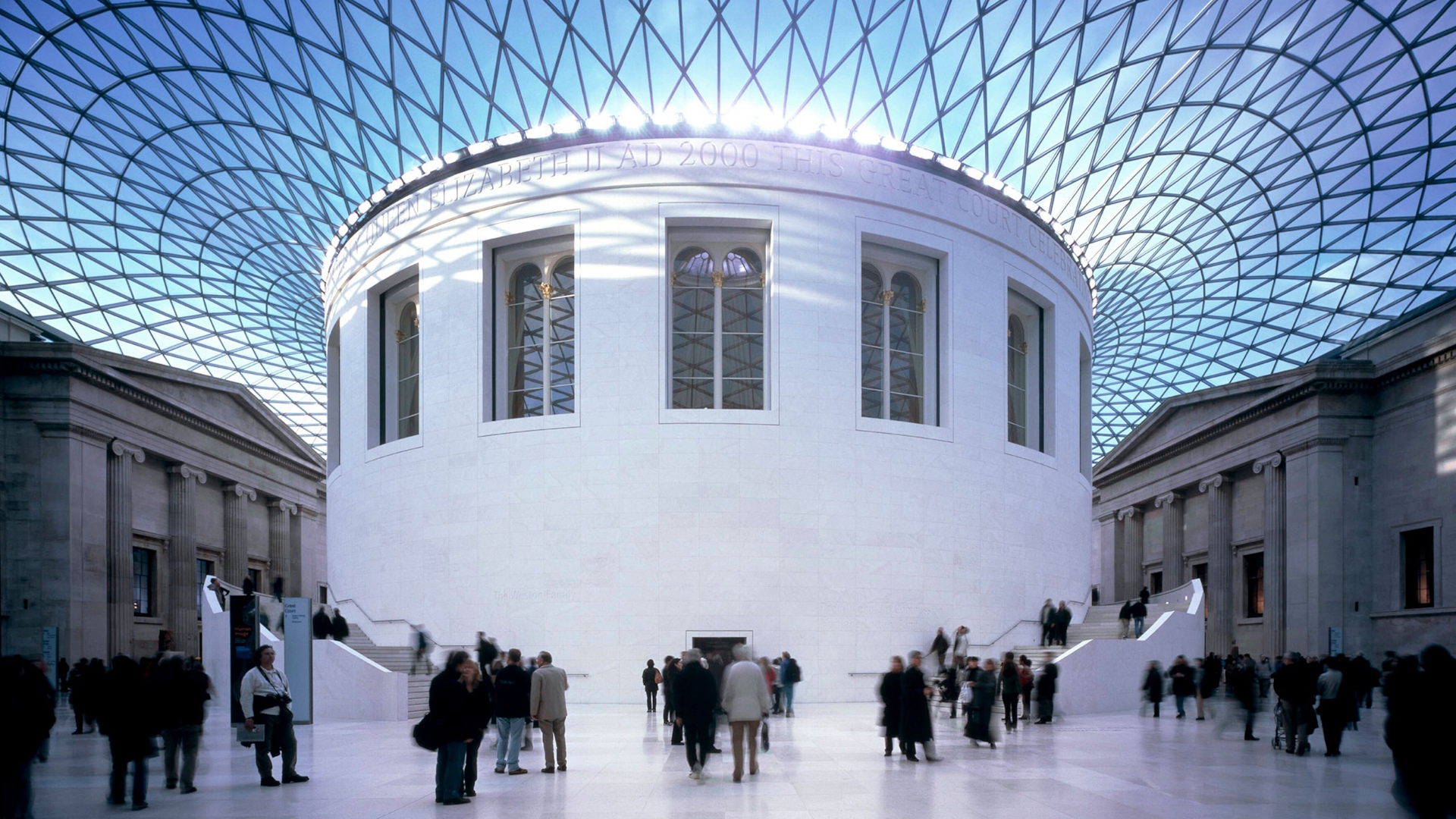
Explore more than 60 free galleries arranged around the museum’s vast central courtyard. Highlights include the Rosetta Stone, the Parthenon sculptures and the Egyptian mummies. Book a free timed entry ticket in advance to guarantee entry. When you’re ready to unwind, take a seat beneath the Great Court’s striking glass roof and enjoy afternoon tea at the Great Court Restaurant.
Best for: History enthusiasts, first-time visitors
Good to know: Join a two‑hour British Museum guided tour to see the standout pieces and get a closer look at key exhibits from around the world, all led by an expert who knows the collection inside out.
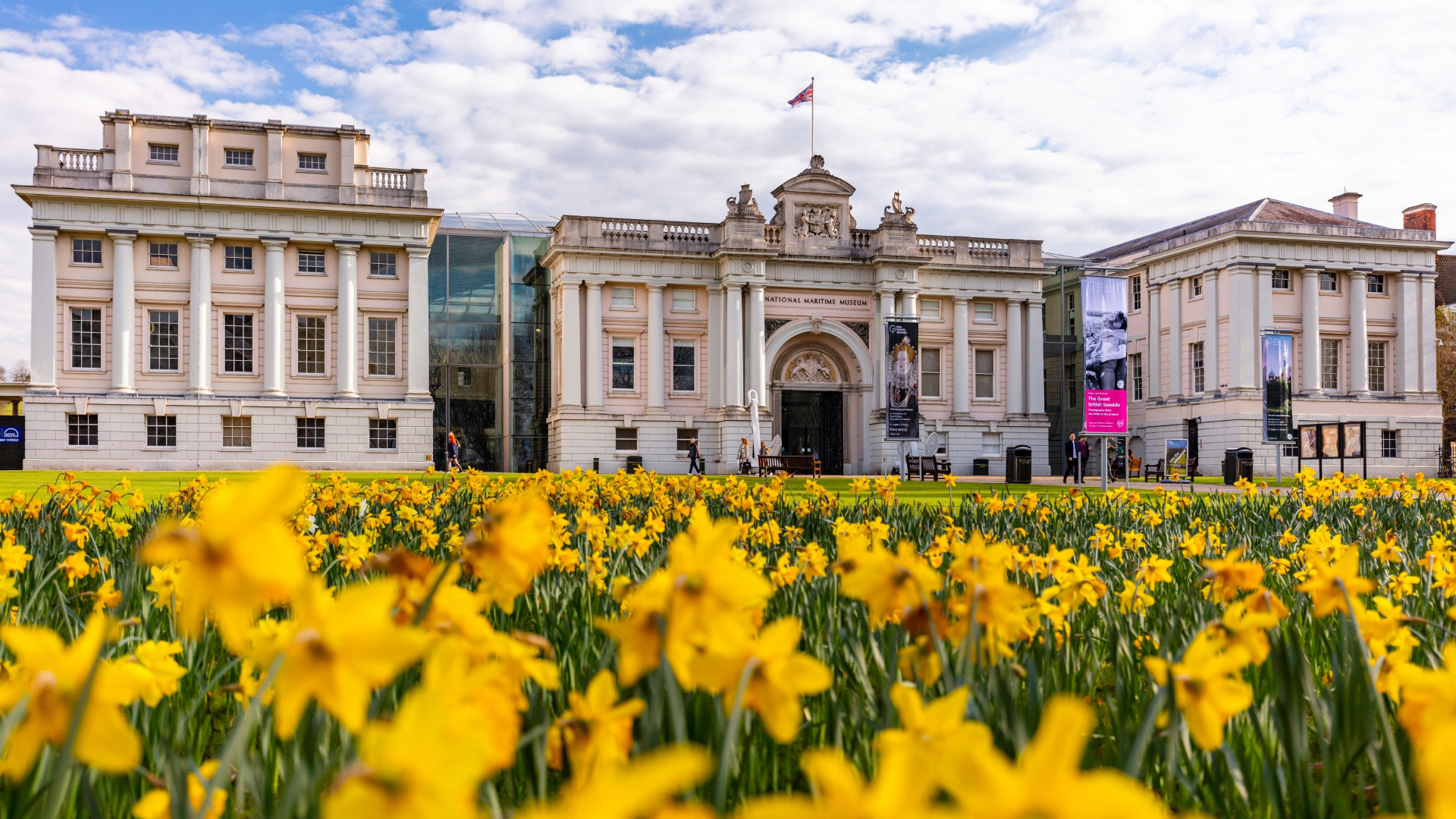
National Maritime Museum – best free museum for maritime history
Nearest Tube: Cutty Sark (DLR)
When: Permanent galleries include Ocean Court, Maritime London, Sea Things, Polar Worlds and Atlantic Worlds. These run alongside a changing programme of paid exhibitions, be sure to check before you visit.
Duration: Two to three hours
Set in historic maritime Greenwich, the National Maritime Museum showcases Britain’s naval history, from dramatic sea battles to exploratory expeditions. With more than two million objects, including artefacts, maps, ship models and maritime memorabilia, the museum’s galleries reflect the scale and depth of Britain’s maritime story.
Don’t miss the iconic uniform Nelson wore on the day of the Battle of Trafalgar, a highlight that anchors the museum’s naval narrative. The Tudor and Stuart Seafarers gallery explores the lives of ordinary seamen alongside well‑known figures such as Christopher Columbus, Elizabeth I, and Francis Drake, bringing the era’s global ambitions and personalities to life.
Best for: Naval history fans, exploration enthusiasts, interactive learners
Good to know: The museum has plenty of dedicated spaces for children, including the Ahoy! Gallery for younger visitors and the All Hands Interactive Gallery for older ones. At the centre of the museum you’ll also find the Great Map, a huge floor‑sized atlas where both children and adults can explore its interactive surface.
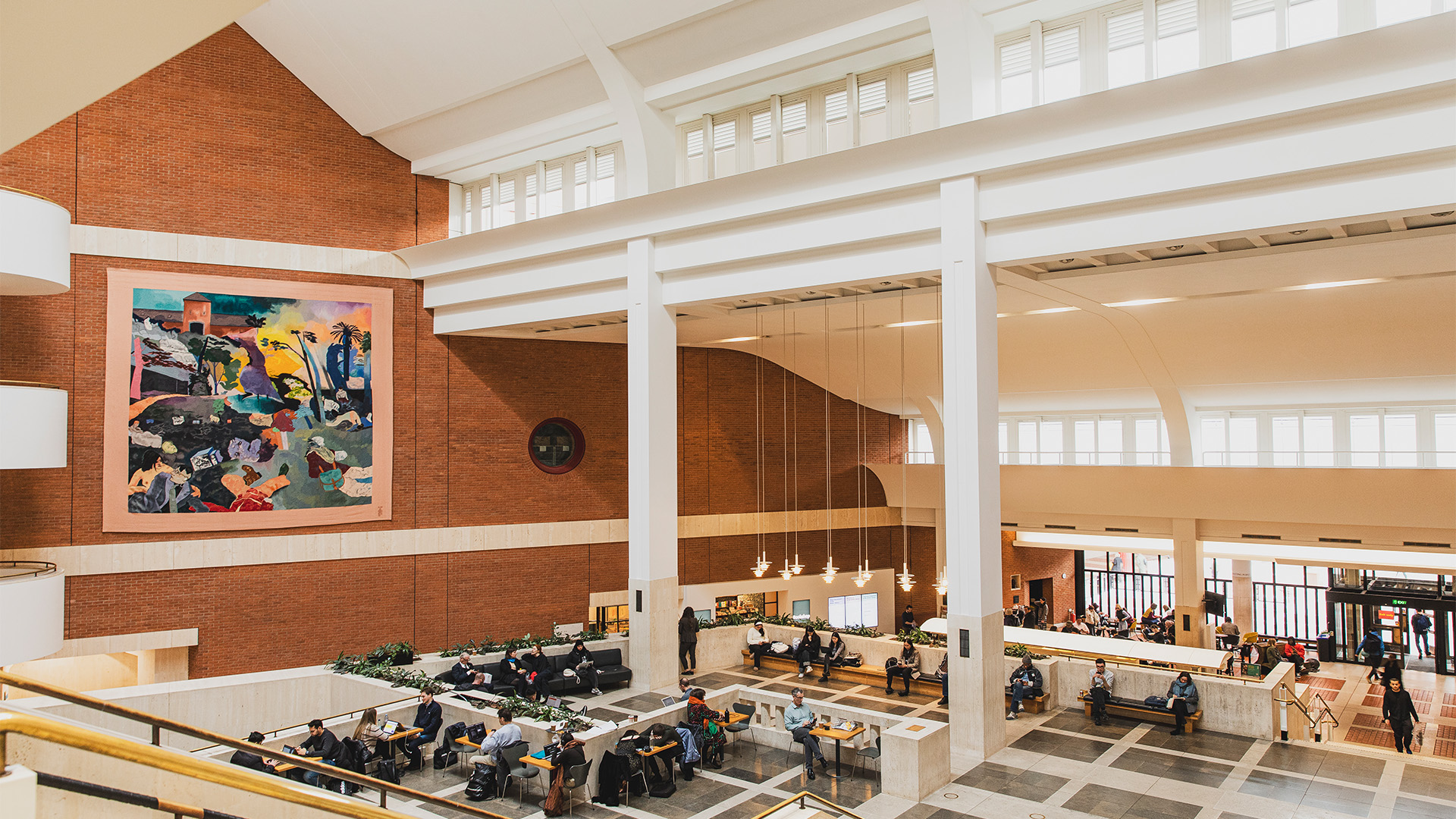
British Library – best free museum for literary treasures
Nearest Tube: King’s Cross St Pancras (Circle, Hammersmith & City, Metropolitan, Northern, Piccadilly, and Victoria lines)
When: Permanent galleries include Books and Printed Works, Manuscripts, Sound and Audio Archives and Photographs and visual materials. These run alongside a changing programme of paid exhibitions, be sure to check before you visit.
Duration: One to two hours
Delve into some of the world’s most important literary treasures at the British Library, the UK’s national library and a remarkable free museum. Its vast collection spans more than 170 million items, from the Magna Carta to Jane Austen’s notebooks and handwritten Beatles lyrics.
Marvel at historic manuscripts, glimpse Shakespeare’s First Folio and explore a rich programme of free exhibitions. The Treasures Gallery is a real highlight – a permanent showcase of extraordinary books, maps and manuscripts, including Leonardo da Vinci’s notebooks and letters by Ada Lovelace.
Best for: Culture seekers, literature fans, history enthusiasts
Good to know: Head down to the lower ground floor and slip into the Sound Gallery, a quiet corner with listening booths where you can explore standout recordings from the Library’s vast audio collection. A favourite are the immersive nature recordings, from nocturnal crustaceans to the calls of whales.
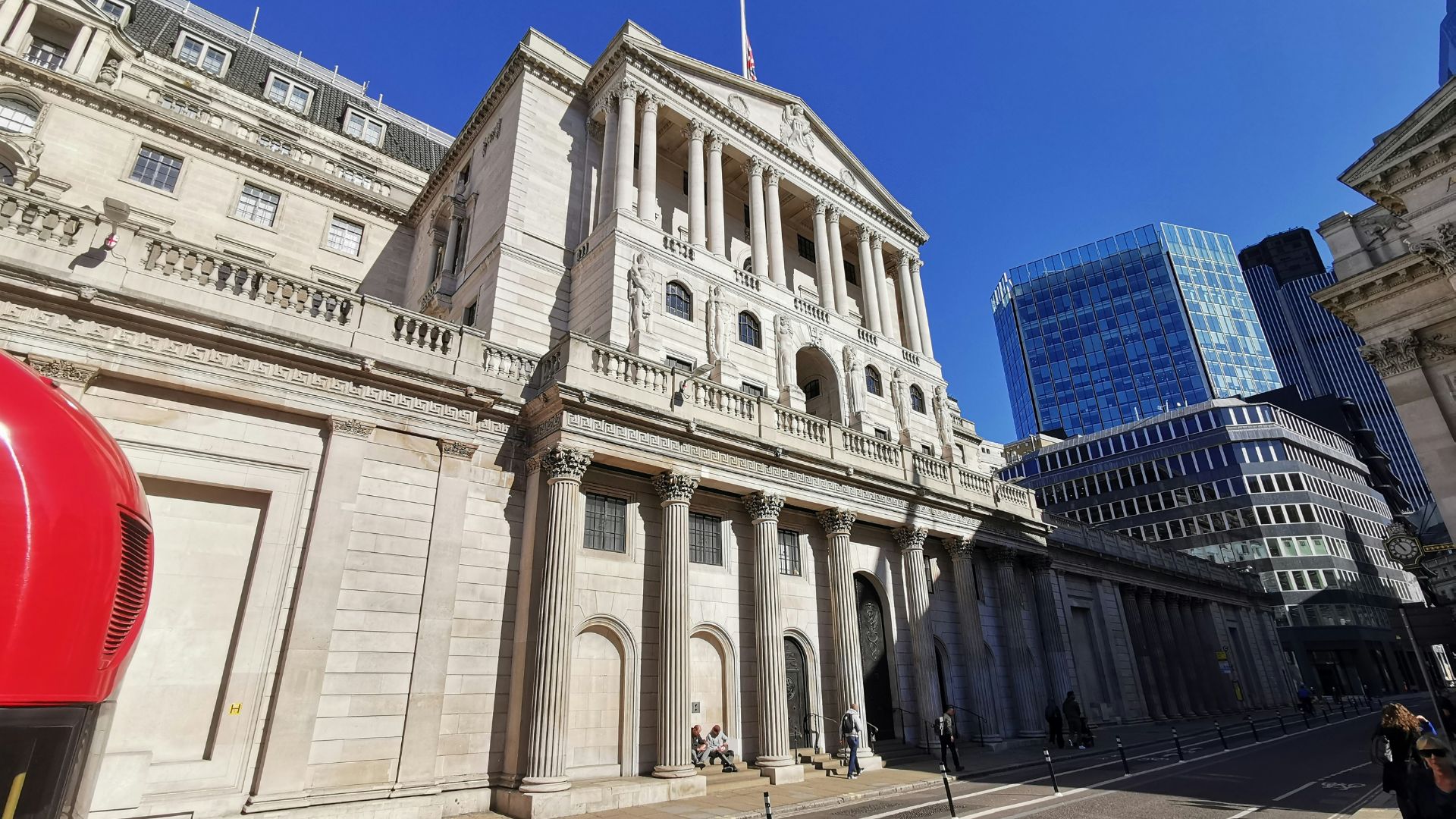
Bank of England Museum – best free museum for the story of British money
Nearest Tube: Bank (Central, Northern, Waterloo and City and DLR lines)
When: Permanent collections include Banknotes and currency, Economic roles and responsibilities and Historic artefacts. These run alongside a changing programme of paid exhibitions, be sure to check before you visit.
Duration: One to two hours
Learn about the history of British currency at the Bank of England Museum and discover how the institution grew from its 1694 royal charter to become England’s central bank. The displays bring the story to life through historic items linked to the economy and the development of the banking system.
Pick up a real gold bar, step back in time in the Stock Office and see how banknotes have evolved, including clever forgeries and the guides staff once used to spot them. Don’t miss the Roman mosaics uncovered during the Bank’s 1930 rebuild and look out for the short films. Some exhibits include quick videos explaining how the Bank works.
Best for: History fans, architecture enthusiasts, curious minds
Good to know: Start with the gold bar display – it’s the museum’s most popular interactive feature, where you can try lifting a real gold bar through a secure opening, and it tends to get busy later in the day.
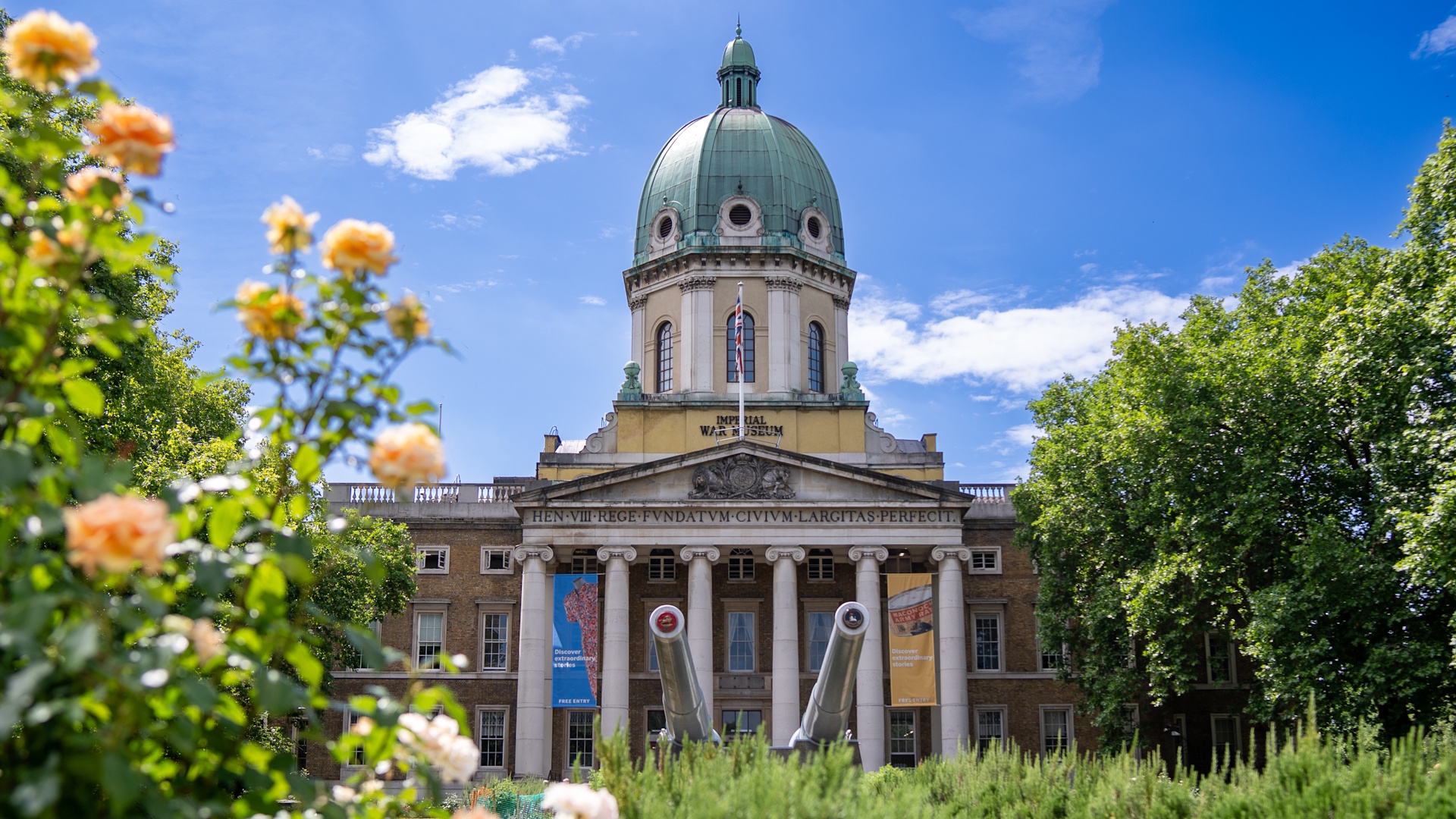
Imperial War Museum – best free museum for the history of modern war
Nearest Tube: Lambeth North (Bakerloo line)
When: Permanent galleries include First World War Galleries, Second World War Galleries, The Holocaust Galleries, Blavatnik Art, Film and Photography Galleries. These run alongside a changing programme of paid exhibitions, be sure to check before you visit.
Duration: Two to three hours
Immerse yourself in the poignant history of war in the 20th and 21st centuries at the Imperial War Museum, where engaging displays trace modern conflicts and the experiences of those who lived, fought and died from the First World War to the present day.
Begin on the ground floor to take in striking large tanks and aircraft before heading into the First World War Galleries to discover what life was like both on the front line and at home. Explore the impact of the Second World War and modern‑day conflicts on people and places. Round off your visit in the Blavatnik Art, Film and Photography Galleries, which present era‑defining artistic responses to war.
Best for: History buffs, art and photography fans, aviation enthusiasts
Good to know: Check out the free daily family activities, including hidden hunts and museum‑wide trails. Keep an eye out for the paid expert talks and lectures for adults, which add extra depth to the galleries.
National Army Museum – best free museum for military history

Nearest Tube: Sloane Square (District and Circle lines)
When: Permanent galleries include Soldier Gallery, Army Gallery, Battle Gallery, Society Gallery and Insight Gallery. These run alongside a changing programme of paid exhibitions, be sure to check before you visit.
Duration: Two to three hours
Discover the story of Britain’s Army at the National Army Museum, where more than 350 years of military history come to life. From the Army’s 17th‑century origins to its modern‑day global operations, the museum offers an engaging look at how the armed forces have evolved and the experiences of the people who served.
Explore five galleries across six floors filled with thousands of remarkable objects, from photographs and artefacts to life‑size dioramas and wax figures. Highlights include the skeleton of Napoleon’s horse Marengo, a surviving section of the Berlin Wall and a rare protective face mask worn by tank crews in the First World War.
Best for: Military history enthusiasts, interactive learners
Good to know: There are plenty of hands‑on, interactive activities for families, from dressing up as a wartime medical assistant to building your own rocket or assembling a parachute.
Royal Air Force Museum – best free museum for aircraft displays

Nearest Tube: Colindale Station (Northern line)
When: Permanent galleries include The First World War in the Air, The RAF Story: 1918-Present, Hangar 3: The Historic Hangars, Hangar 5: The Bomber Hall and Hangar 6: The Modern RAF and Future of Flight.
Duration: Three to four hours
Retrace the evolution of flight at the Royal Air Force Museum, where the story of aviation unfolds from the earliest balloon experiments to the cutting‑edge Eurofighter. Alongside the aircraft themselves, the museum reveals the powerful human stories of the men and women who have served in the RAF since its formation in 1918.
With more than 100 aircraft on display, plus interactive exhibits, dioramas, films and personal memorabilia, it’s a standout day out for all ages. Make time for the immersive sound‑and‑light show that transports you back to the Battle of Britain.
Best for: Aviation enthusiasts, history lovers
Good to know: There are several optional paid experiences, including the Spitfire Experience, 4D Theatre Experience, Typhoon Flight Simulator, and the Vulcan and Cold War Experience, where you can get up close to some of the museum’s most significant Cold War aircraft.
Wellcome Collection – best free museum for exploring the body and human experience

Nearest Tube station: Euston Square (Circle, Hammersmith and City and Metropolitan lines)
When: Permanent galleries include Being Human and Medicine Man. These run alongside a changing programme of free exhibitions, be sure to check before you visit.
Duration: Two to three hours
Discover what it means to be human through the Wellcome Collection’s vibrant mix of science, medicine, life and art. Its vast collection spans more than 250,000 objects, from paintings, prints and photographs to films and public‑health archives, all revealing how images, stories and ideas shape our understanding of health and human experience.
Wander through quirky, thought‑provoking exhibits, including sensory installations and striking contemporary artworks that invite you to look at the body and mind in new ways. Don’t miss the Being Human gallery, where bold displays explore genetics, environmental change and the future of health.
Best for: Curious minds, human-science enthusiasts, big thinkers
Good to know: You can visit the Reading Room as a comfortable space to read and relax on sofas and beanbags. On the shelves you’ll find them packed with books and contemporary journals on everything from modern medicine to anatomy, alchemy and witchcraft.
Horniman Museum and Gardens – best free museum for natural wonders

Nearest Tube: Forest Hill (London Overground and National Rail)
When: Permanent collections include Anthropology, Natural History and Musical Instruments. These run alongside a changing programme of free exhibitions, be sure to check before you visit.
Duration: Two to three hours
Head to the quirky Horniman Museum and Gardens in Forest Hill to explore a wonderfully eclectic mix of musical instruments, anthropology and natural history. Founded on the extraordinary collections of Frederick John Horniman, the museum brings together weird, wacky and fascinating objects from across the globe.
This South London gem is home to the famously overstuffed walrus, alongside fossils, taxidermy, and specimens that chart biodiversity and environmental change. You can also dive into ticketed experiences like the aquarium or wander through the Butterfly House, a tropical space where butterflies drift freely around you.
Best for: Nature lovers, curious minds, outdoor explorers
Good to know: The gardens are a real highlight on a sunny day, offering wide open spaces and sweeping views across London. You can wander the Animal Walk, open daily, where paths run between the enclosures. And if you’re visiting on a Sunday, the Horniman Market on the Bandstand Terrace adds a lively mix of fresh produce, street food and local makers.
London Mithraeum – best free museum for Roman remains
Nearest Tube station: Bank (Central, Northern, Waterloo and City and District lines)
When: Permanent collections include Temple of Mithras, Roman Artefacts and Bloomberg SPACE.
Duration: Around one hour
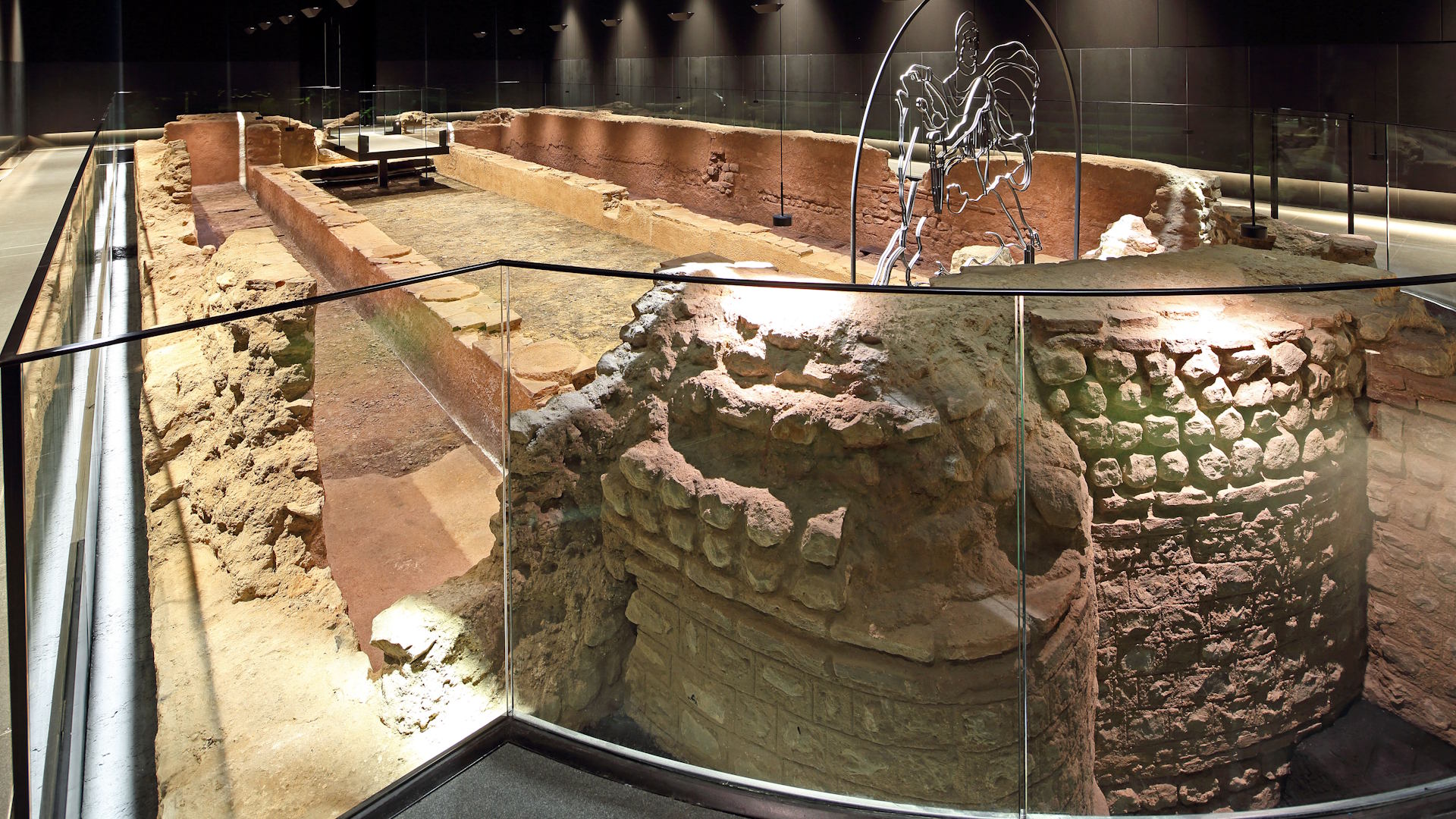
Delve into the Roman Temple of Mithras, built around AD 240 and hidden beneath the City of London until its rediscovery in 1954. The London Mithraeum brings this buried history to life through atmospheric storytelling and archaeological finds that reveal the influence of the Mithras cult in Roman Londinium.
Descend seven metres below street level to experience the temple through an immersive sound-and-light sequence that evokes the rituals once performed there, then explore the remarkable artefacts uncovered during excavation. The visit rounds out with contemporary art commissions inspired by one of the UK’s most significant archaeological sites.
Best for: Archaeology enthusiasts, art and design fans
Good to know: Make sure to book your free timeslot in advance. On the first Thursday of each month the Mithraeum stays open until 8pm, giving you the chance to explore the temple and artefacts in a quieter, more atmospheric evening setting.
Guildhall Art Gallery and Roman Amphitheatre – best free museum for Roman London history
Nearest Tube: Bank (Central, Northern, Waterloo and City and District lines)
When: Permanent collections include Victorian paintings, Pre‑Raphaelite works and Topographical views of London
Duration: One to two hours
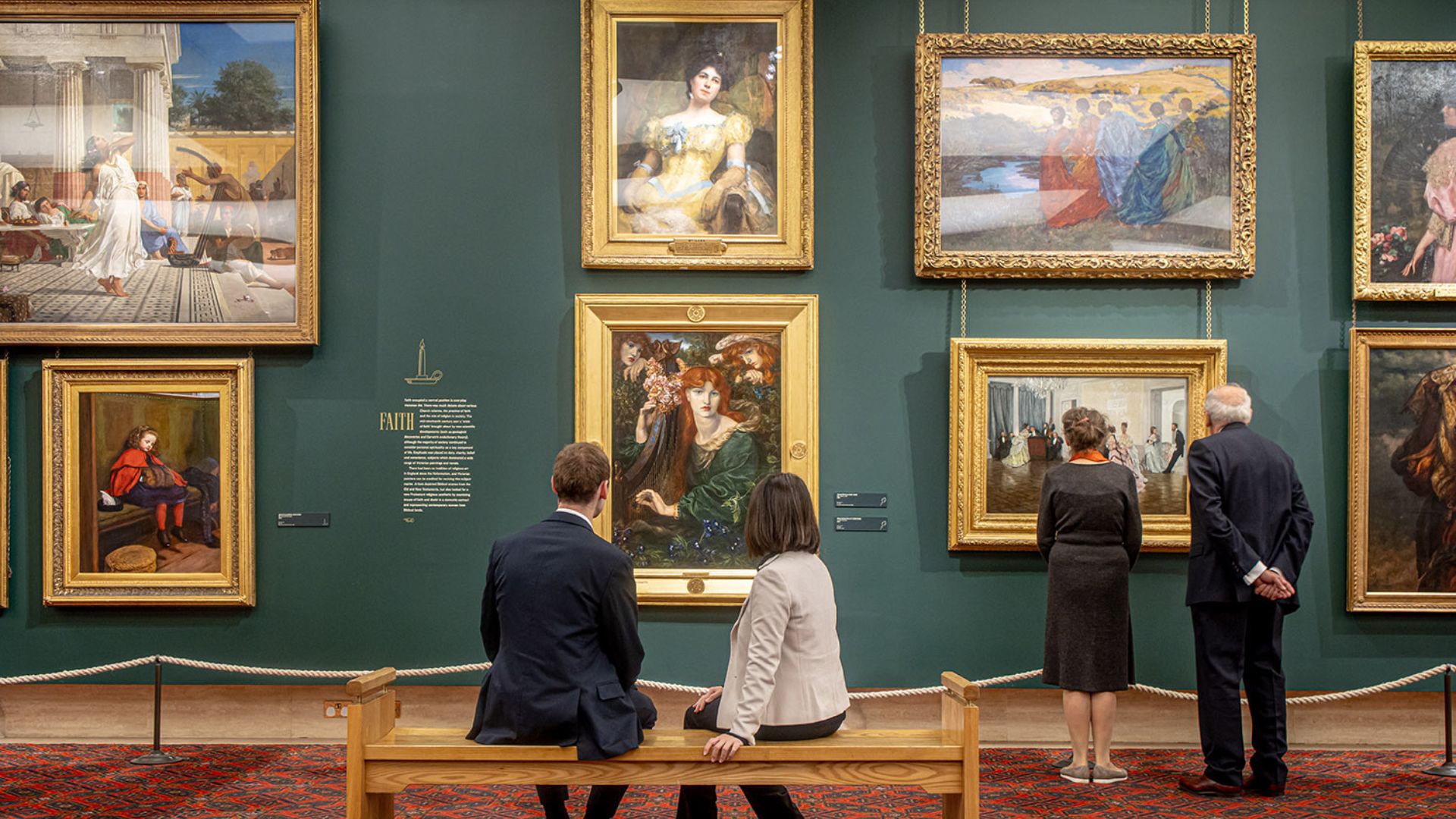
London really does have its own Roman amphitheatre, and it’s hidden in plain sight beneath the Guildhall Art Gallery. Discovered by archaeologists in 1988, the remains reveal a dramatic slice of Londinium’s past. Above ground, the gallery showcases paintings from 1670 to the 21st century.
With a general admission ticket, you can explore both spaces in one visit. Step below the gallery to walk through the curved walls of the Roman Amphitheatre, once packed with crowds watching wild animal fights, public executions and gladiatorial combat. Lost for centuries and rediscovered during the construction of the new gallery, the site now brings ancient London vividly back to life.
Best for: Art history fans, archaeology enthusiasts
Good to know: You can join free introductory tours led by an expert guide, running Tuesday to Sunday and lasting around 30 to 45 minutes, offering a great way to get more context during your visit.