
The shimmering golden exterior of NEON Battersea hints at what’s within, as the life of Egypt’s greatest pharaoh is put into focus at this new exhibition featuring 180 relics previously unseen in the UK.
From cartouches to coffins, mummies to mongooses (yes, you read that correctly), Ramses and the Pharaohs' Gold lets you walk through Egypt one ancient artefact at a time.
Everything you need to know about Ramses and The Pharaohs’ Gold
- Location: NEON at Battersea Power Station, SW11 8DQ
- Opening times: Sun-Thurs 10am-4pm; Fri 10am-6pm; Sat 9am-6pm
- Dates: Currently booking until 31 May
- Tickets: From £24 - book tickets for Ramses and the Pharaohs’ Gold now
Click to jump to each section:
- What is Ramses and the Pharaohs’ Gold about?
- What do I learn about Ramses II?
- What are the highlights of Ramses and the Pharaohs’ Gold exhibition?
- Planning your visit: FAQs
What is Ramses and the Pharaohs’ Gold about?
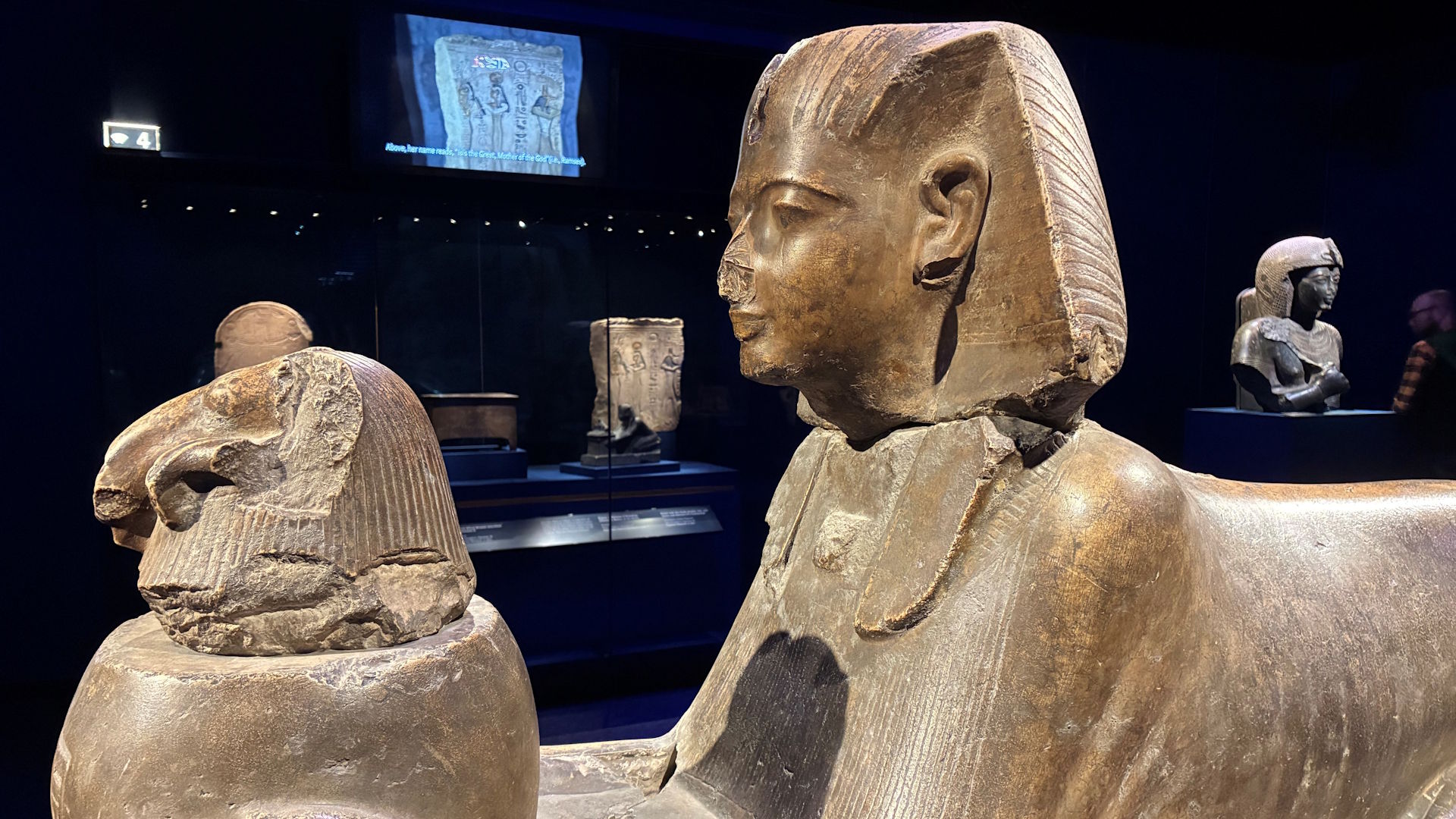
Given he lived more than 3,000 years ago, calling this exhibition a “retrospective” feels a bit of an understatement – it’s so long ago, it could almost be imaginary. But the exhibition proves the legend is very much real and as popular as ever, with 180 rare artefacts on loan from Egypt’s Supreme Council of Antiquities.
Although the story focuses on Ramses II – commonly referred to as Ramses the Great – the exhibition covers much of the period known as Ancient Egypt, with statues, carvings, and adornments seen for the first time in the UK.
What do I learn about Ramses II?
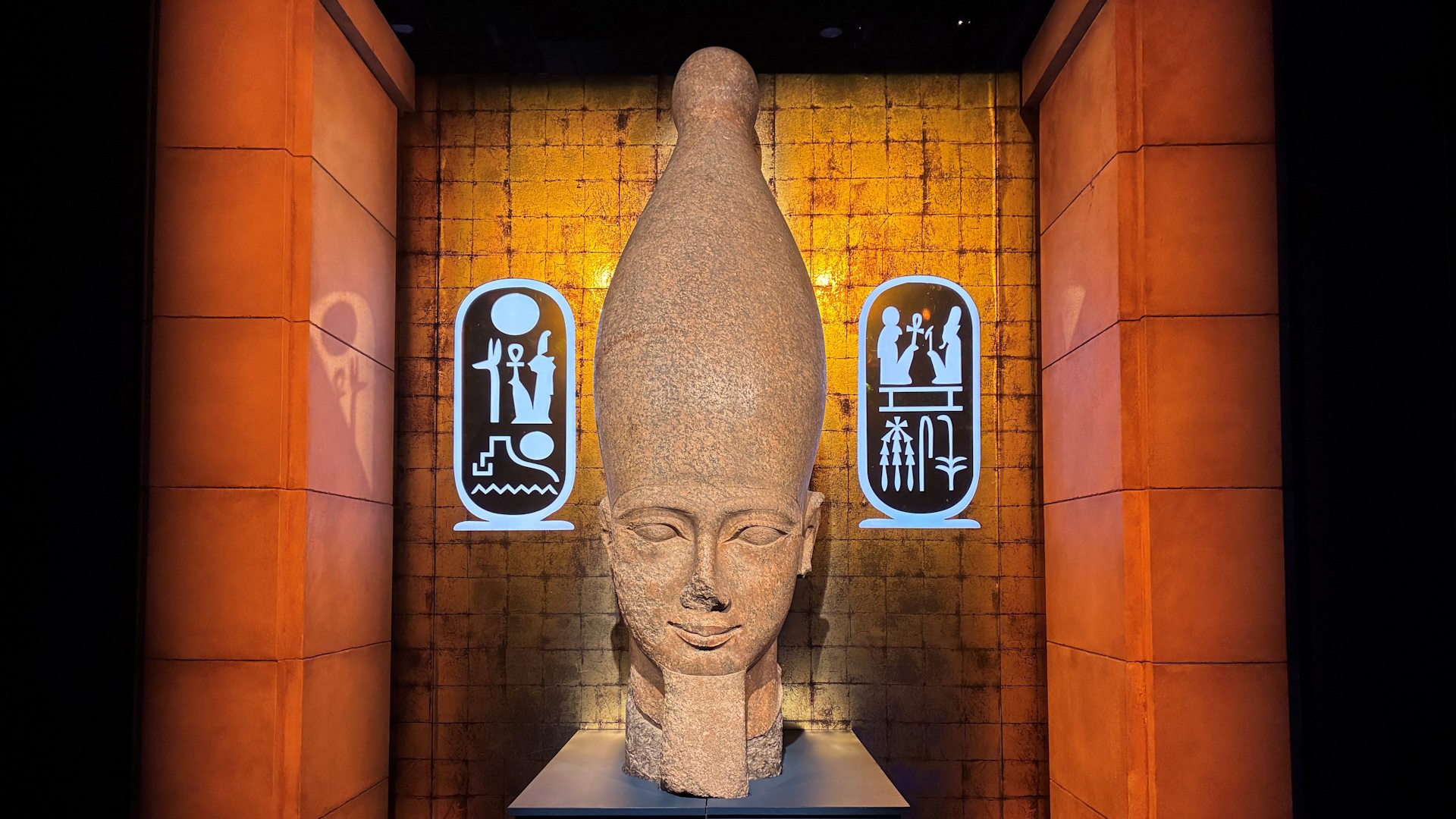
Like all pharaohs, Ramses II, the third pharaoh of the 19th dynasty, was seen as the bridge between humans and divinity. But that minor responsibility aside, I discover how Ramses the Great became a great leader, steering Egypt into a golden age of peace and prosperity.
The exhibition does a great job of storytelling, with short snippets of text that highlight key moments of his life… I learn that, in short, he lived quite a life!
Statues of a young Ramses, his mother Tuya and his son Khaemwaset help to build the picture of his family from the start. Further on, there’s a dedicated tribute to his much-loved wife, Nefertari, and an eye-catching granite lid from the sarcophagus of his successor, the 13th son, Merenptah.
But that’s not all… I uncover the full impact of Ramses’ long reign, from building temples, tombs and palaces to transforming the new city of Pi-Ramesses into the cradle of his rule.
Fun facts about Ramses II:
What are the highlights of Ramses and the Pharaohs’ Gold exhibition?
What not to miss
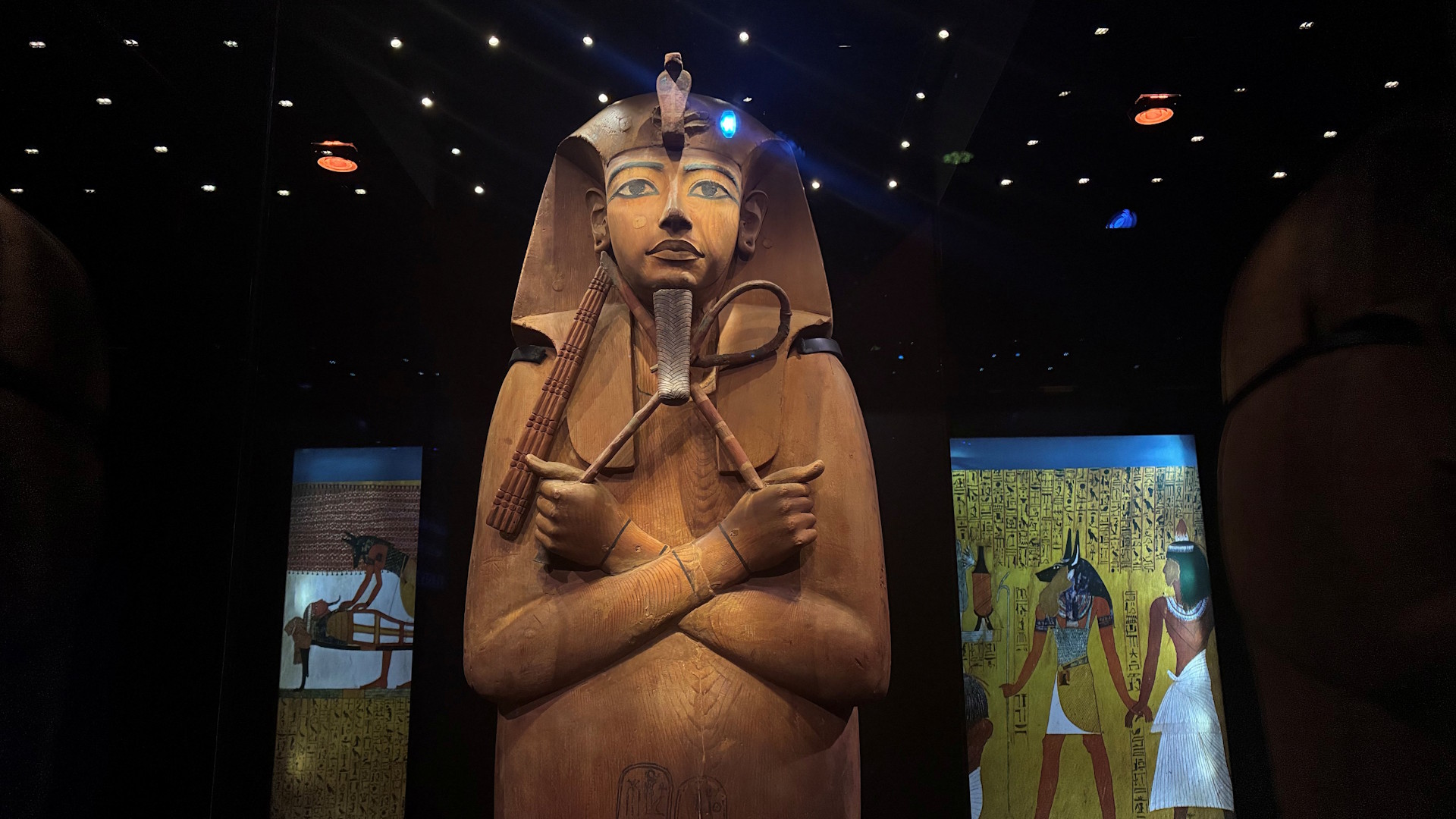
As any concertgoer will know, the best is always left to the end – even if there are plenty of hits along the way… this is no exception.
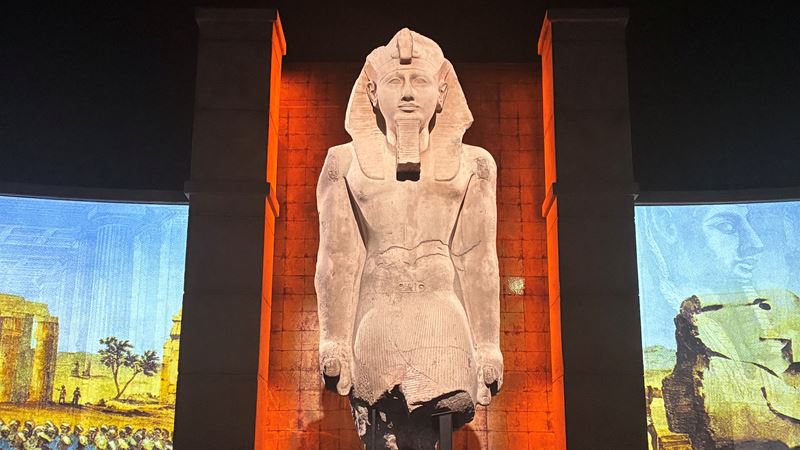
The drop-the-mic moment is the cedar coffin of Ramses II, his carved figure covered in hieroglyphs, arms crossed and wearing a headdress featuring a cobra. Around the corner, I glimpse a striking statue of the pharaoh, illuminated and set on its own for maximum impact as the final exhibit.
Earlier highlights include a focus on the two temples at Abu Simbel built by Ramses during his reign: one dedicated to enshrining himself as a god and the other to his beloved wife, Nefertari. I get a great sense of scale from a three-dimensional model of the temples within the surrounding landscape.
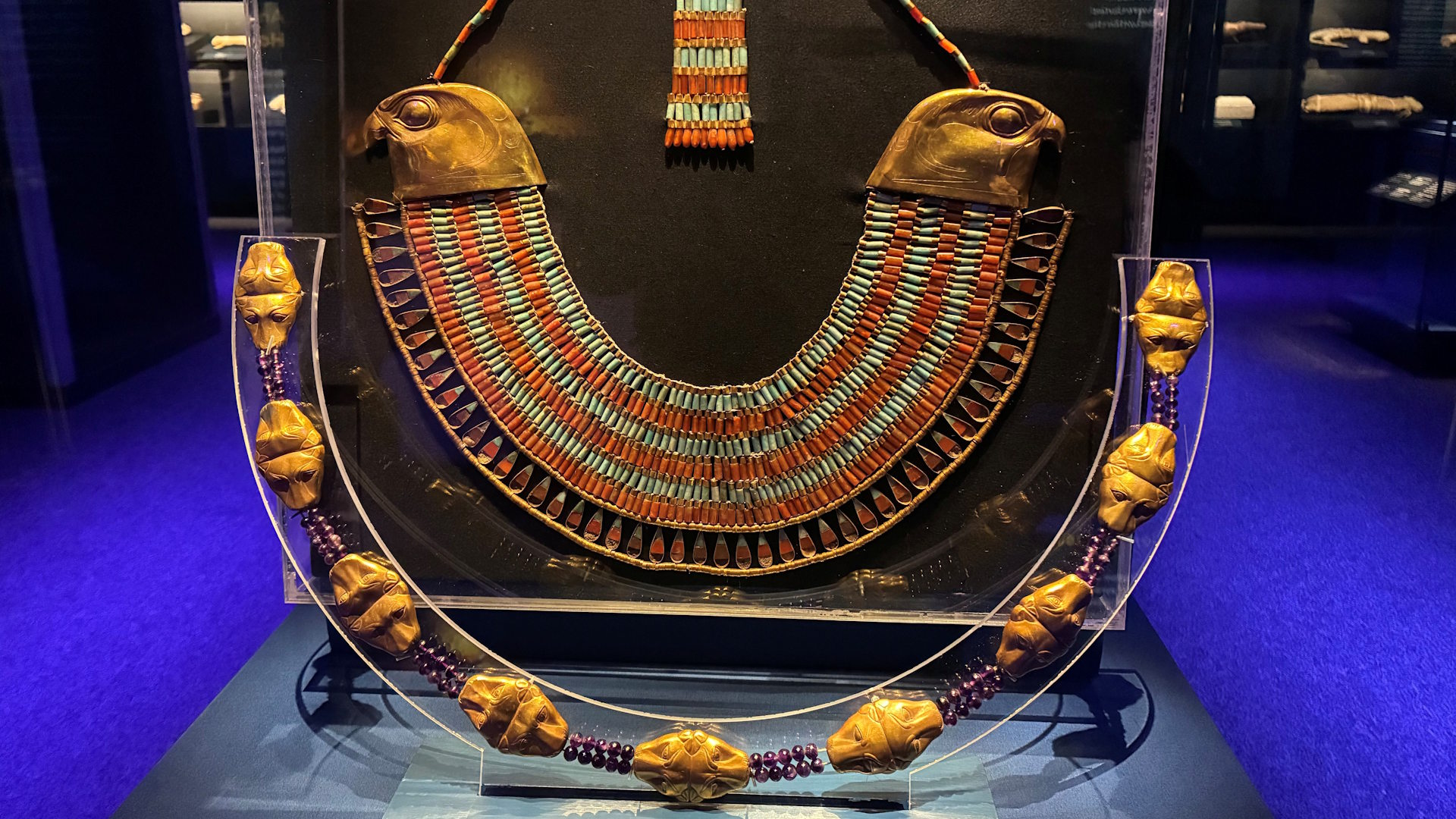
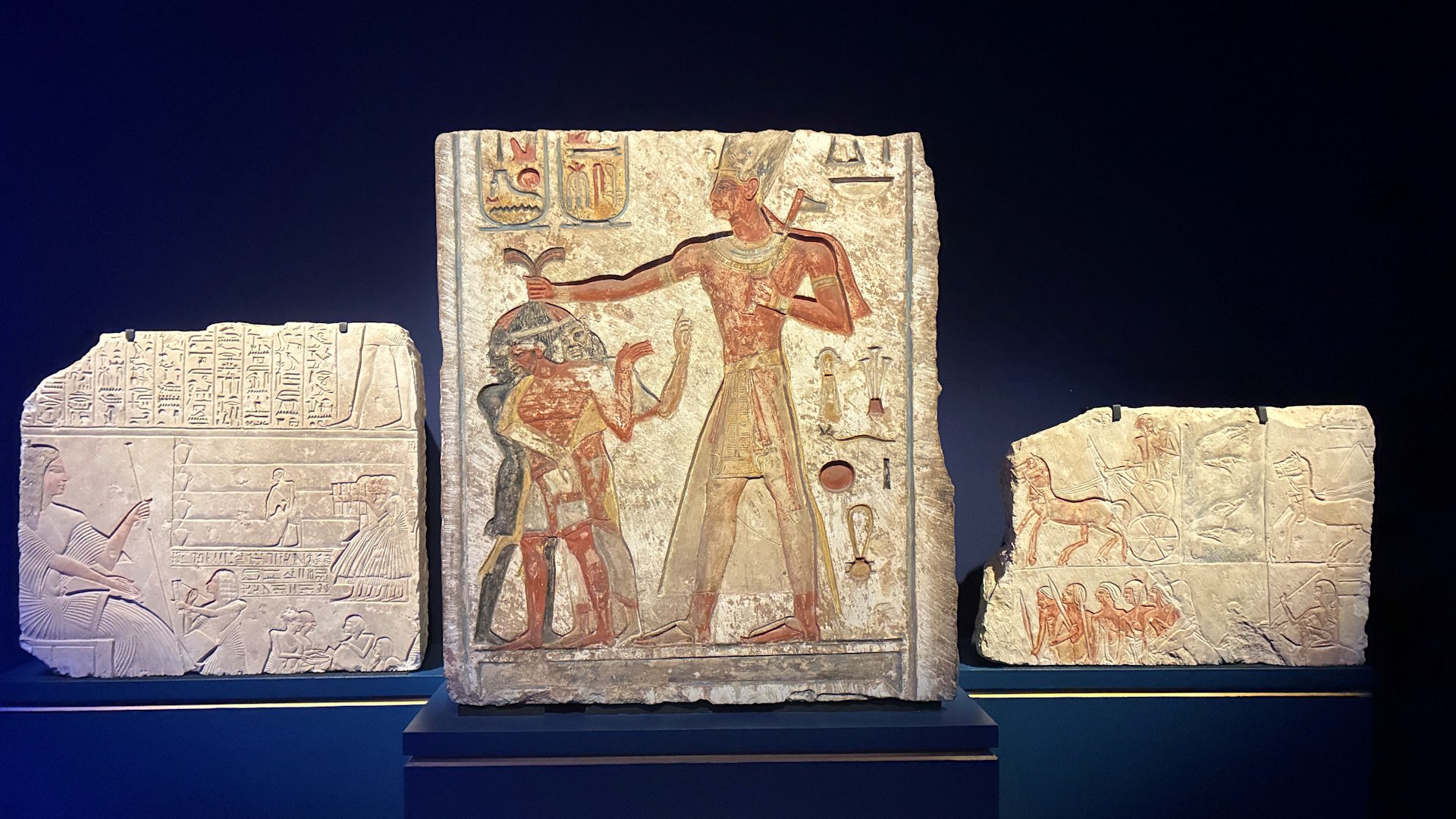
Along the way, I travel to the Valley of the Kings and Thanis, uncovering treasures from before, during and after Ramses’ rule. Among jewellery, vases and hieroglyphs scrawled on fragments of stone, I spot gleaming collars made from gold and semi-precious stones that are especially eye-catching.
What’s my favourite exhibit?
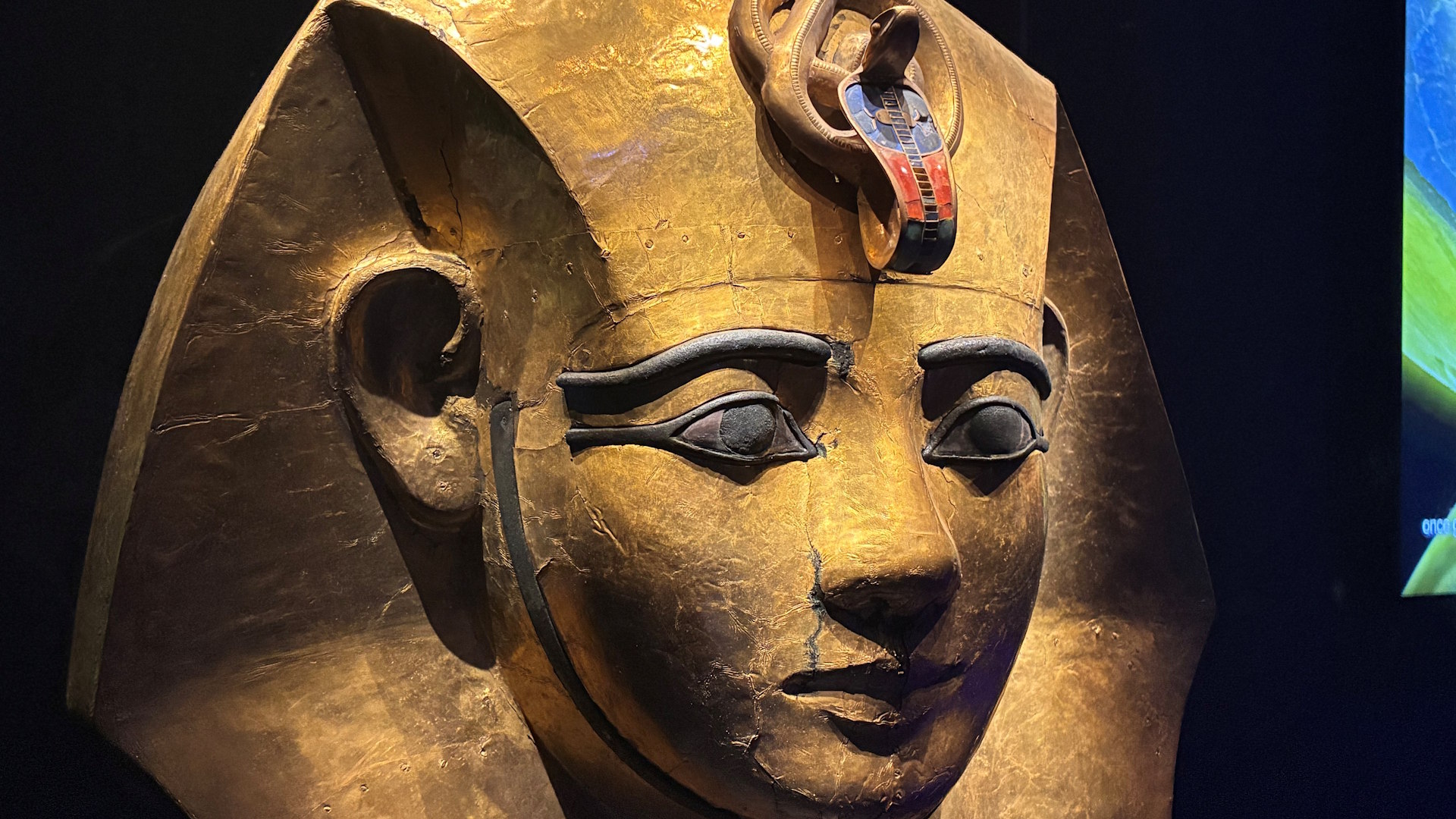
Aside from the coffin of Ramses II, the gilded wooden mask from the coffin of Amenemope (from the 21st dynasty) instantly draws me in. Set in striking gold, this mask features a cobra uraeus decorated with lapis lazuli and carnelian, which signifies his status and affords him protection as a pharaoh.
I also spend time studying a limestone relief depicting Ramses II “massacring his enemies” – I love how the movement of the figures comes across in the typical stylised form of the time.
What’s the most surprising thing?
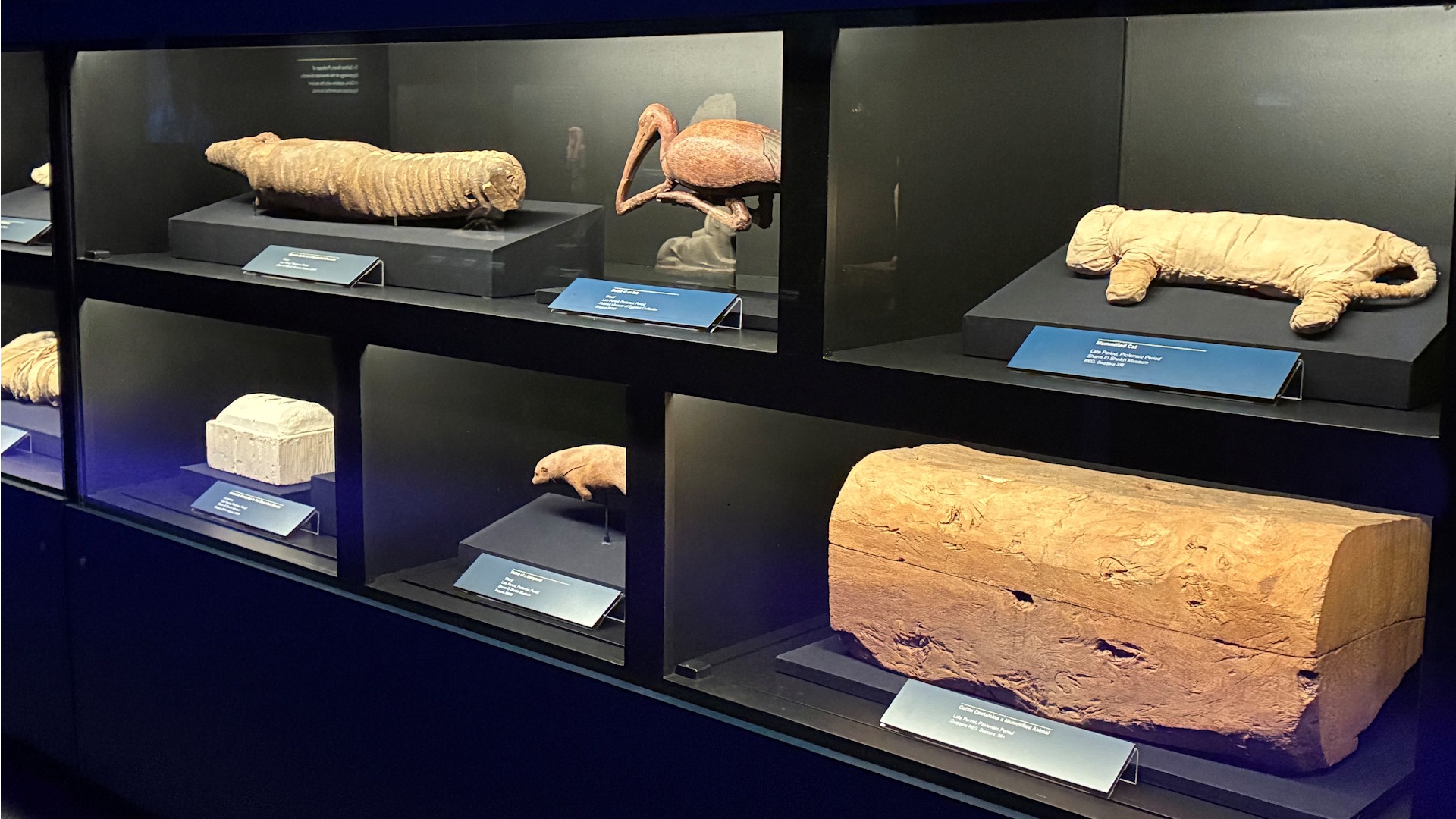
We’ve all long known about the mummification of humans, but I had no idea animals were given the same attention to embalming.
I learn that cats, mongooses, crocodiles, lion cubs, and even tiny scarab beetles were mummified in rituals and buried in catacombs as sacrifices to the gods. These mummies are on show for the first time in this exhibition and provide a fascinating glimpse into the spiritual side of Ancient Egypt.
What has me captivated?
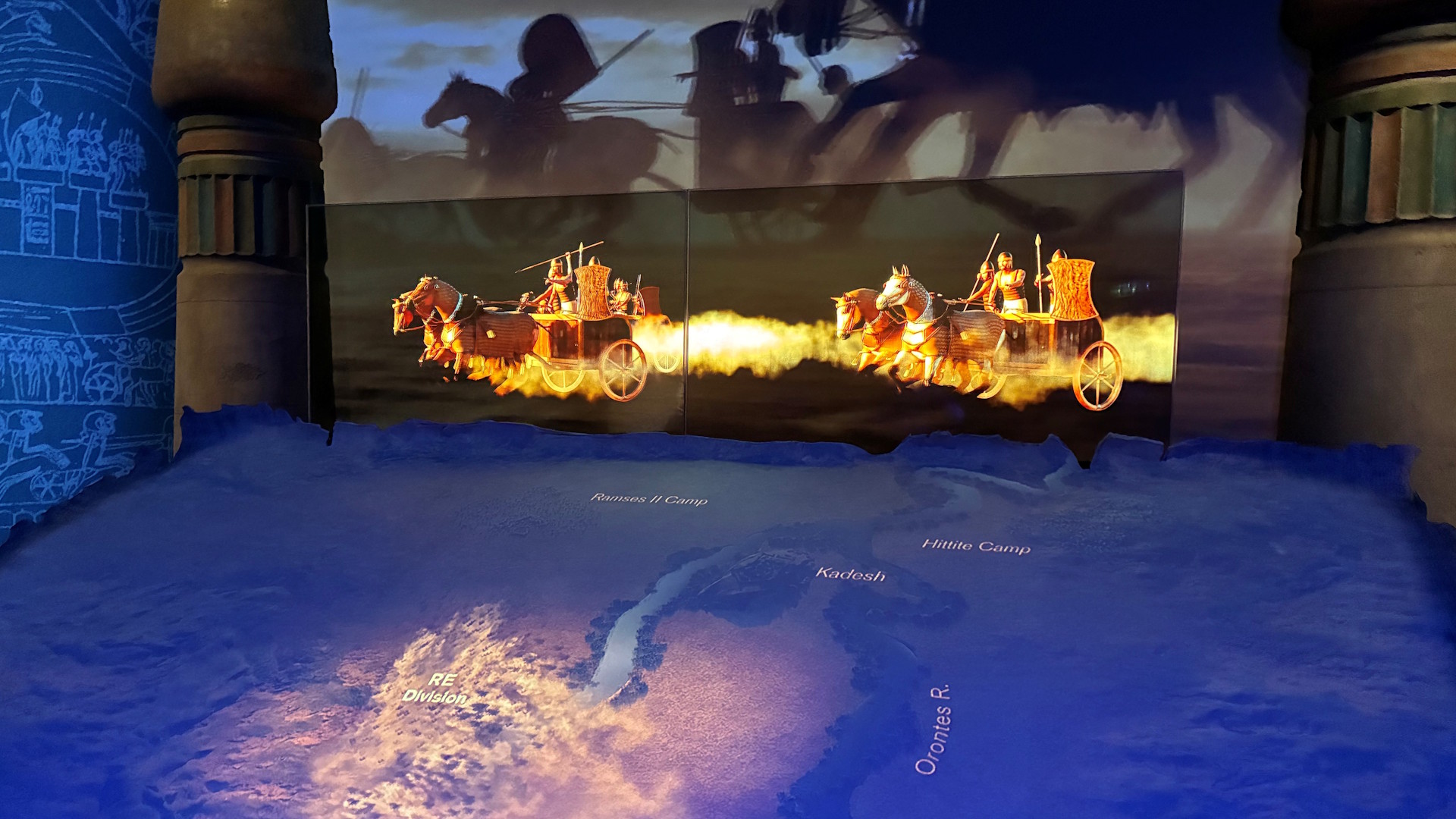
While this exhibition is more focused on ancient relics than on immersive tech, the way the Battle of Kadesh is brought to life is fascinating. Told via virtual screens and projections, it’s one of the few elements that has a truly immersive feel, using technology in a considered way to relay the battle in which Ramses’ outnumbered army fought back against the Hittites.
For more Egyptian artefacts, head to the British Museum – Rooms 62 and 63 house mummies, while Room 4 features the Rosetta Stone, which was used to decipher hieroglyphics. Or delve into Ancient Egypt through reliefs, clothing and more at the free-to-visit Petrie Museum of Egyptian and Sudanese Archaeology.