

Opening on 27 November, Tate Britain’s landmark new exhibition, Turner & Constable: Rivals and Originals, marks 250 years since the artists’ births. See some of their greatest works alongside sketches and items that tell the story of their parallel careers, rivalry and respect.
Read on for my top tips on what to see, plus insight from the exhibition’s curator to make the most of one of the must-see exhibitions in London this year.
Key exhibition information:
- Dates: 27 Nov-12 Apr
- Opening times: Mon to Sun 10am-6pm
- Location: Tate Britain, Millbank, London, SW1P 4RG
- Tickets: £24
Jump ahead to the relevant section:
Why see this Constable and Turner exhibition in London?
Born just a year apart – but miles apart in both their upbringing and personality – JMW Turner (1775-1851) and John Constable (1776-1837) were often pitted together as rivals, but how fierce was this rivalry? After all, these British contemporaries were joined by their dedication to perfecting the art of landscape painting and they often shared common narratives.
This exhibition provides the rare chance to take a deep dive into the works of these two British art icons. Delve into their radically different upbringings, their contrasting levels of acceptance at home and abroad, but also similarities in methods and storytelling through their works.
Despite their contrasting styles, the press soon marked them as rivals, especially when Constable allegedly made arrangements to give his work greater prominence over Turner’s at the Royal Academy Exhibition in 1831. But, most notably, Turner got his own back a year later, adding a bright red mark to his work to denote a buoy, an attempt to draw attention away from Constable’s painting hanging nearby.
Today, their works sit alongside each other once again, as 170 paintings, sketches, and items are put on display across 12 rooms at Tate Britain.
What are the highlights of this Constable and Turner London exhibition?
Their lives and careers
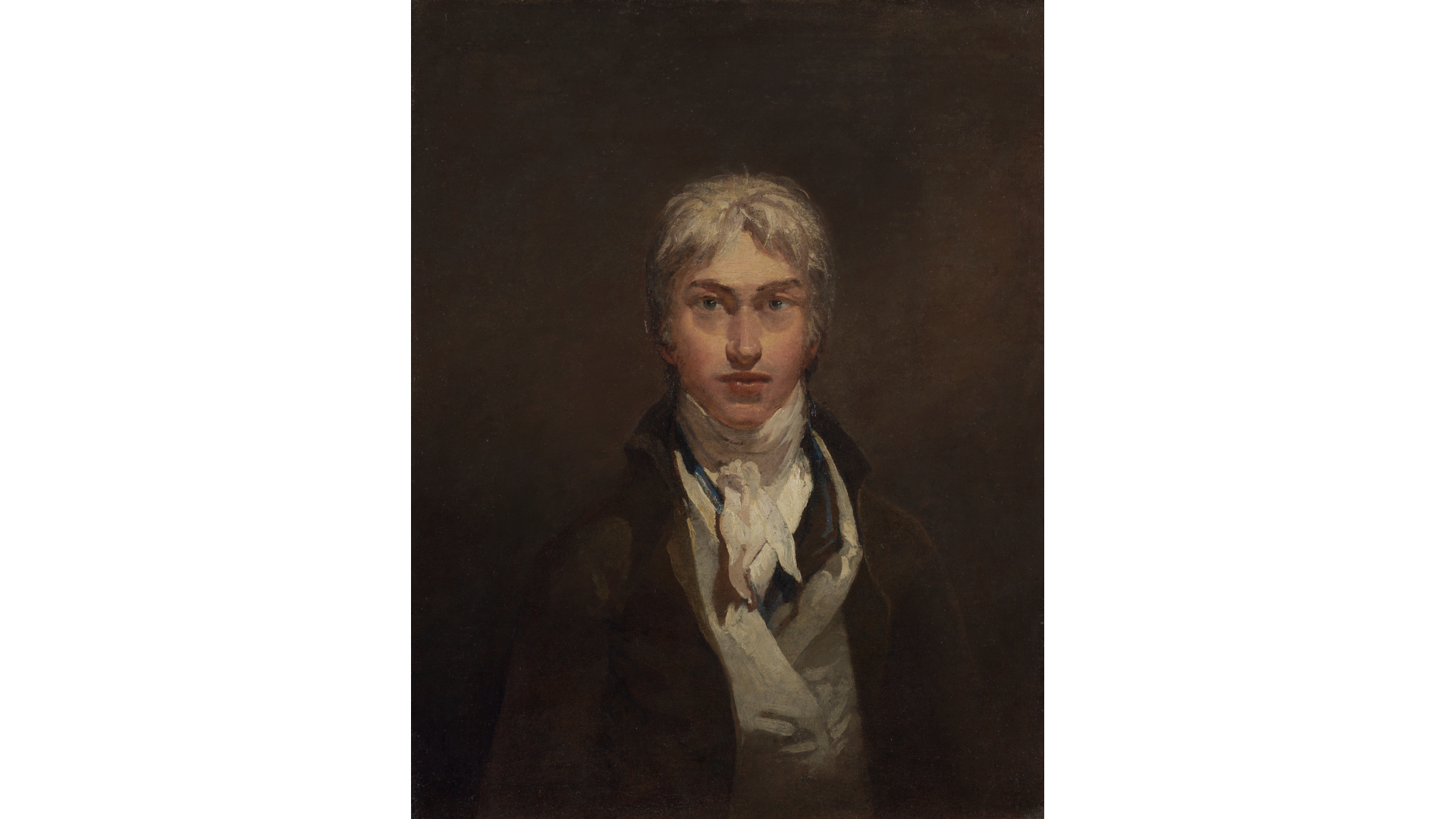
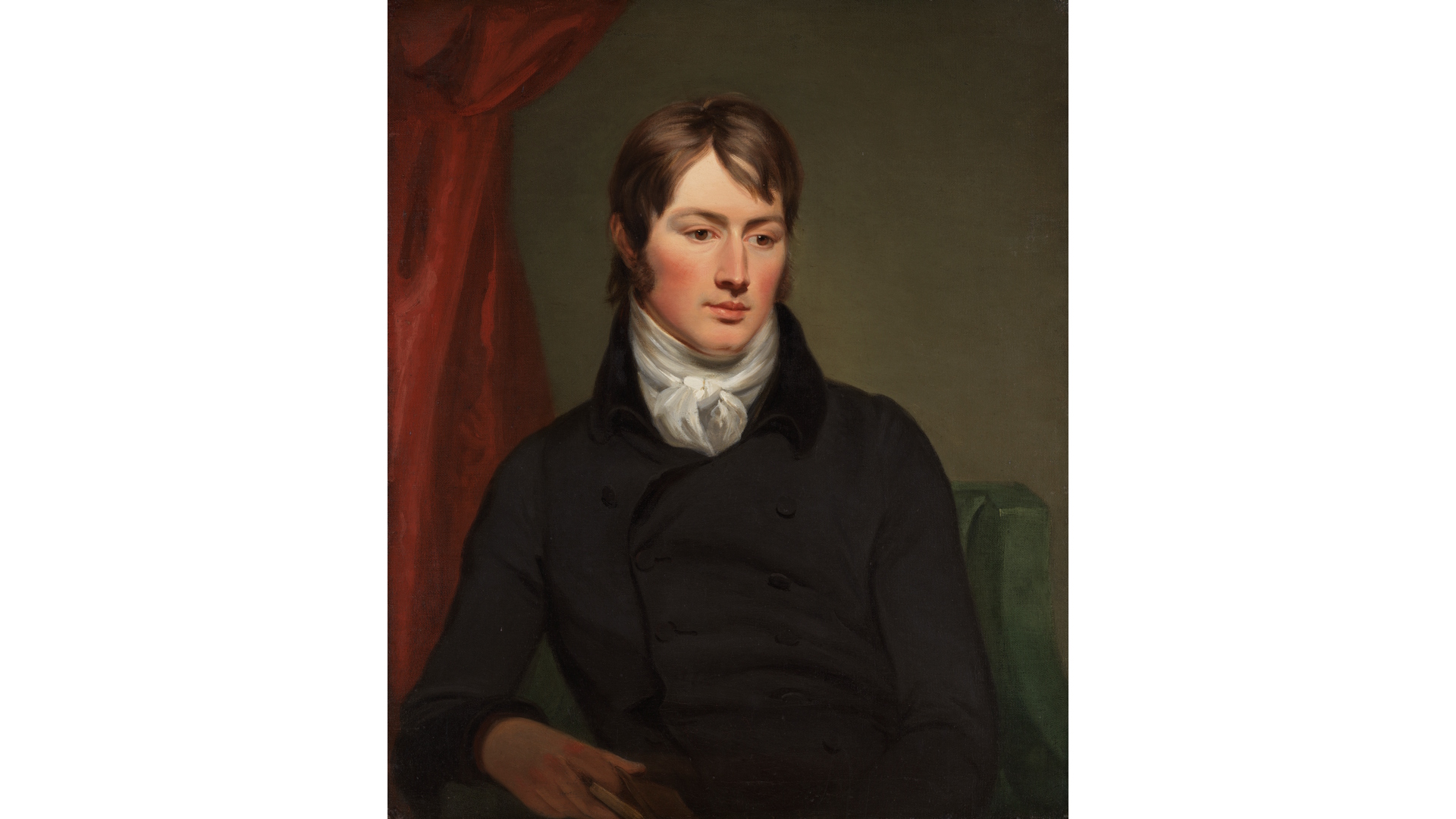
I always love to learn about artists’ lives away from the canvas, and how this impacted their work. This exhibition is especially intriguing in that sense, as the artists come from very different upbringings and they garnered support from different circles.
Their, at times, parallel careers are outlined in a handy timeline at the start of the exhibition, while individual and joint displays include thorough labelling and insights to help unpick their evolution through some of their most famous paintings and lesser-known sketches.
Turner paintings
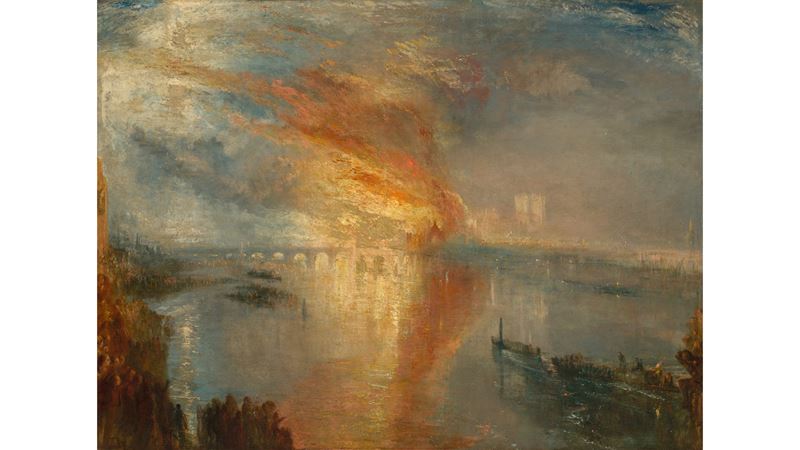
Room 10 focuses on Turner’s late work and it includes a number of my favourite paintings within the exhibition. My eye is immediately drawn to the luminosity of the oranges and yellows depicting fire in The Burning of the House of Lords and Commons, 16 October 1834 – the first time this striking work has been on display in Britain for more than a century. It’s easy to see why artists shuddered when being exhibited next to Turner’s works, as viewers’ eyes would always be instantly captivated by the colour of his paintings.
It sits alongside another of my favourites: Snow Storm – Steam-Boat off a Harbour’s Mouth. This swirling seascape shows a paddle-steamer ship seemingly in peril, the mast bending in the wind, the sea and the sky almost merging into one, and strong white marks cleverly indicating sea spray.
Across the room, two of Turner’s most inventive and controversial works: Light and Colour (Goethe’s theory) – the Morning after the Deluge – Moses Writing the Book of Genesis, and Shade and Darkness – the Evening of the Deluge, show the ever-expanding boundaries the London-born artist was pushing with swirling vortexes of paint – something which drew widespread criticism at the time.
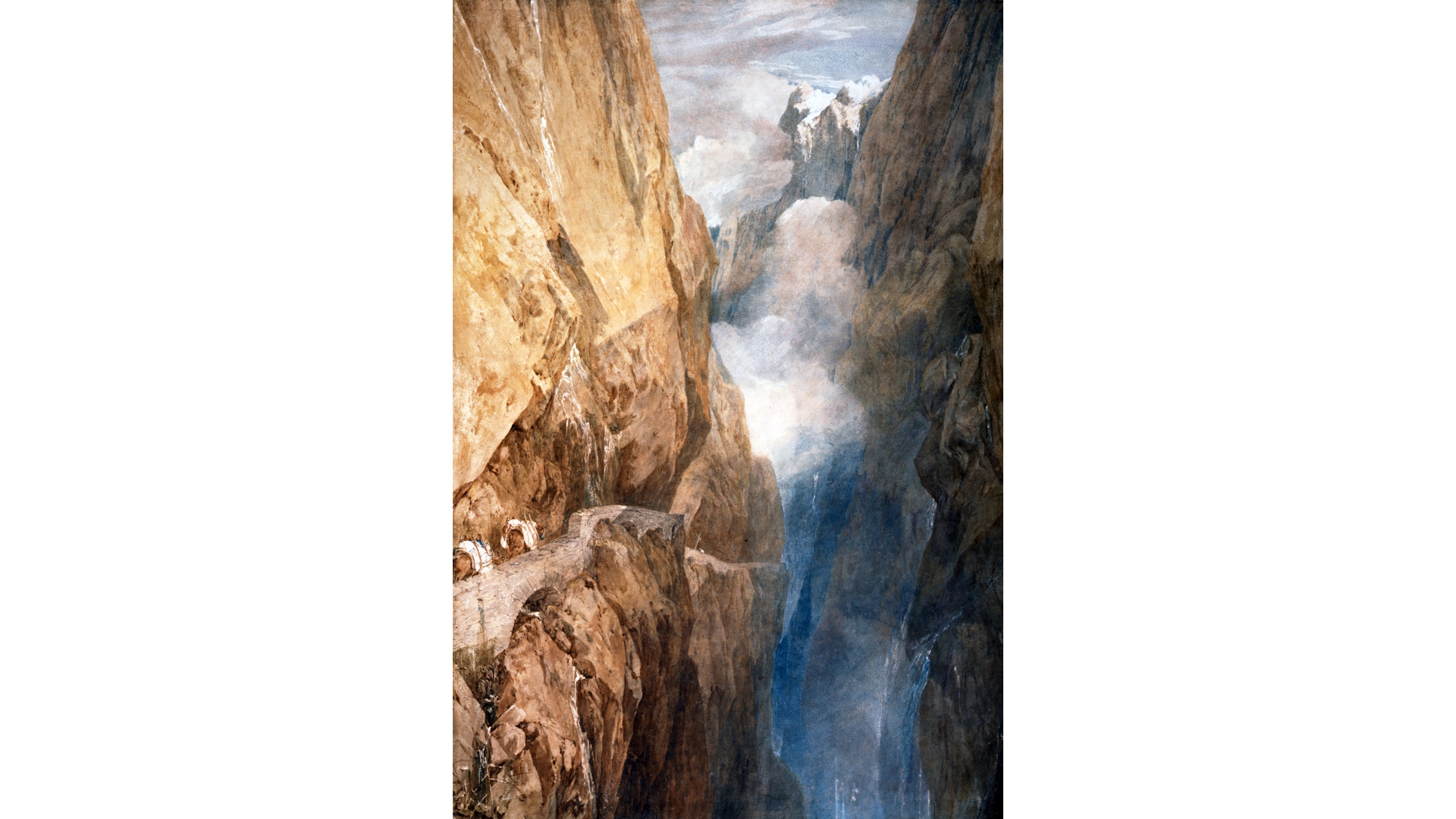
Room 3 brings up notable paintings from Turner’s time in the Alps, which clearly inspired the 27-year-old who had rarely travelled until this point. The dramatic Snow Storm: Hannibal and his Army Crossing the Alps is a prime example of Turner’s technique in creating a sense of foreboding, while the captivating The Passage of Mount St Gothard from the centre of Teufels Broch (Devil’s Bridge) watercolour draws the viewer in with its misty clouds among the rocky crevasse.
Constable paintings
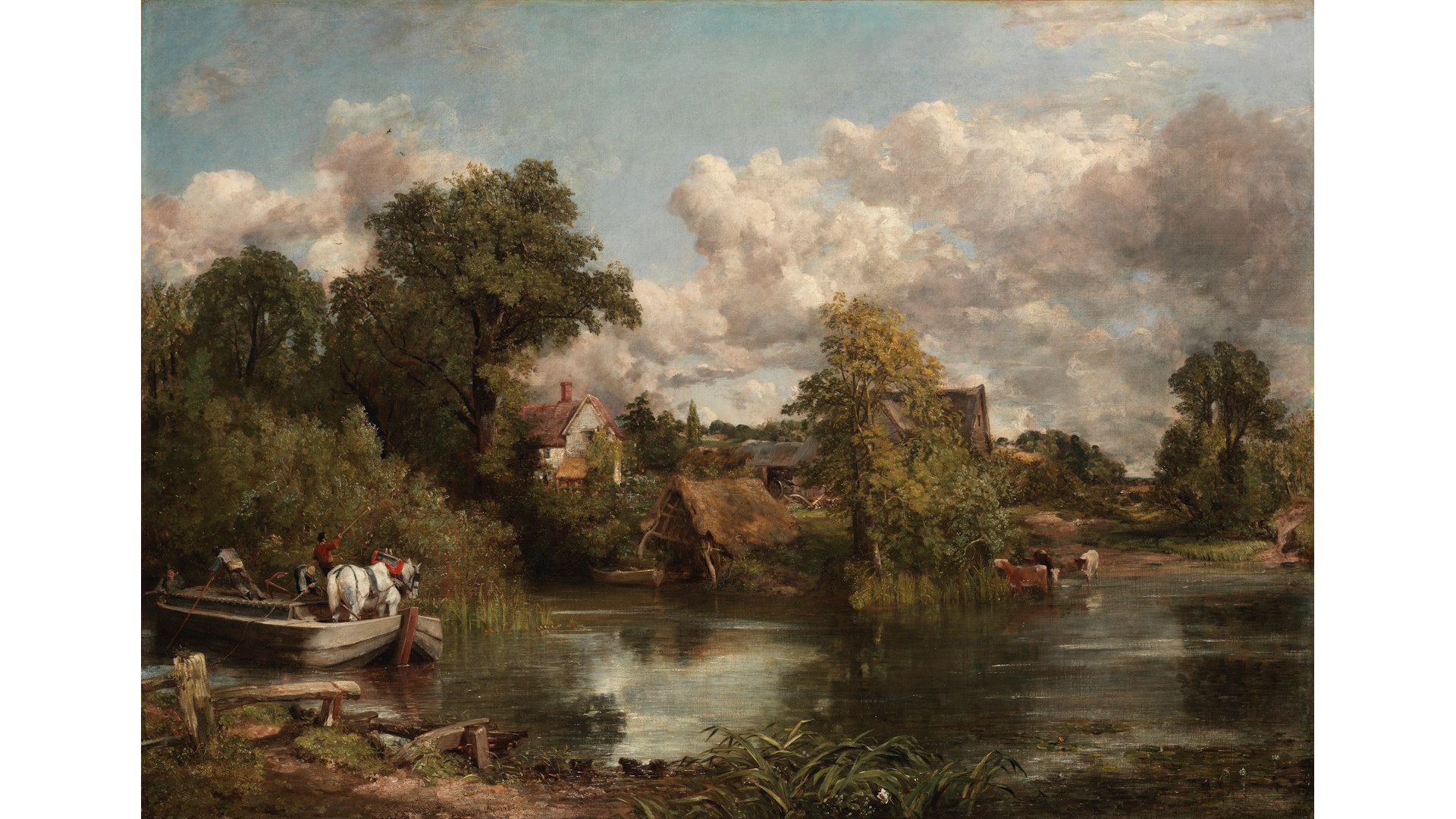
Constable works also wow… The White Horse, which was last on display in London two decades ago, is my standout. This typical Constable rural scene in Suffolk’s river Stour conjures up a sense of nostalgia, conveying a way of life that was quickly being lost. It also marked a turning point in the artist’s career, being the first of a series of his famous six-foot works that shot him to fame – it also led to his election as an Associate Member of the Royal Academy.
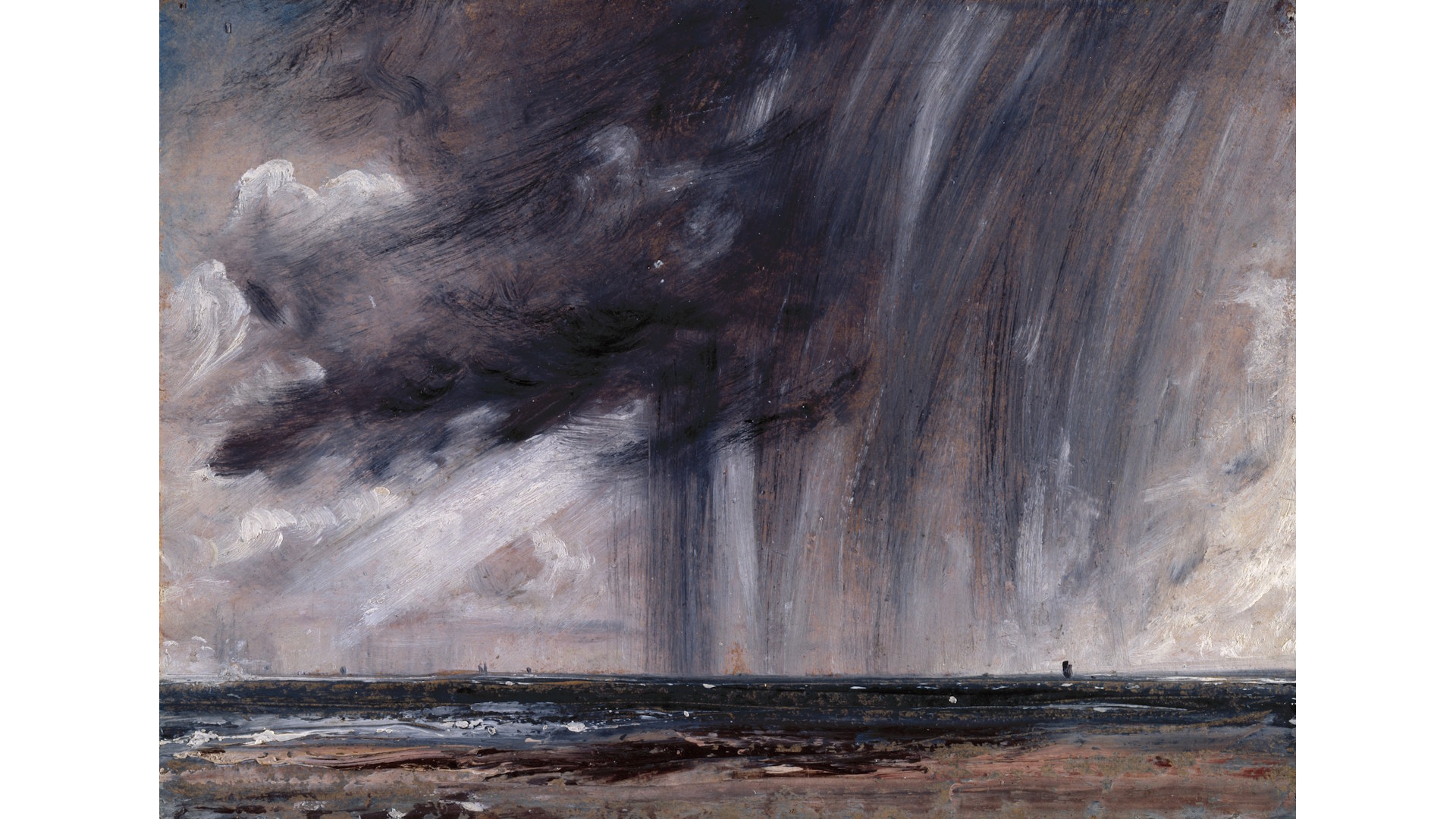
I also spend time lingering over the Brighton paintings in Room 9, which vary in style and tone: from the expressive Rainstorm over the Sea, to the pinkish hues of Coast Scene at Brighton and the moody Brighton Beach. This contrasts with the large-scale Chain Pier, Brighton, which is more comparable to Constable’s most recognisable large-scale works of Suffolk.
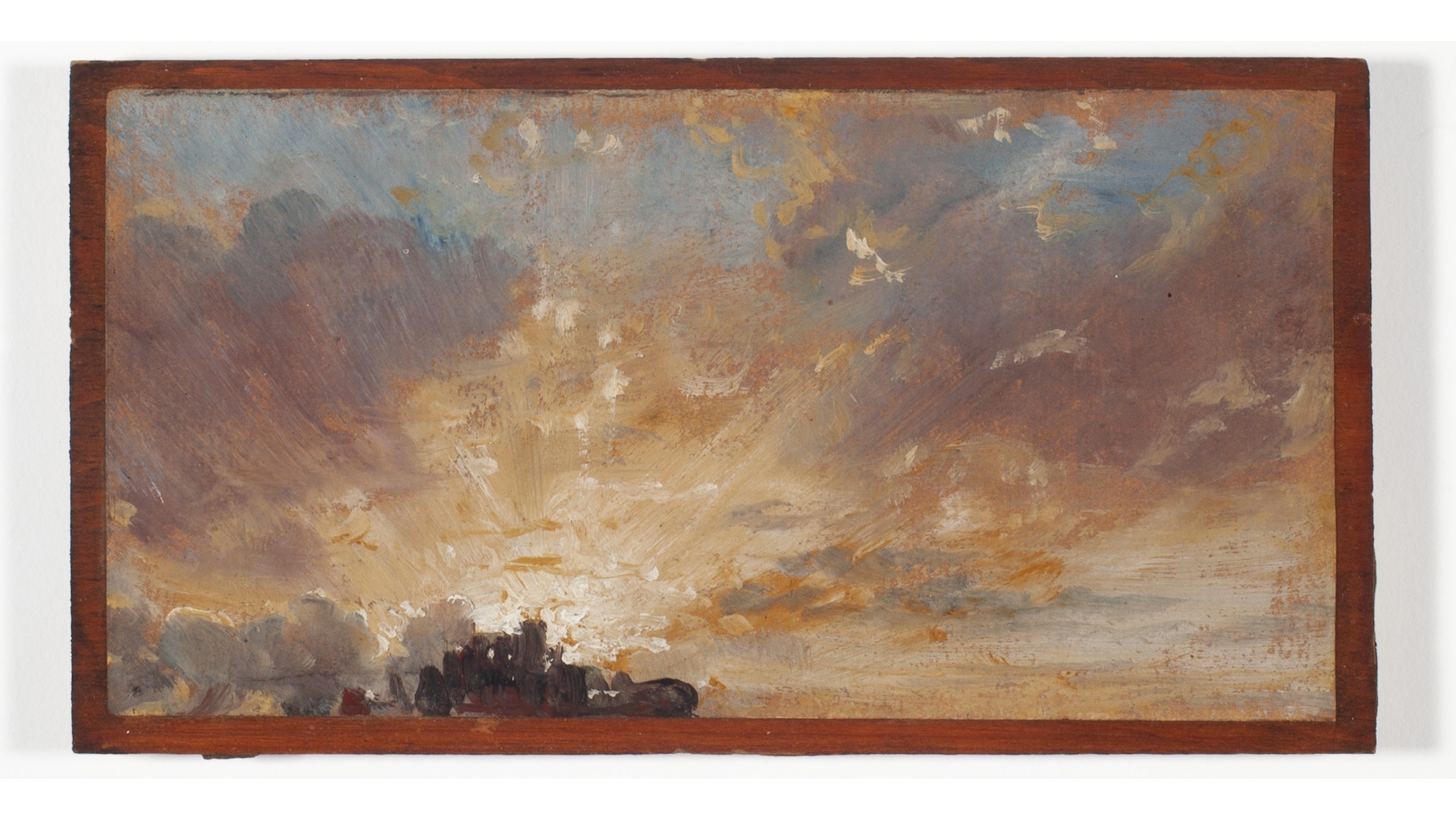
Early oil sketches painted on-the-go outdoors also catch my eye – particularly a series of works of the river Stour. My pick of these is River Stour at Sunset, Looking Towards Dedham, with its colourful sky and loose brushstrokes, it’s arguably more reminiscent of Turner in style than Constable’s more detailed pastoral scenes.
What did I learn from Turner and Constable paintings on display?
The exhibition notes that Constable’s works were often regarded by critics as “truths”, while Turner’s were more “poetry”. But their shared ability to capture nature – especially the weather through dramatic skies – plus a notion of storytelling in changing times are common themes.
Given the status of these two masters, I was surprised how their careers got off to very different starts. Their parents reacted differently to their intentions to become artists, and the art establishment also took to them in different ways. Turner was a precocious working-class talent who, at 15, first exhibited in the Royal Academy. Constable, from a wealthier background, made a slower impression… rising to fame in France but taking longer to become recognised in Britain: he was not mentioned in the press until the age of 31 and not elected a Royal Academician until 1829… 27 years after Turner.
What surprised me most about Constable was the breadth of his work – not only the six-foot rural scenes near his home in Suffolk that come immediately to mind, but early plein air oil sketches experimenting with colour and a surprising looseness of style in some later works.
What are the top tips for visiting Constable and Turner at Tate Britain?
Author’s tips
Don’t overlook the sketchbooks from both artists. Turner’s notes give a narrative of his time in Europe, while the colourful Sunset over a River from the Wilson sketchbook is an exquisite example of more developed works.
Constable’s studies are equally as impressive – especially a detailed drawing of Willy Lott’s House, which also became the subject of arguably his most famous work, The Hay Wain.
These sketches give an insight into the artists’ everyday work and chart how their styles and methods evolved over time.
Curator’s tips
Take the time to look at the detail – it reveals more and more about the paintings. Particularly look at the sketches and think about the way they’re both working, which really illuminates the final pictures.
Questions for the curator: Nicole Cochrane, Assistant Curator Historic British Art
Describe the artists in three words
Both are bold, original and inventive.
What’s the most surprising thing you’ve learnt while curating the exhibition?
I think the wonderful thing is that these artists, on first inspection, look really different and their outputs are so different… but when you actually bring them together in a space there are so many similarities. While their methods may be different, at their core they’re both very much looking to celebrate and advance British landscape painting.
What was the most challenging aspect of putting the exhibition together?
There are so many wonderful pictures by both artists, you just want to include everything. We could have done six exhibitions with the outputs of both of these artists, so the hard part is narrowing down the essence of their periods and their methods.
It’s a great advantage of an exhibition like this, but it’s also quite difficult because they’re living parallel lives and starting out at different times – Turner takes off, while Constable is slower [to become recognised]. They also have these meeting points where they come together but then differ, so it’s hard to tell those stories in tandem while keeping the narrative the same.
Given this challenge, how did you choose what to include?
We tried to bring together the best of both of their careers. What we’ve drawn out is their methods – looking at the way they’re approaching art.
We were lucky to have a lot of private collection loans, so a lot of these pictures have not been seen in public for decades. In Turner’s case, we have a picture that’s not been seen in the UK since 1836, so it really has been a joy to bring together the cream of the crop of both of their careers.
Looking at the key touchpoints… for Constable it’s the outdoor sketching, in particular the oil sketches, and the Suffolk pictures. For Turner, we have a great collection of sketchbooks and Turner’s late works. These works are synonymous with their careers.
What are your favourite paintings in the exhibition?
It changes every time I go around! I think Constable’s oil sketches, particularly the early ones that explore the different times of day and colour… I find these really beautiful, and you can very much see the moment he’s looking outside.
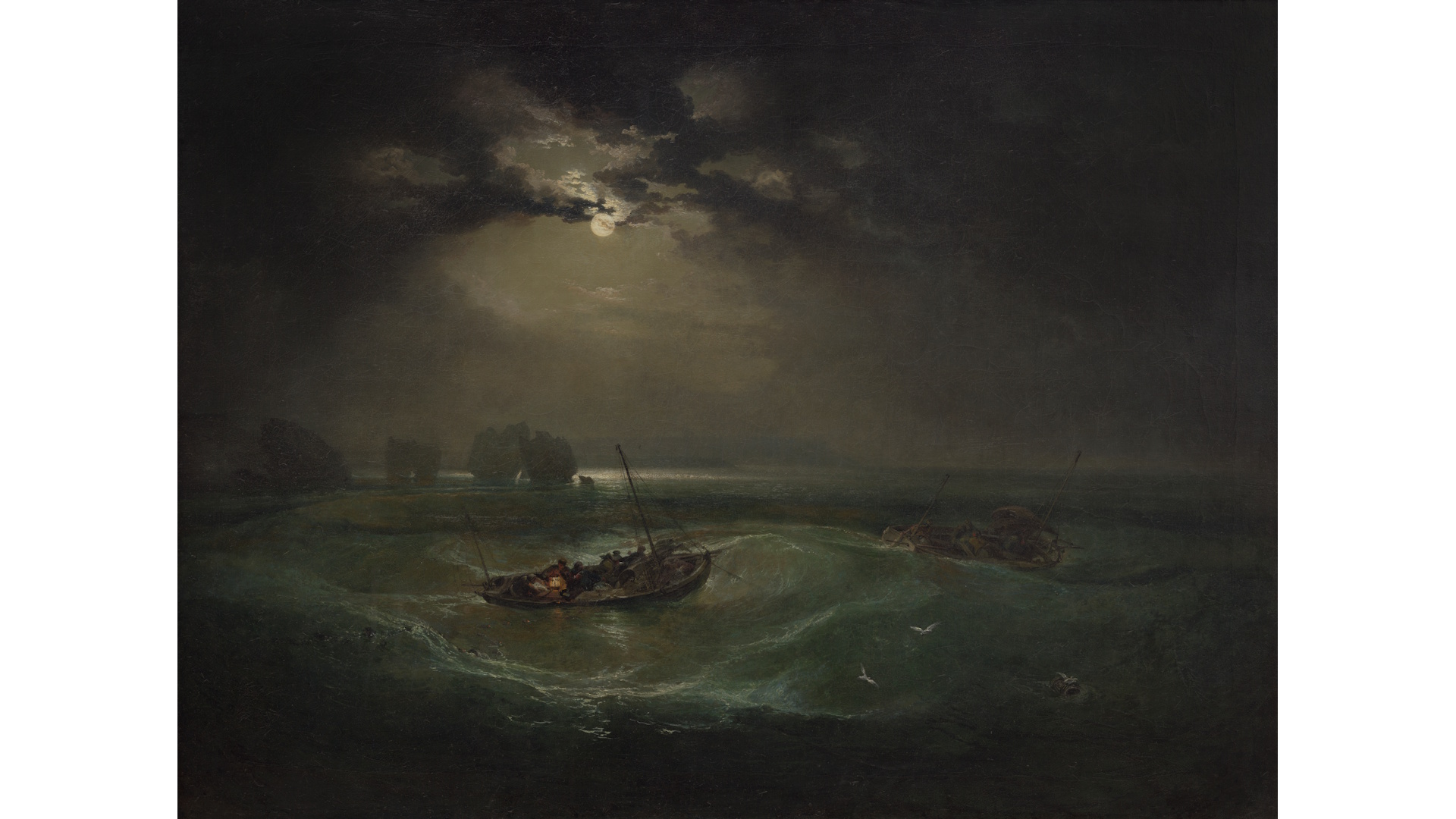
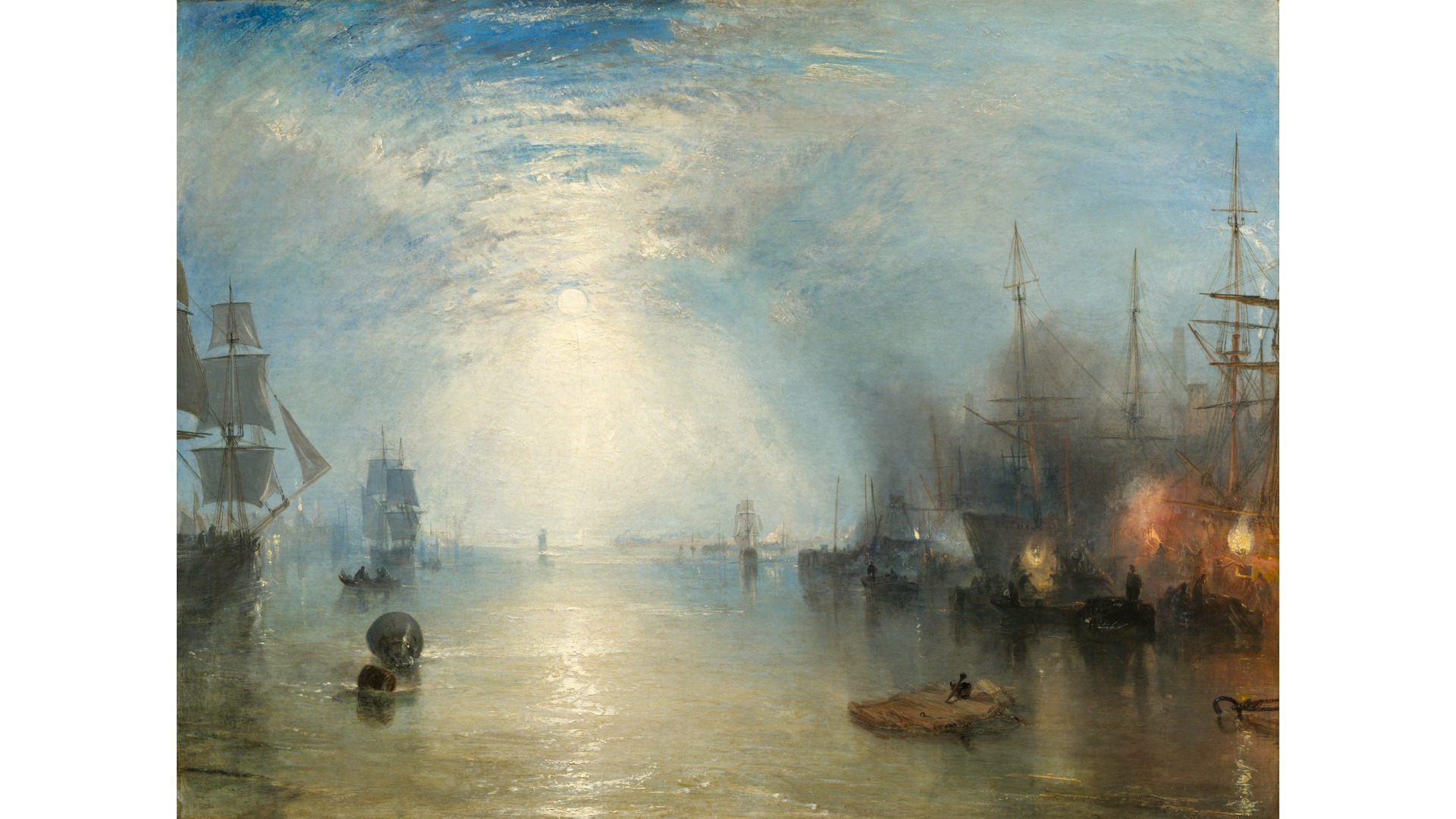
Also, Turner’s late pictures, particularly Keelmen Heaving in Coles by Moonlight (which is usually in the National Gallery of Washington). Every time I look at it there is something new I pick out, and the colour… the picture doesn’t do it justice, so when I saw it for the first time I gasped because I’d only ever seen it in a picture.
There are so many pictures like that where you think you know them but when you see them in person there are so many details… Constable’s The White Horse in particular, every time I look at it, I notice a new detail. They are artists you can take your time to delve into the detail.
Turner was born in London… how much of an influence did London have on his work?
He was certainly a city boy. Particularly in his early career, he would have been surrounded by artists, having grown up in Covent Garden – which was a hub of arts in London.
London was so intrinsic in his early career – his father would hang his pictures in his barbershop window, so he was championed really early. In particular, the industrialisation of London at the time would really have inspired him – it was constantly evolving, things were being built… sewers, coal and shipping. There were a lot of themes that continued to inspire him throughout life… this idea of the changing tides of history.
Later, he experienced other countries and the juxtaposition of London and abroad was important. When Turner went to Italy in particular, the colour of his paintings changed so drastically, he suddenly saw the big mountains of the Alps, the light of Italy… dreamlike blue and yellow appeared in his paintings.
These artists had hugely different upbringings… how did this impact the subjects and themes they painted?
Suffolk is so intrinsic to Constable’s life. Although he did paint other areas, the big six-footers of Dedham and the Stour valley are so integral to Constable’s life and career. He had a great sentimental feeling towards them, culminating in the wonderful quote he wrote to a friend: “I paint my own best places.”
In similar ways that Turner was very aware of London being a growing industrial city, Constable was also very aware of things such as the Enclosure Acts and the changes to farming. While we do see Constable’s paintings are nostalgic views of the countryside, he was also very aware of the fact Britain was a changing nation.
Do you have a favourite London scene from either of these artists?
In the exhibition, we have a smaller sketch of Waterloo Bridge by Constable – it’s from a different perspective to The Opening of Waterloo Bridge. In this sketch, he has zoomed out when he’s experimenting early on. This sketch hasn’t been exhibited in quite a while and it’s really wonderful to see the change between this almost impressionist sketch to the way he then refined his idea to become a very different final painting. Because he was painting an oil sketch, you can see the mapping out of his ideas and the change. They’re wonderful to bring together.
There’s a lot of symbolism in many of these artists’ works. Is there anything interesting in terms of hidden messages that you’ve discovered?
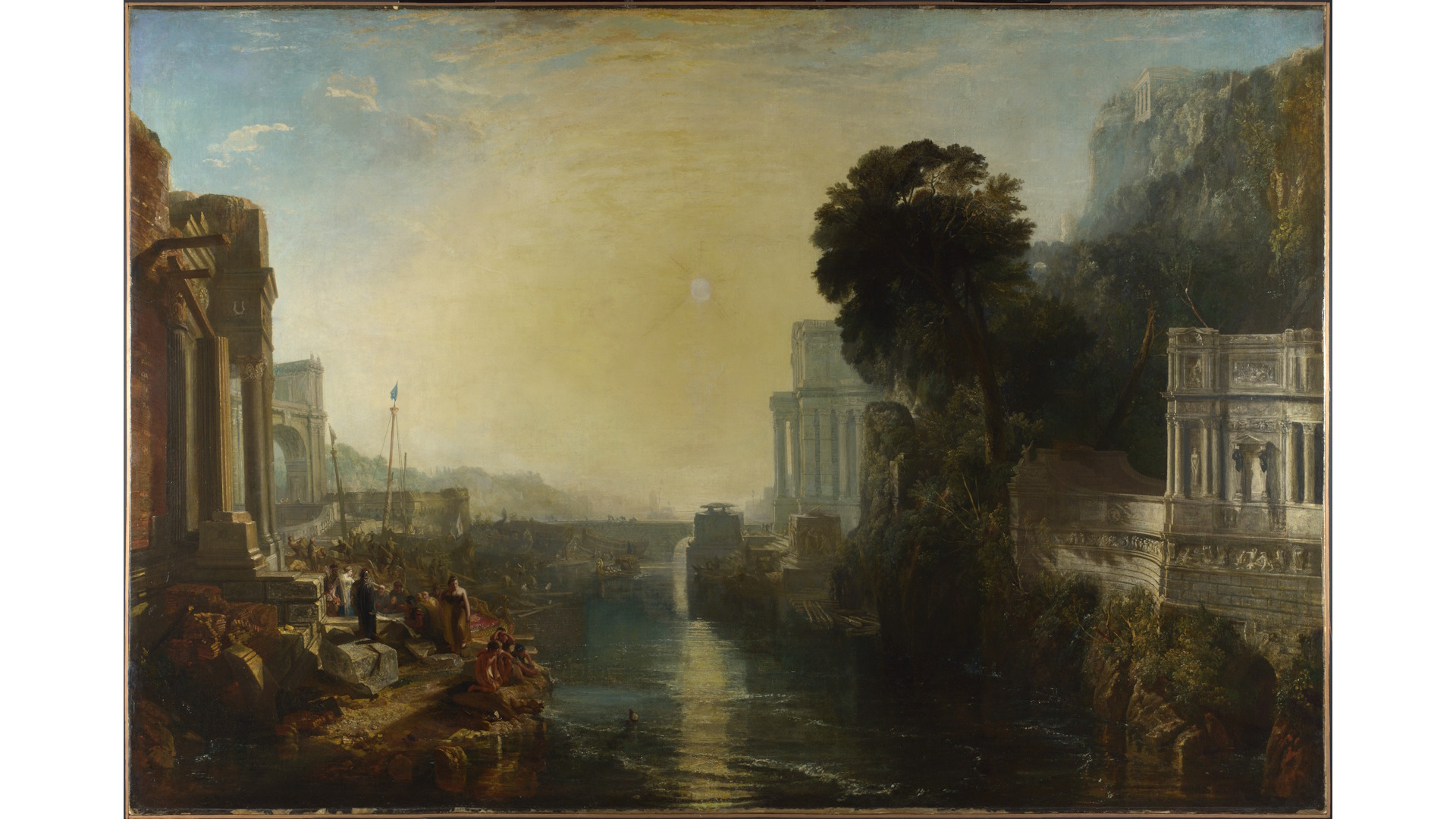
There are so many tiny details that tell stories: in particular, Turner’s classical pictures. We have Dido Building Carthage from the National Gallery put together with our Decline of the Carthaginian Empire. These were painted two years apart, but very much tell a similar story. You look at them and there are tiny details, such as his name written in the side and classical figures that he’s clearly thought about. There’s also a small fragment that looks like one of the Parthenon Marbles, so we think maybe he’d seen this and incorporated it into his painting.
Similarly with Constable… we do tend to think Constable’s paintings are real depictions of the landscape, but the more you look at them they are suffused with messages and nostalgia for a rural landscape that, at that time, was changing. The way churches are a clear focus also speaks a lot about his devout faith.
Both of these artists saw landscape painting as a vehicle for bigger narratives, which is I think why they endure to this day. So many of the things they were thinking about we are also today: the change of landscape and the nostalgia for the countryside, myth and history being a vehicle for the modern day.
Given both are influential artists, what impact did they have on society at the time?
Both were very influential at their time, but in different ways. Turner was seen as an up-and-coming artist very early on. He was elected as an Associate of the Royal Academy at the youngest age he could be, so people very quickly took notice of him. Whereas Constable was a bit slower and the critics took a while to warm to him: he had quite a love-hate relationship.
But they were both very quickly noticed for doing different things to everyone else. While Turner saw himself as being intrinsic in the Academy, Constable thought himself as being an outsider, so it’s interesting how their careers are similar but also different.
Turner had Ruskin to champion him, whereas Constable – when he exhibited in Paris – was quickly accepted as being a champion of this new movement. That’s why the Impressionists loved Constable so much. It’s interesting to see how different factions took them up as being important.
This exhibition focuses on the rivalry between the two artists. How strong was the rivalry in reality?
We can never know for sure what they thought of each other. There are certainly moments when they clashed: the famous moment being over Constable’s The Opening of Waterloo Bridge painting [in the Royal Academy Summer Exhibition of 1832]… Turner came alongside and painted a small red blob on his painting of a ship, and Constable says “he’s been in here and fired a gun!”. We love to talk about this clash.
The critics certainly loved to pit them against each other – as my colleague says in the introduction, “art history loves a rivalry”. They made a perfect rivalry in the press because they were doing very different things, but their core was the same. The press liked to pit them as “fire” and “water”… Constable as “truth”, Turner as “poetry”. But I think it’s almost a sporting rivalry, they were aware of each other, and they had their clashes but ultimately, they both had a respect for each other as artists.
There are moments where they give each other respect. At one point, Constable wrote to a friend saying, “have you ever seen a Turner you didn’t want to own?”. He also said of Turner’s Juliet and Her Nurse, “it was like Turner painted with tinted steam”. So, there are these moments where they saw each other as a rival but also propelled each other to do better. Turner especially saw the Royal Academy as his brothers in arms, so he would have thought of Constable as one of those too.
Turner & Constable: Rivals and Originals is on show at Tate Britain until 12 April.
After seeing the exhibition, why not discover some of the gallery’s best paintings on a Tate Britain guided tour.