

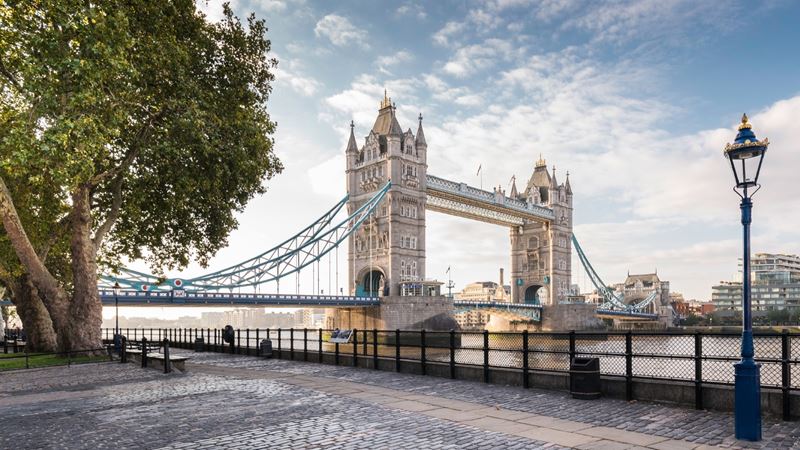
Everything you need to know about Tower Bridge
📍 Where: Tower Bridge Road, SE1 2UP
🚇 Nearest Tube: London Bridge (Jubilee and Northern)
📅 When: Open daily, 9.30am-6pm (last entry 5pm)
⌚ Duration: Approximately 60-90 minutes
🎟️ Tickets: Book tickets for Tower Bridge
London is home to many famous sights, but few are as instantly recognisable as Tower Bridge. Like many people, I had seen countless photos of it and heard plenty about its history, but nothing quite compares to stepping inside, walking the high-level walkways and braving the glass floor suspended above the Thames.
It is no surprise that the experience attracts more than 1 million visitors each year, including many American and German visitors who come to see one of the city’s most celebrated sights up close.
Read on for my full Tower Bridge review and discover why this iconic attraction easily ranks among the capital’s top landmarks.
Tower Bridge review
What to expect from the Tower Bridge experience

On the day of my visit, I decided to take the stairs instead of the lift, and I am glad I did. The staircases double as an exhibition space, guiding you through the bridge’s remarkable construction and the stories of the people behind it.
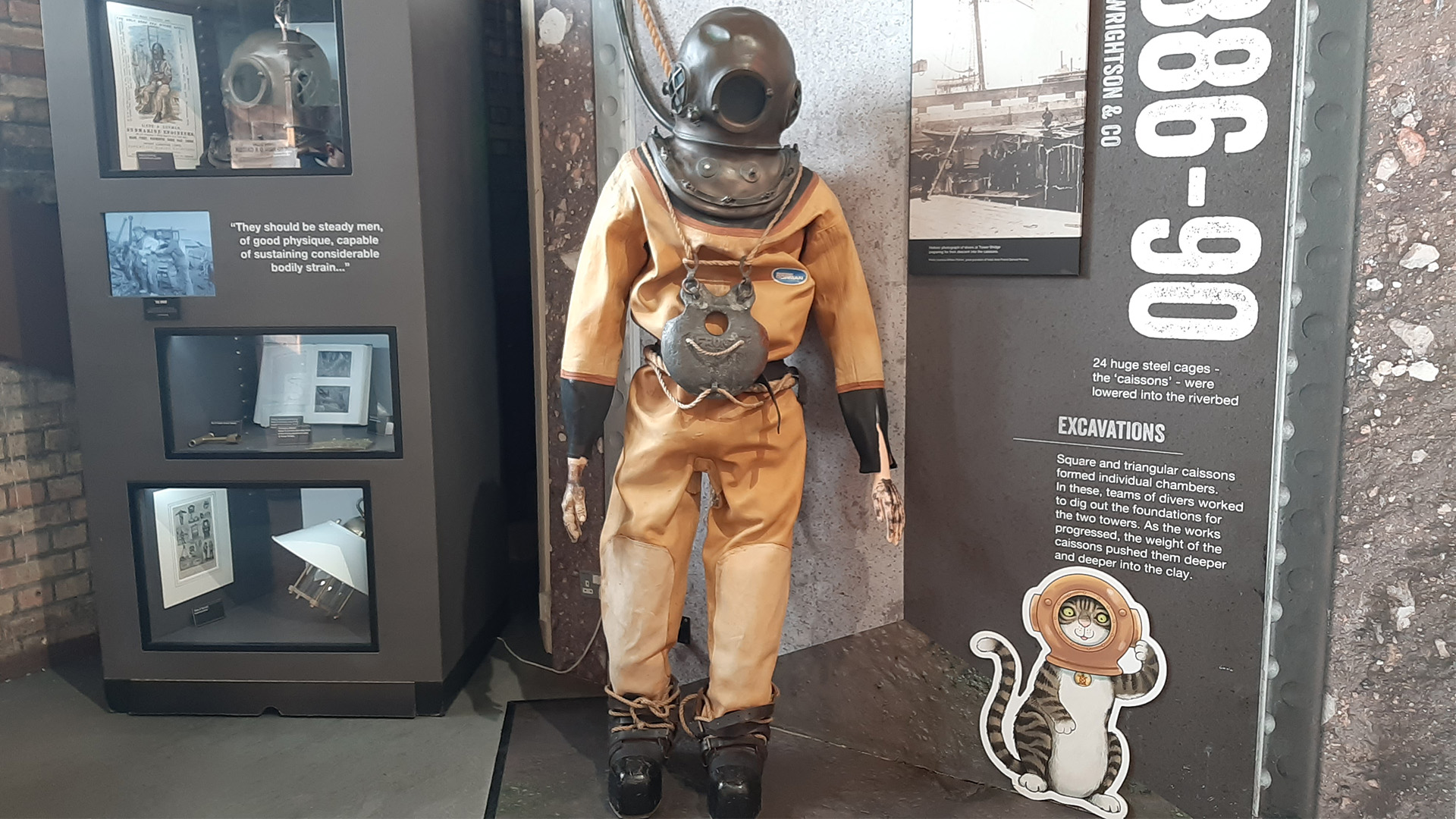
As I climbed, I was surrounded by fascinating details - who built the bridge, how it was constructed between 1886 and 1894, and what life was like for the workers. One standout was a Victorian diving suit, immensely heavy and slightly intimidating. I later learned that these suits were worn by divers digging the bridge’s foundations into the riverbed, one of the most dangerous jobs of the time.
There are also small, human touches woven into the displays. A drawing of a cat revealed that real cats once lived in the engine rooms to control rodents, an unexpected but memorable detail that brings the history to life.
Archival photos line the walls, showing workers balancing on steel beams and reminding me of those famous images from the construction of the Golden Gate Bridge. It is a powerful reminder of the sheer scale and ambition behind the project.
At the top, you will find designs that were once proposed for the bridge. Some look surprisingly futuristic and almost too advanced for Victorian engineering, which makes the final design feel even more impressive.
Don't miss: The blue walkway leading towards the engine rooms, where plaques honour the workers who kept the bridge running over the decades. It’s a thoughtful touch that recognises the people behind the scenes, beyond the designers and architects.
What are the views like from the bridge and glass floor?
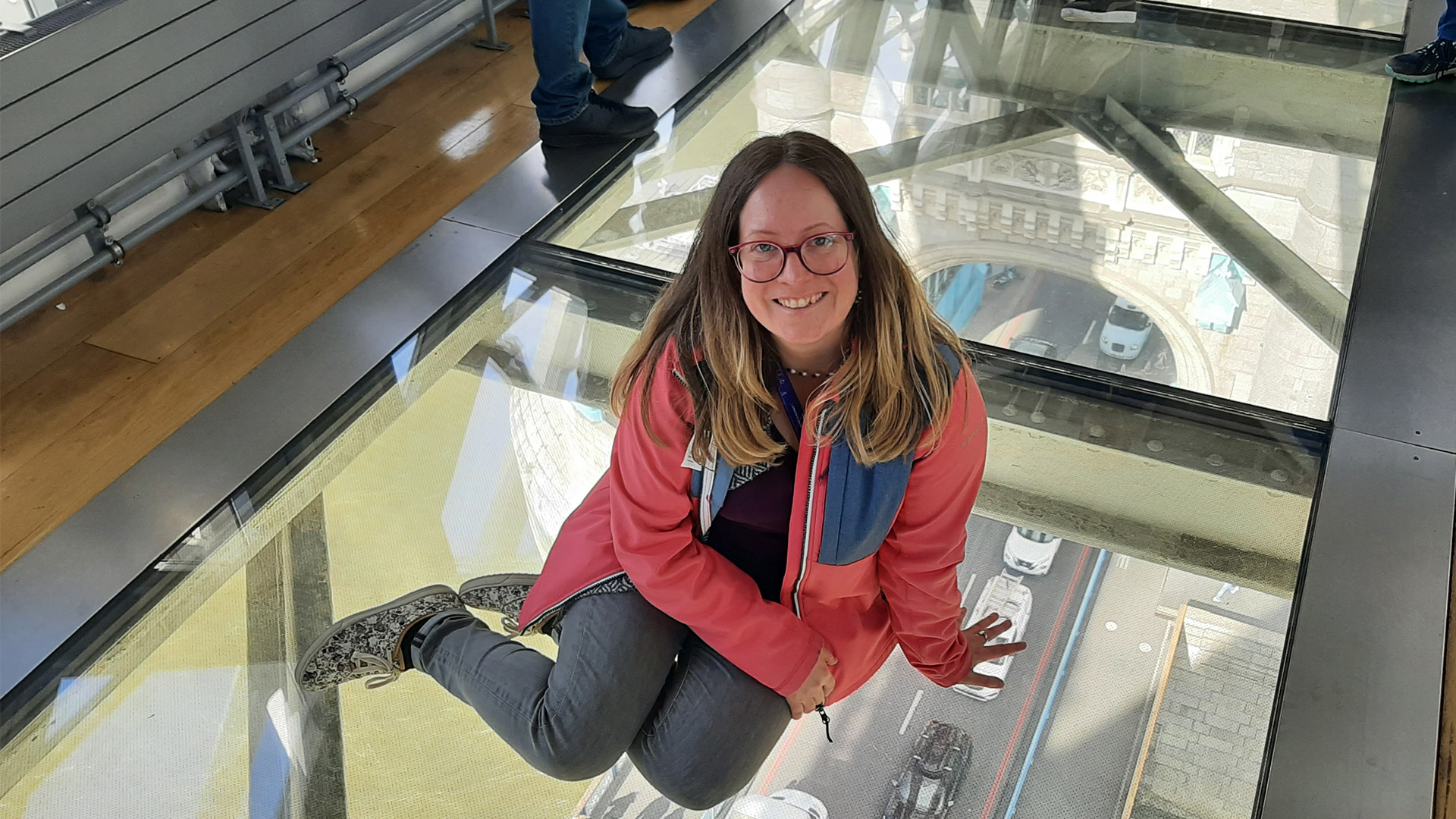
The high-level walkways sit 42 metres (138 ft) above the Thames and offer sweeping views of London’s skyline. From here, you can spot landmarks such as St. Paul’s Cathedral and The Shard, with plenty of windows, some of which even open, for capturing photos. It can be quite windy, so hold on to your phone.
Then there is the famous glass floor, installed in 2014, which lets you look straight down onto the traffic crossing the bridge below.
I will admit that those first few steps felt slightly nerve-wracking, but the feeling quickly fades. Before long, you are fully embracing the experience, whether that means snapping photos, testing your courage or lying down for the perfect shot, as many people do.
A mirrored ceiling in one of the walkways adds another fun element and makes it easy to capture creative selfies from above.
What’s there to see in the engine rooms?
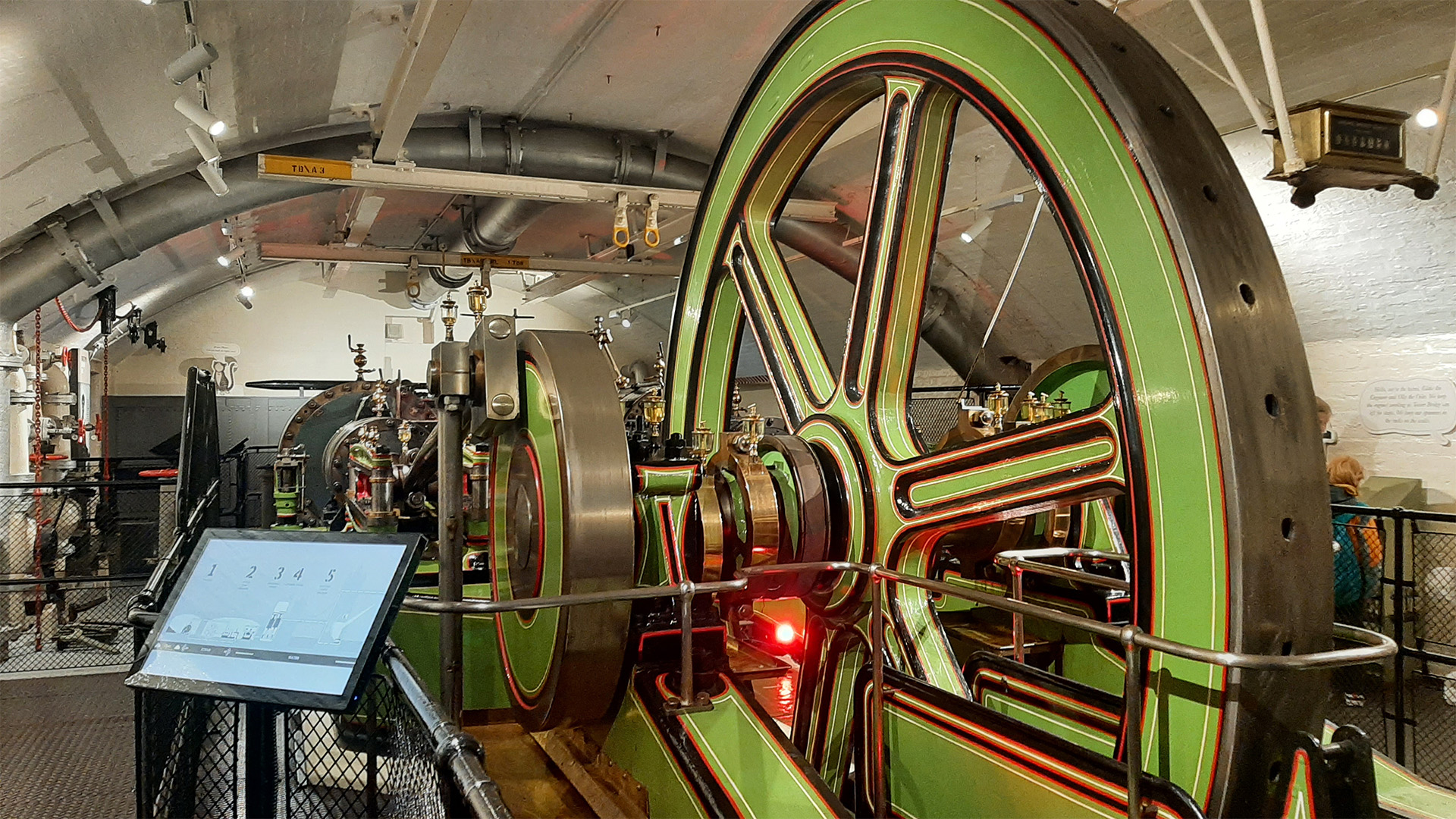
The engine rooms are where the bridge’s story really came alive for me. Here, I found the original Victorian steam engines, coal-fired boilers, and hydraulic systems that powered the bridge lifts from its opening in 1894 until 1976.
Today, the bridge runs on modern electricity, but the preserved machinery remains in place and seeing it up close brought the history to life. The engines are massive, gleaming, and surprisingly elegant with their green and red paintwork, and I was struck by how carefully they have been maintained.
As I moved through the space, the informational displays helped me understand how the bascules, the lifting sections of the bridge, were raised to let ships pass. Watching videos of the bridge in action added another layer of context, and I found myself appreciating not just how it works, but the ingenuity behind it.
Is it worth it?
Absolutely! Visiting Tower Bridge is about much more than ticking off a famous landmark or snapping a photo on the glass floor.
What makes the experience stand out is its focus on people – including the engineers, labourers and everyday workers who brought the bridge to life and kept it running.
You leave with a deeper appreciation not just of the structure itself, but also of the human effort behind it.
Book your tickets to Tower Bridge now to experience this historic monument first-hand.