
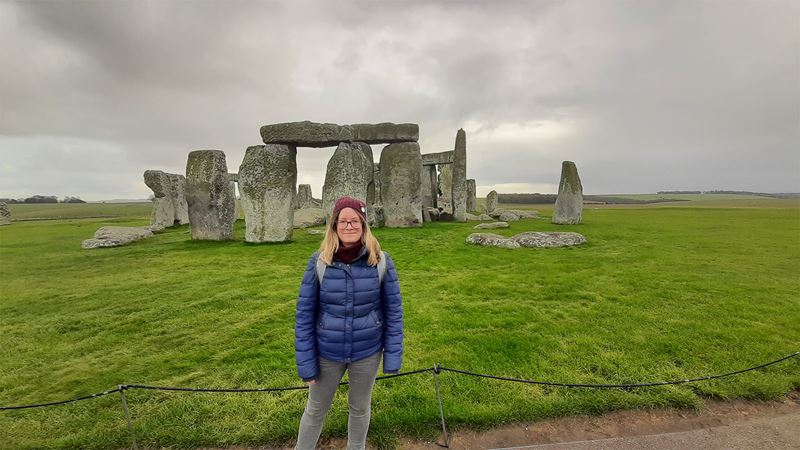
Even though I’ve lived in London for more than a decade, I’ve never managed to see Stonehenge up close. Sometimes, while exploring other parts of the country, I’ve passed by and glimpsed this majestic stone circle, and always knew I wanted to experience it properly. Pictures and VR experiences simply don’t do it justice. Nothing compares to seeing it with your own eyes.
It’s the most famous stone circle in the world, attracting on average 1.3 to 1.4 million visitors per year. That’s an astounding number, and I wanted to find out what all the fuss was about. Which origin theory sounds most reasonable to you? Did it serve as a temple? As a burial site? Or did the wizard Merlin build it?
Morning departure from London to Stonehenge
Check-in took place at 8.15am on a Friday morning, with the usual chance of rain. We boarded the bus near Victoria Station at the designated bus stop 8.
Once I settled into my seat, we experienced a slight delay while waiting for two late passengers. I took the chance to get comfortable and have some food, before we finally set off toward Stonehenge.
Arrival at Stonehenge and the Stone Circle
When we arrived, we first saw the Visitor Centre, located about 1.5 miles from the stone circle.
We could choose between walking the scenic route or taking the shuttle. We opted for the shuttle to save time. The free service brought us within minutes of the Neolithic stone circle.
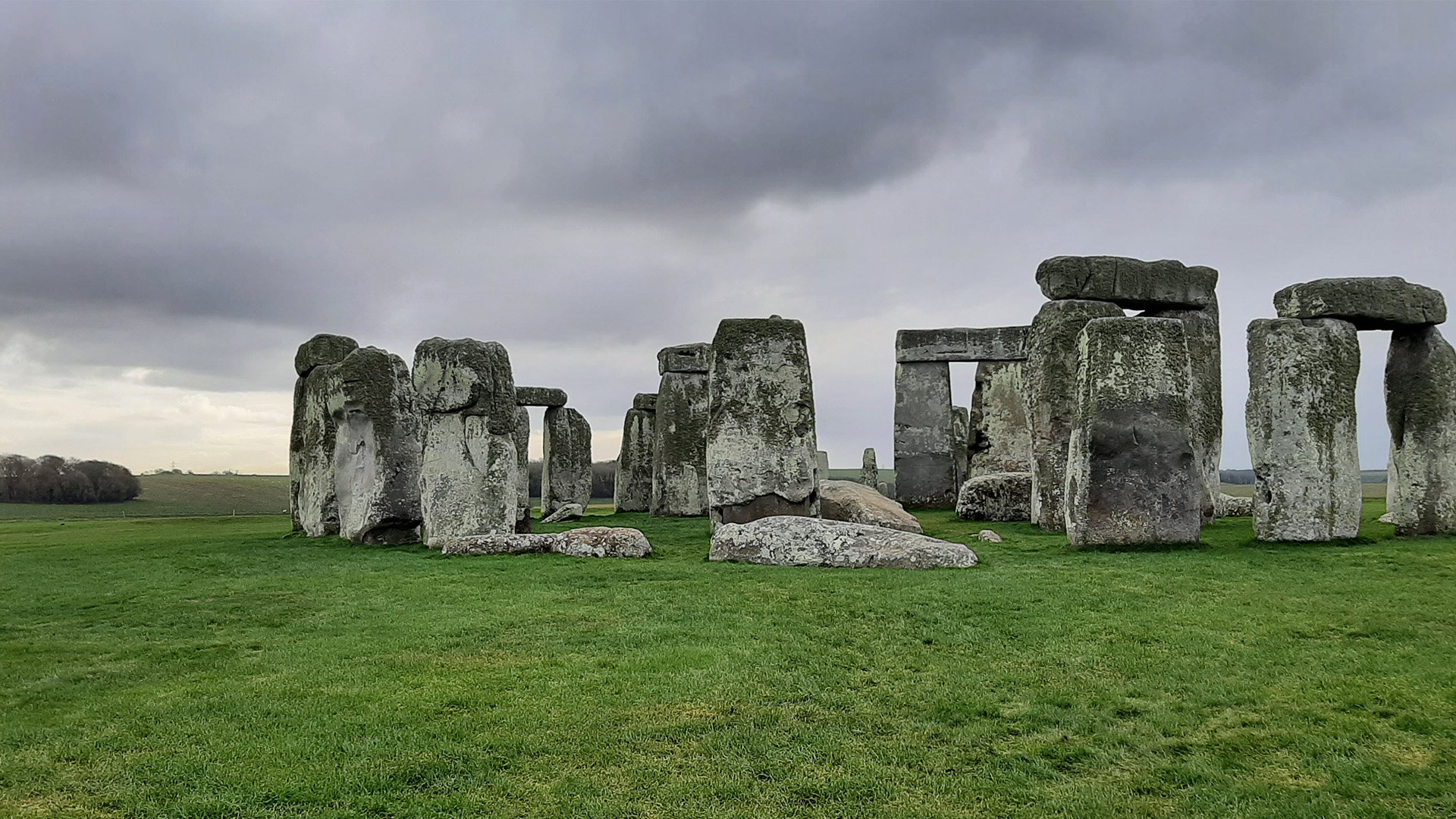
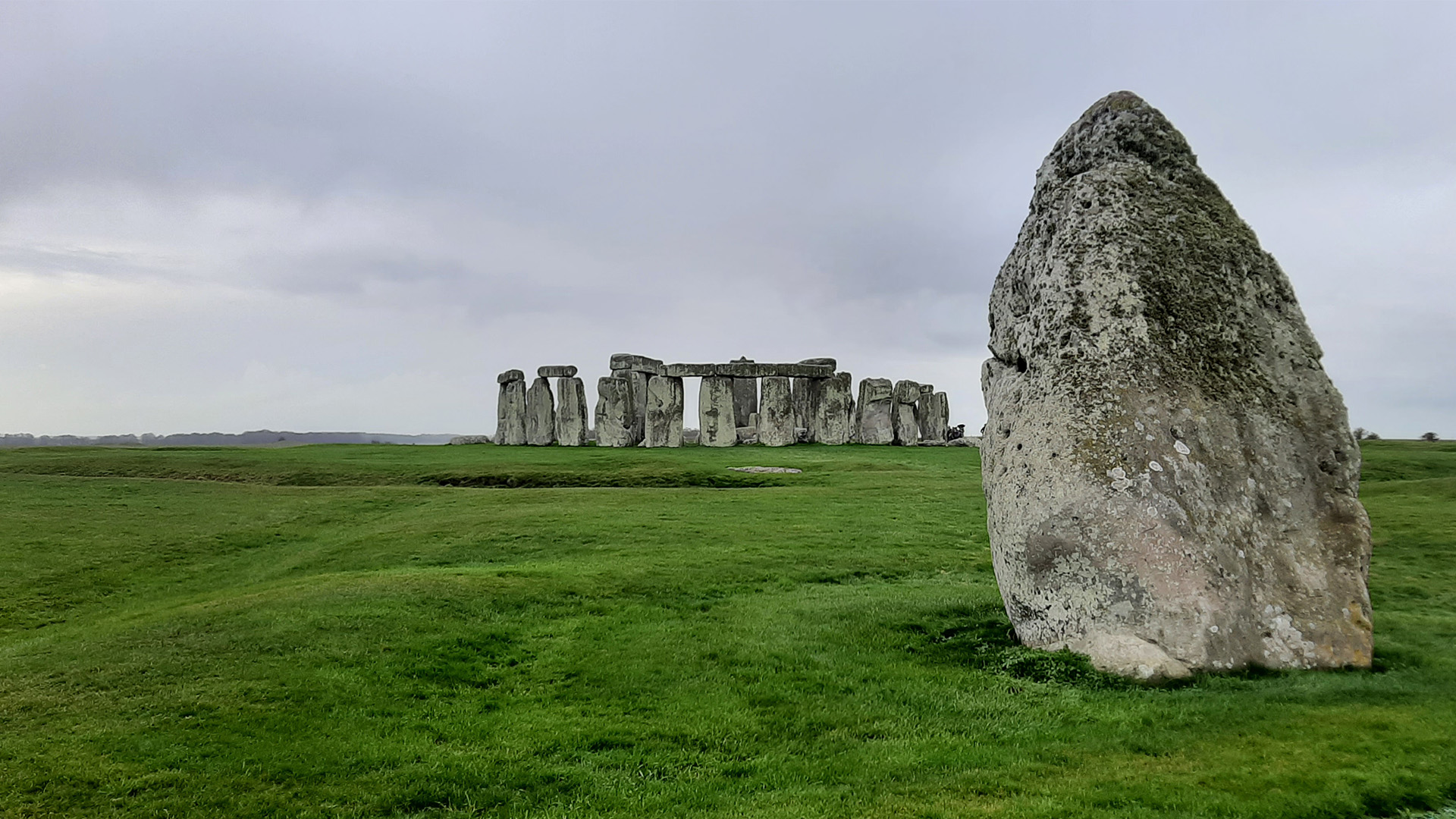
After a short walk, I finally saw the stones up close. I didn’t mind that visitors must stay on the designated path and can’t touch the stones. Being close enough to see them clearly and take some great photos felt more than enough. The driver’s earlier explanations helped bring the site to life, especially the theories about its purpose – from astronomical alignment to ceremonial or spiritual significance.
Onsite displays with images and text explained that Stonehenge likely served as a prehistoric temple or ceremonial centre, according to archaeologists, and that its builders aligned it with the movement of the sun.
I wondered how people at the time achieved such craftsmanship without cranes or motorised vehicles. The sheer muscle power required to move even one of those massive stones must have been incredible. I imagined teams of horses pulling each one.
I noticed that some stones connect with horizontal lintels on top. You can clearly see that many pieces are missing, and I found myself imagining what the circle looked like when it stood fully intact.
While I took more pictures, the rain started – typical for a day out – so we decided to head back to the Visitor Centre.
The Visitor Centre and a Neolithic village rebuild
After returning via shuttle, we walked through the Stonehenge exhibition at the Visitor Centre, which is filled with artefacts and information about Stonehenge and the Neolithic era.
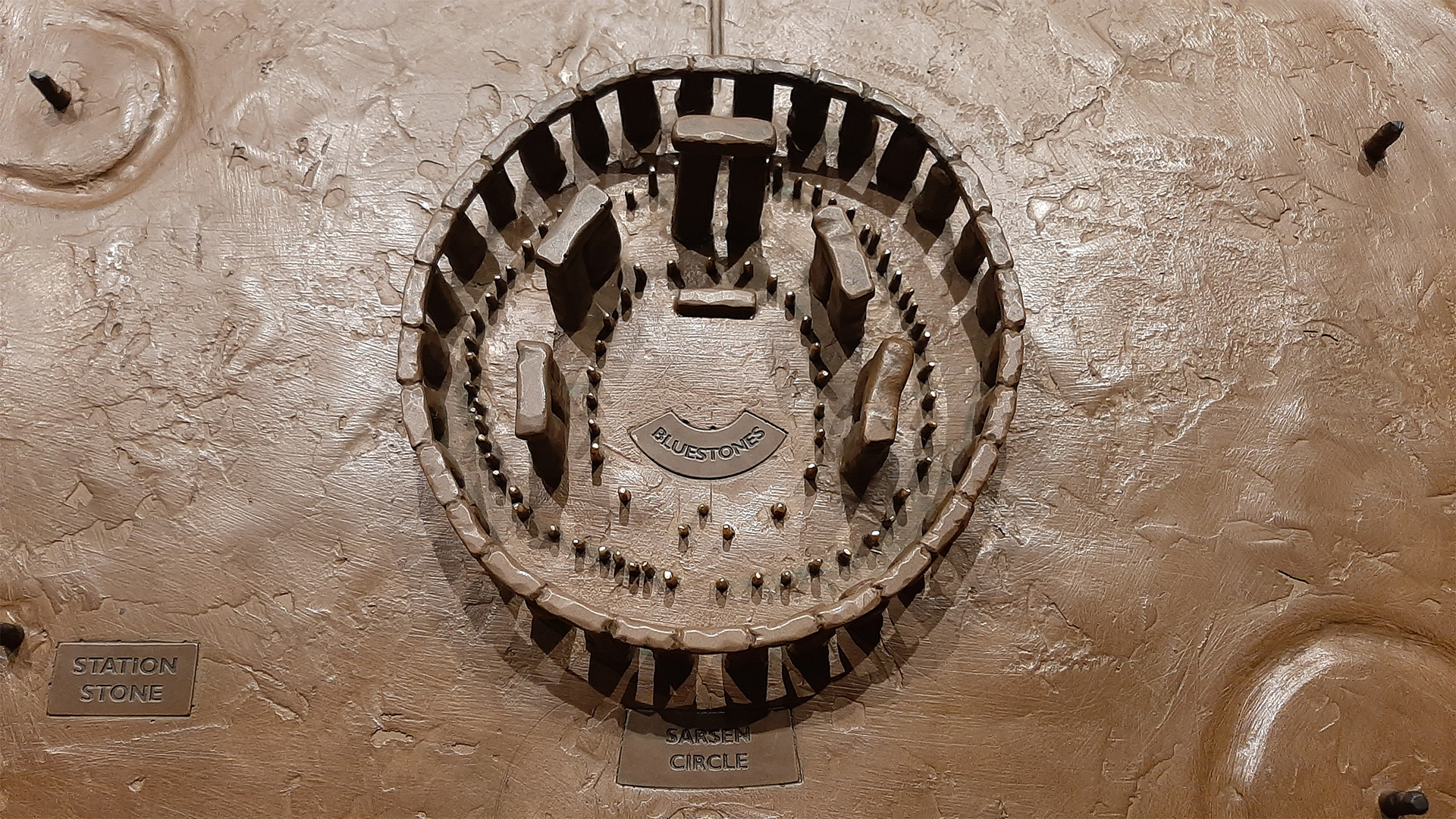
Miniature reconstructions of Stonehenge helped me visualise what the site looked like in the past. The exhibition displayed animal and human bones, tools, jewellery, pottery, reconstructions of Stonehenge and more. A timeline showed the stages of Stonehenge’s construction and findings from past excavations.
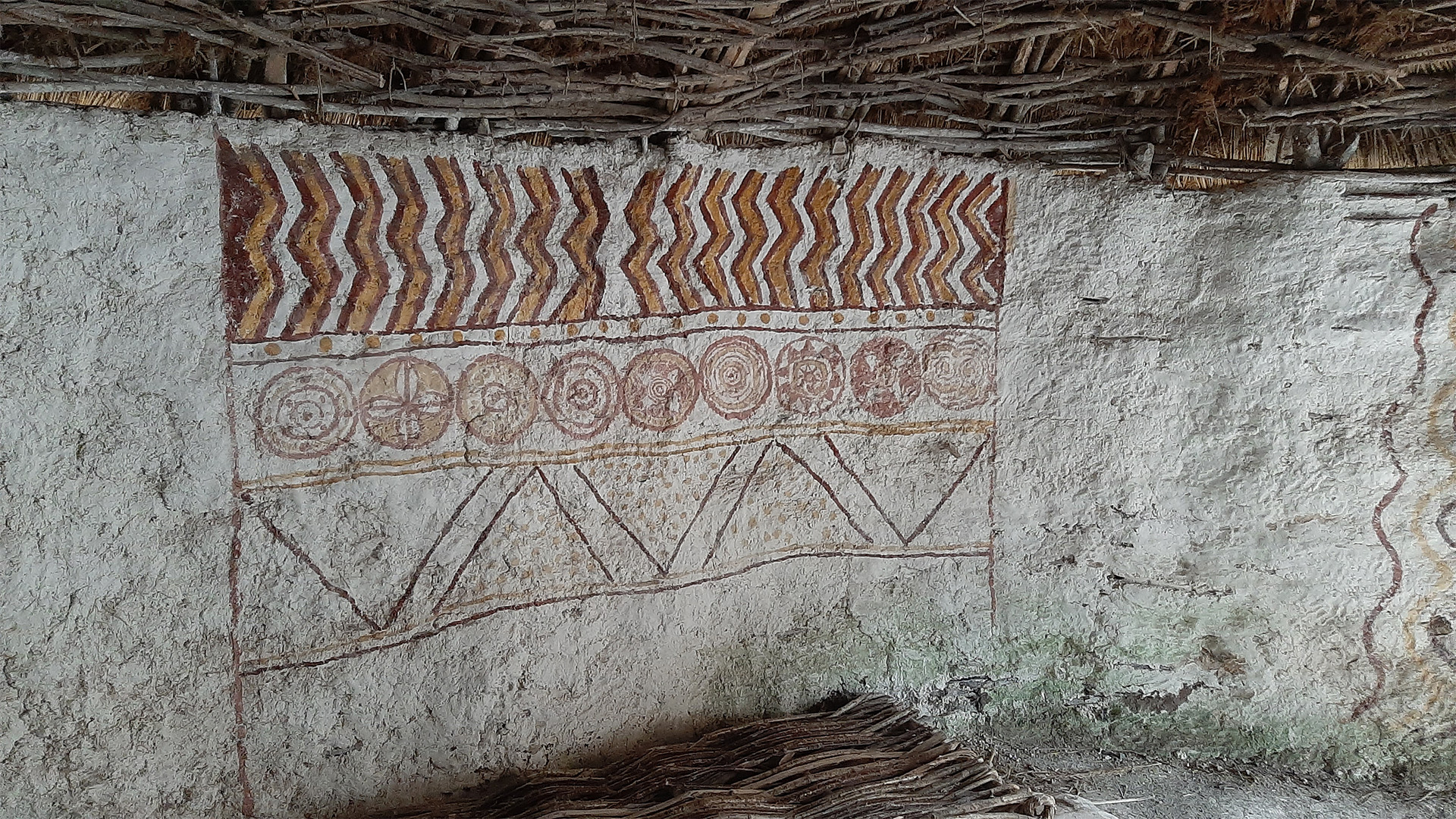
Outside the exhibition, we explored reconstructed Neolithic huts from around 4,500 years ago. Each hut featured a central fireplace, simple wall paintings that may have served as decoration, and a straw-thatched roof.
The café in the Visitor Centre offers plenty of space and a great selection of food including Cornish pasties and hot and cold beverages. The gift shop sells a wide range of Stonehenge-themed items like key chains, lollies, fridge magnets, bottle openers, along with other souvenirs, clothing and books.
Knowledgeable driver
During the journey to and from Stonehenge in a warm and comfortable coach, the driver shared fascinating facts about famous Londoners and buildings we passed en route. He also talked about the blue plaques – which celebrate important historic individuals and link the past to the present – and encouraged us to read them whenever we spot them, as they often reveal surprising stories.
All the extra information he provided made the journey far more interesting than I anticipated. The historical snippets he added to my journey gave the trip even more depth.
Each part of the tour offered a wonderful experience, and it’s a great way to learn more about history in an engaging and enjoyable way.
Whether you want to explore the mythical aspects of ancient ruins, admire the architectural brilliance of ancient structures, or simply think the Neolithic stone circle looks cool, the Simply Stonehenge tour is the right choice for you. We also have a blog on the Blue Plaques of London if you’d like to learn more about them.