

Everything you need to know about the Quentin Blake Centre for Illustration
- 📍 Where: 1 Myddelton Passage, EC1R 1AG
- 🚇 Nearest tube: Angel (Northern)
- 📅 When: Wednesday to Sunday, 10am-5pm
- 🎟️ Price: Paid exhibtiions start from £15 for adults – some spaces are free to use
- ⏱️ Visit duration: We recommend allowing 2-3 hours to explore the entire centre
- 👥 Who is this for?: Art lovers, families, aspiring illustrators and visitors looking for an inspiring cultural day out
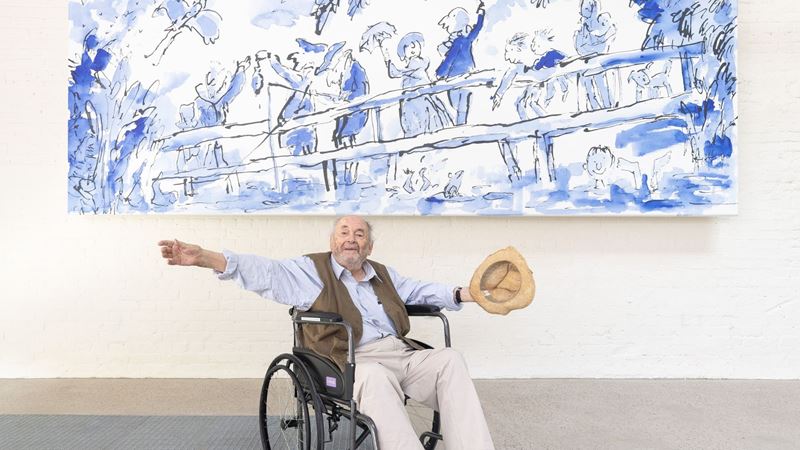
If, like me, you grew up consuming the work of Roald Dahl then you will be no stranger to the brilliant illustrations of Quentin Blake. His whimsical drawings bring intriguing tales to life, through expressive line work and distinctive blends of watercolour. But behind those seemingly effortless drawings lies extraordinary skill, which visitors can now appreciate up close.
For the first time, you can explore a space dedicated entirely to the craft. Although there is a gallery devoted to Blake, this is more than a museum dedicated to one artist. It is a space that celebrates and showcases some of the most exciting talent in illustration today.
I took a first look at the Quentin Blake Centre for Illustration before it opens to the public on Friday 5 June 2026.Here are my highlights from the experience and top tips ahead of visiting.
What is the Quentin Blake Centre for Illustration?
A new spot for creatives and the artistically curious alike, the Quentin Blake Centre for Illustration has landed in London and is the UK's first public centre dedicated to illustration.
Founded following Quentin Blake’s long campaign for a national illustration centre, the venue has made its permanent home in the beautifully restored New River Head waterworks in Clerkenwell. Once falling into disrepair, the historic site has been given a new lease of life as the Quentin Blake Centre for Illustration. With its open-plan rooms and limited windows (in all the right places), the building and its new purpose feel perfectly matched.
The space boasts several intimate spaces dedicated to storytelling through creative communication. The paid galleries, library, creative areas, cafe, gardens and shop are as individual as they are cohesive.
The library, which is free to enter, is a fantastic place to start. The clean, welcoming space feels more like a contemporary library than a traditional museum. Visitors can thumb through books of every kind that fill the sweeping shelves, from manga and graphic novels to Quentin Blake biographies.
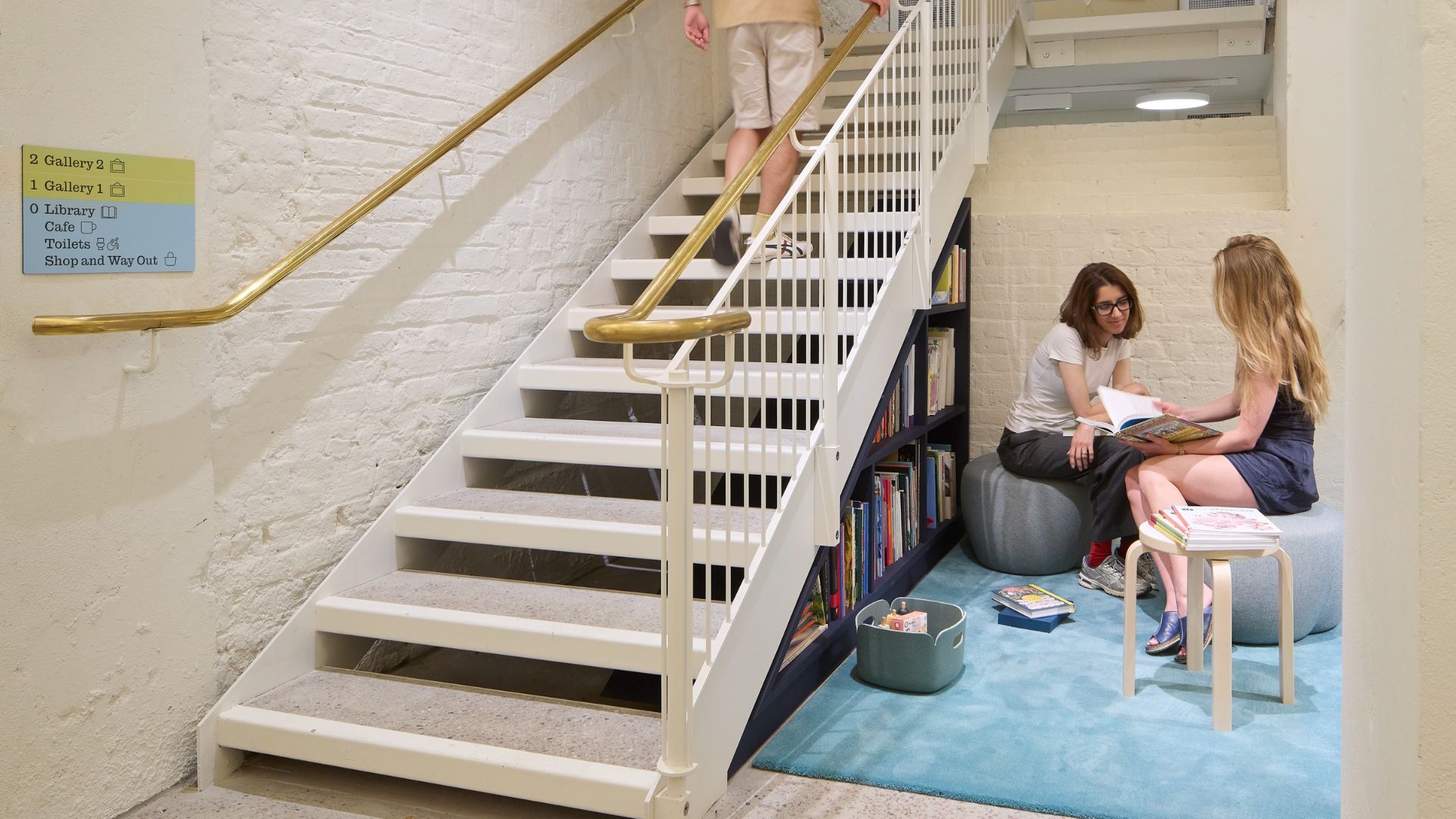
Families will love the reading corner, complete with children's books and comfortable seating. Situated next to the interactive drawing wall, it's a space designed to encourage creativity. Pull up a chair, create your own masterpiece (using the storyboard prompts on the wall if you'd like) and add it to the growing display of visitor artwork.
Beyond the books, interactive displays exploring printmaking techniques encourage visitors to engage with illustration beyond the page, including tactile lino printing materials that can be touched and examined up close. There's plenty here to help visitors immerse themselves in the world of illustration ahead of exploring the main galleries.
What exhibitions are at the Quentin Blake Centre for Illustration?
The centre opens with three exhibitions across three different galleries, each offering an opportunity to learn and be inspired. Here are some of my highlights.
MURUGIAH: Ever Feel Like… (5 June to 31 August 2026)
MURUGIAH: Ever Feel Like... is a gallery that demonstrates illustration as contemporary art and self-expression. Bright colours draw visitors in before revealing deeper themes around identity, belonging and life's challenges that many visitors will relate to.
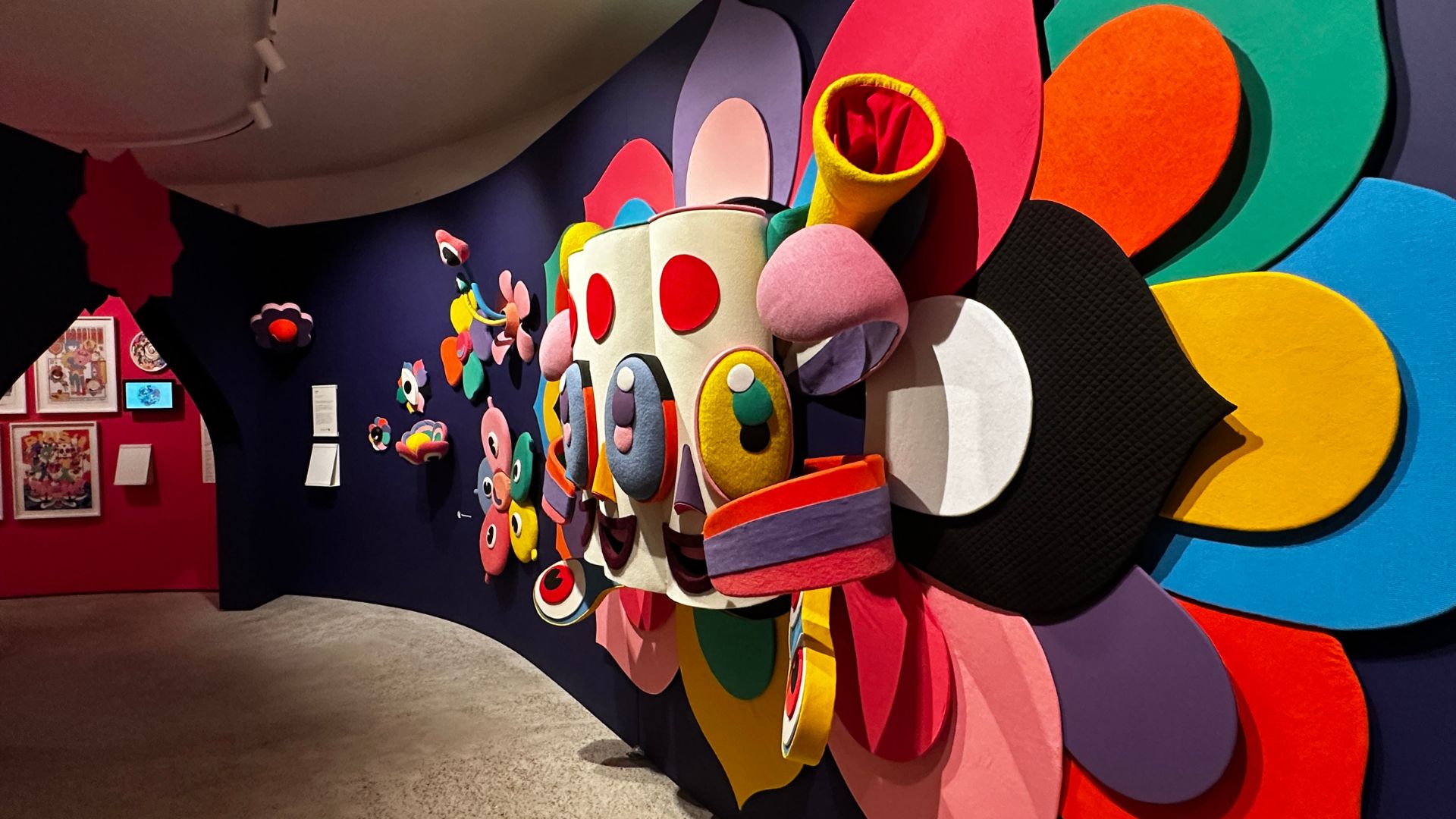
As I made my way upstairs from the library to the gallery, MURUGIAH’s MURU mask piece stopped me right in my tracks. Striking colours, intriguing shapes and interesting materials immediately sparked curiosity about what else the artist has conjured. This is his first solo exhibition, and it is certainly set to make an impact.
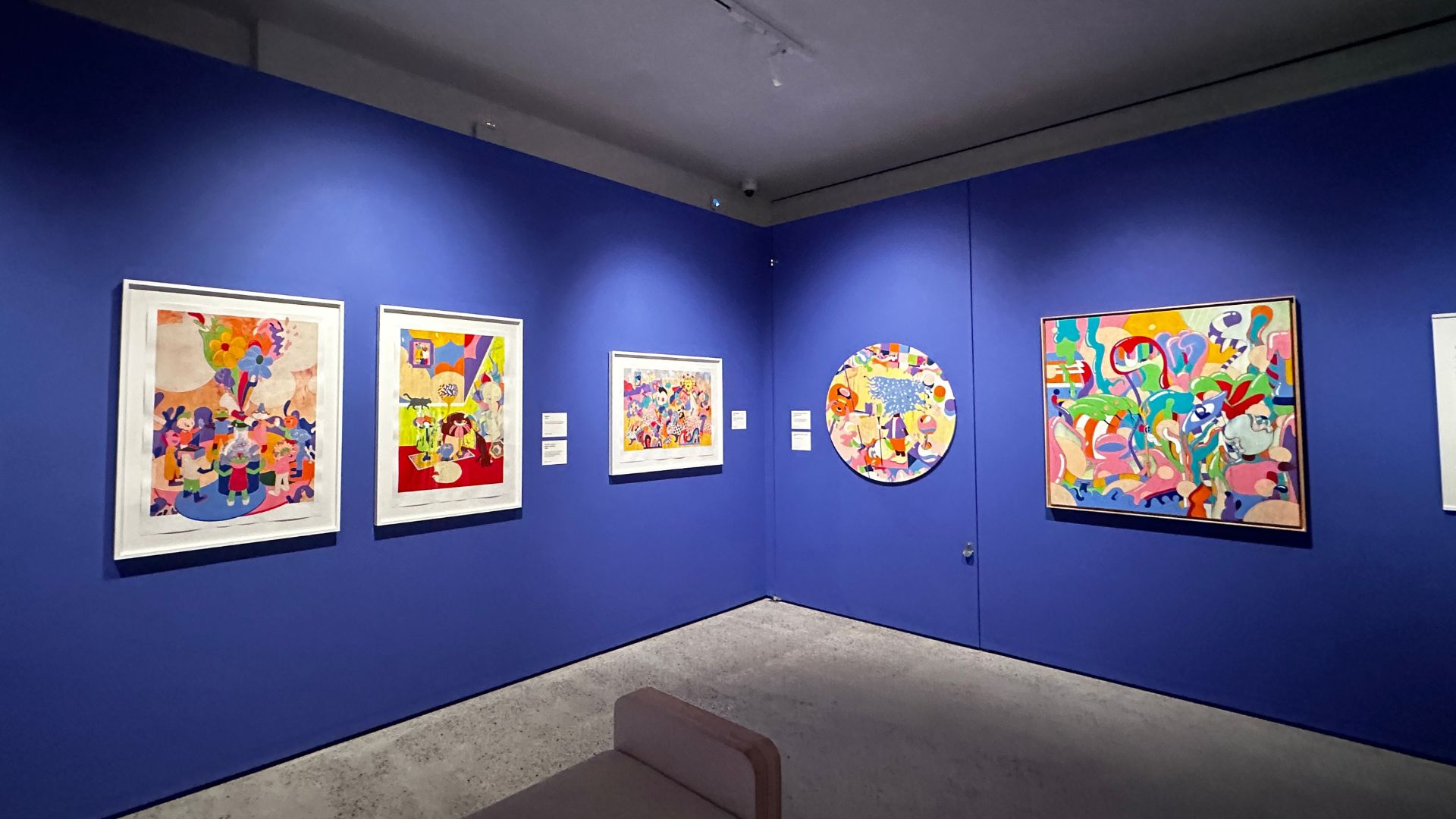
The show is a mix of personal exploration, showcasing important moments in his life, and feelings that he wanted to express through his art - drawing on his Sri Lankan heritage, Welsh upbringing and external pop-culture influences such as growing up on pop punk (spot the Blink 182-inspired piece) and playing Nintendo.
The second half of the exhibition explores his commercial ventures. He has collaborated with everyone from big brands such as New Balance to world-famous bands. Most recently, working with the Foo Fighters to create out-of-this-world Paris tour posters.
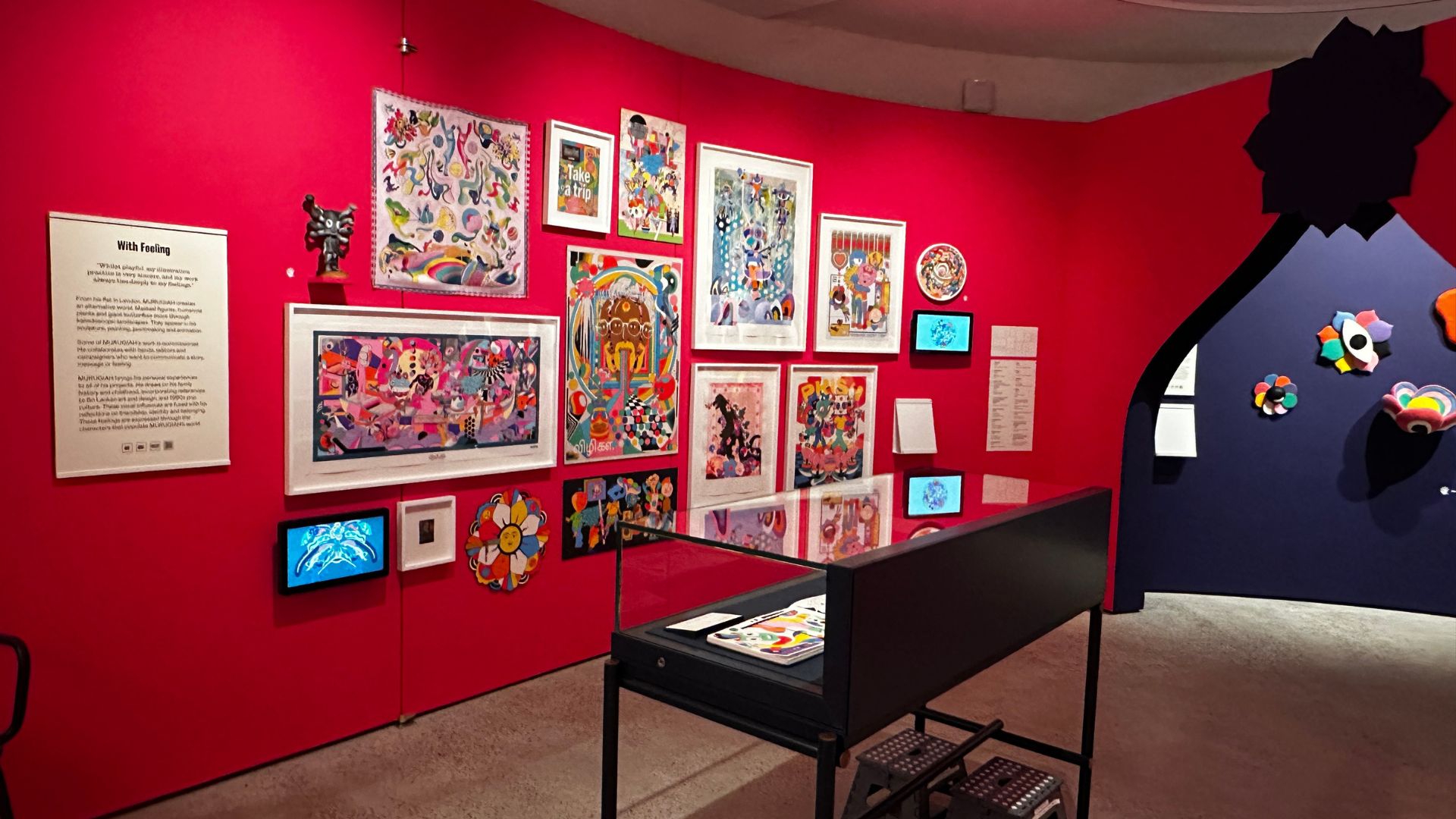
Chatting with MURUGIAH, a highlight in his collaborations so far has included Refugee Week. Workshops were held with refugees, where key themes around compassion, taken from personal stories and reflections, were transformed into visuals, creating a vibrant celebration of community.
MURUGIAH works across various media, but one particularly interesting aspect of the exhibition is the opportunity to transform work that had previously only existed digitally into something physical and tangible. As he explained, some pieces "don't make it out of the screen", making this a rare chance to experience them in a completely new way.
Quentin Blake: Performance (5 June 2026 to 1 April 2027)
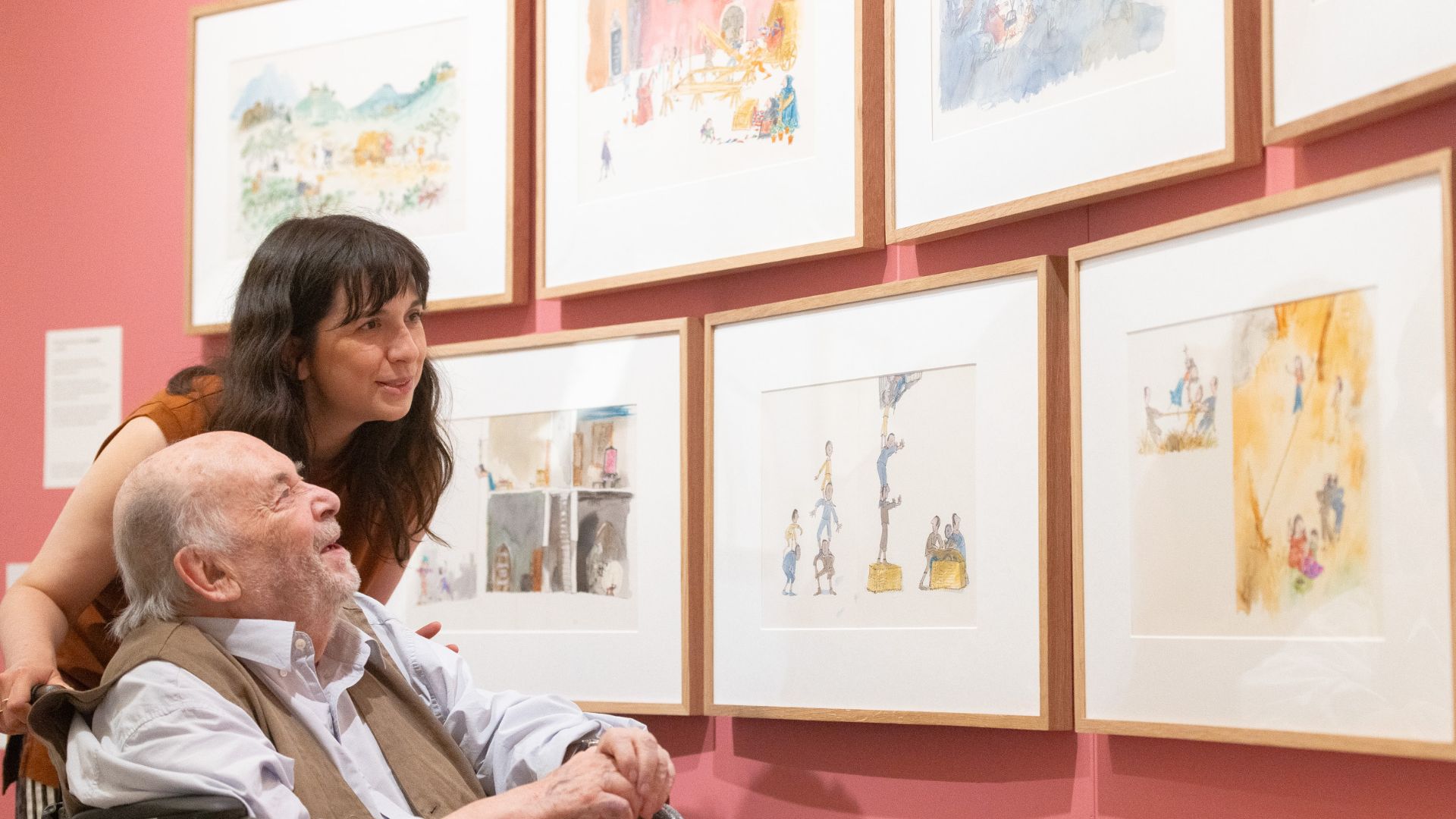
Fans of Quentin Blake will want to really take their time here. Not only are you introduced to what the artist creates, but how. There’s something familiar here. Perhaps it's because so many of us grew up with Roald Dahl's books, but there is a level of nostalgia and appreciation that spans multiple generations.
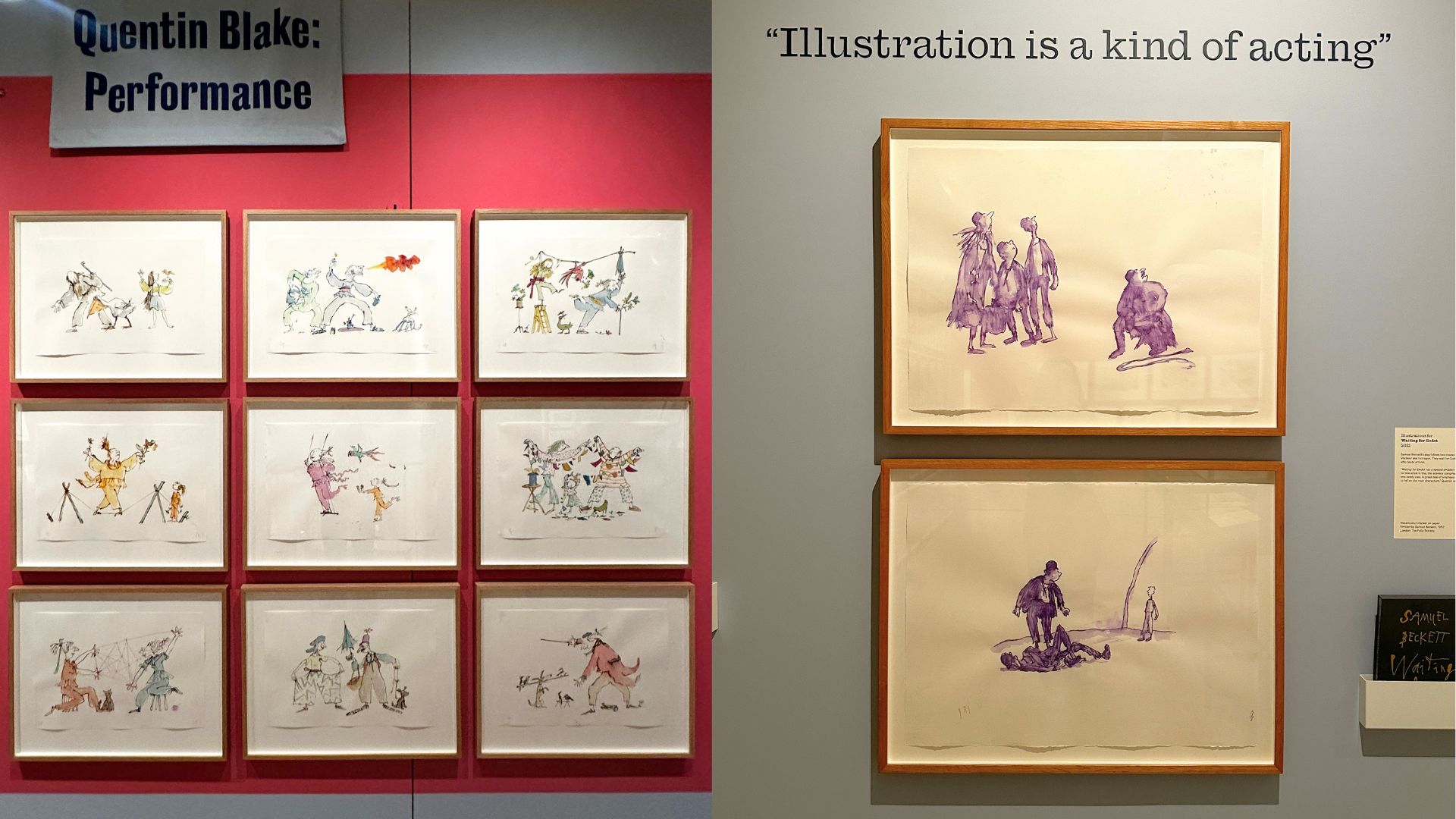
Quentin Blake: Performance explores how he was influenced by theatre – from puppetry and plays to circus performance and his work for Punch magazine.
I’m particularly drawn to the wall of painted circus performers, where characters are brought to life through intricate details. I find the reds and oranges that pour out of a fire breather rather impressive, and his attention to detail perfectly captures the spirit of the performers.
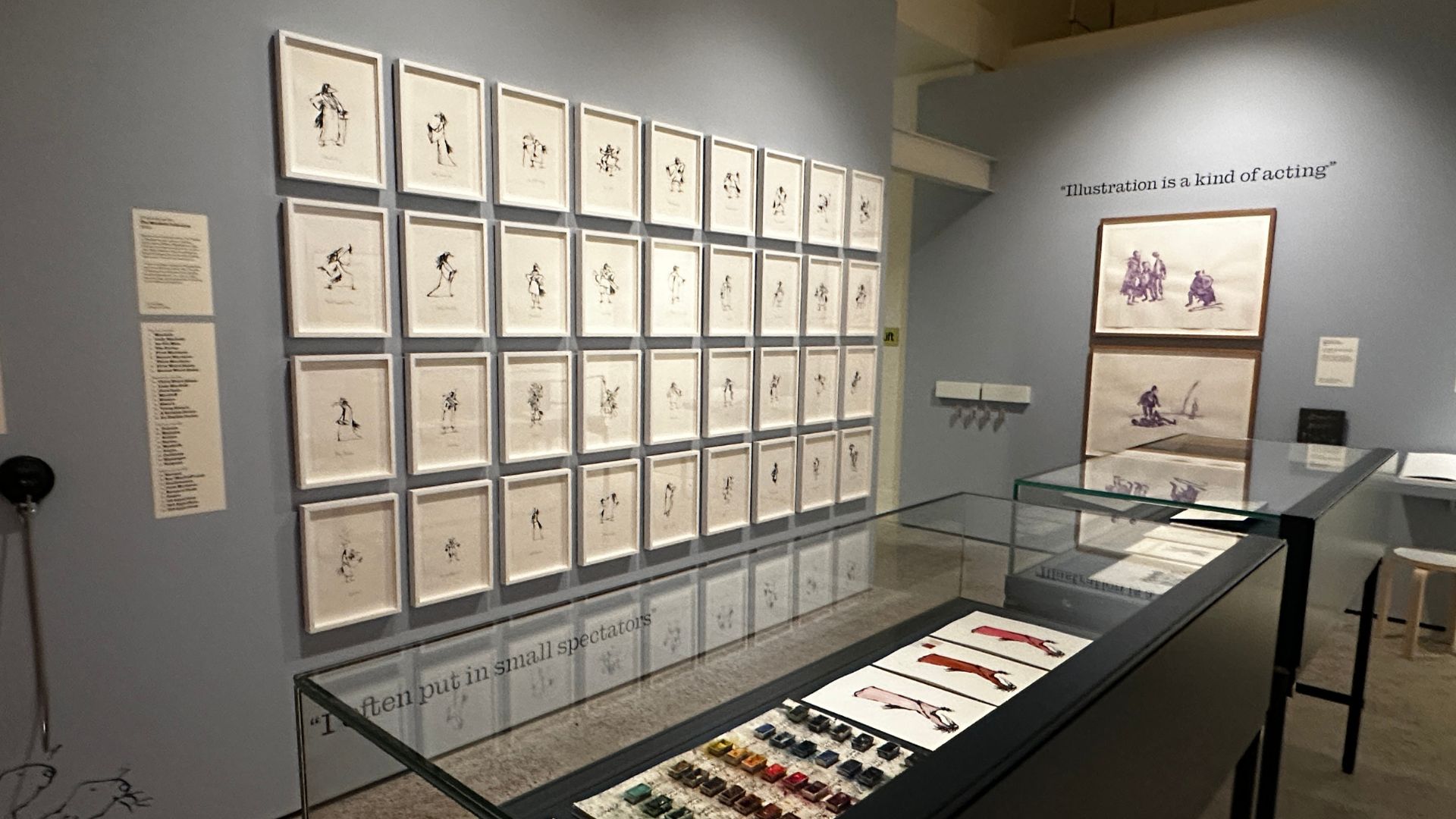
This is also evident in a display of some of his recent illustrations of Macbeth (2023), whereby characters have been portrayed in bird form, offering a fresh take on recognisable figures and demonstrating how he channels his unique creativity.
Visitors are drawn into the creative process, from how he uses his watercolour palettes to sketchbooks that hold evolving storyboards. One display reveals how Clown gradually transformed into a wordless story, while The Young Performing Horse perfectly demonstrates the journey from concept to completion through storyboards and final artwork displayed side by side.
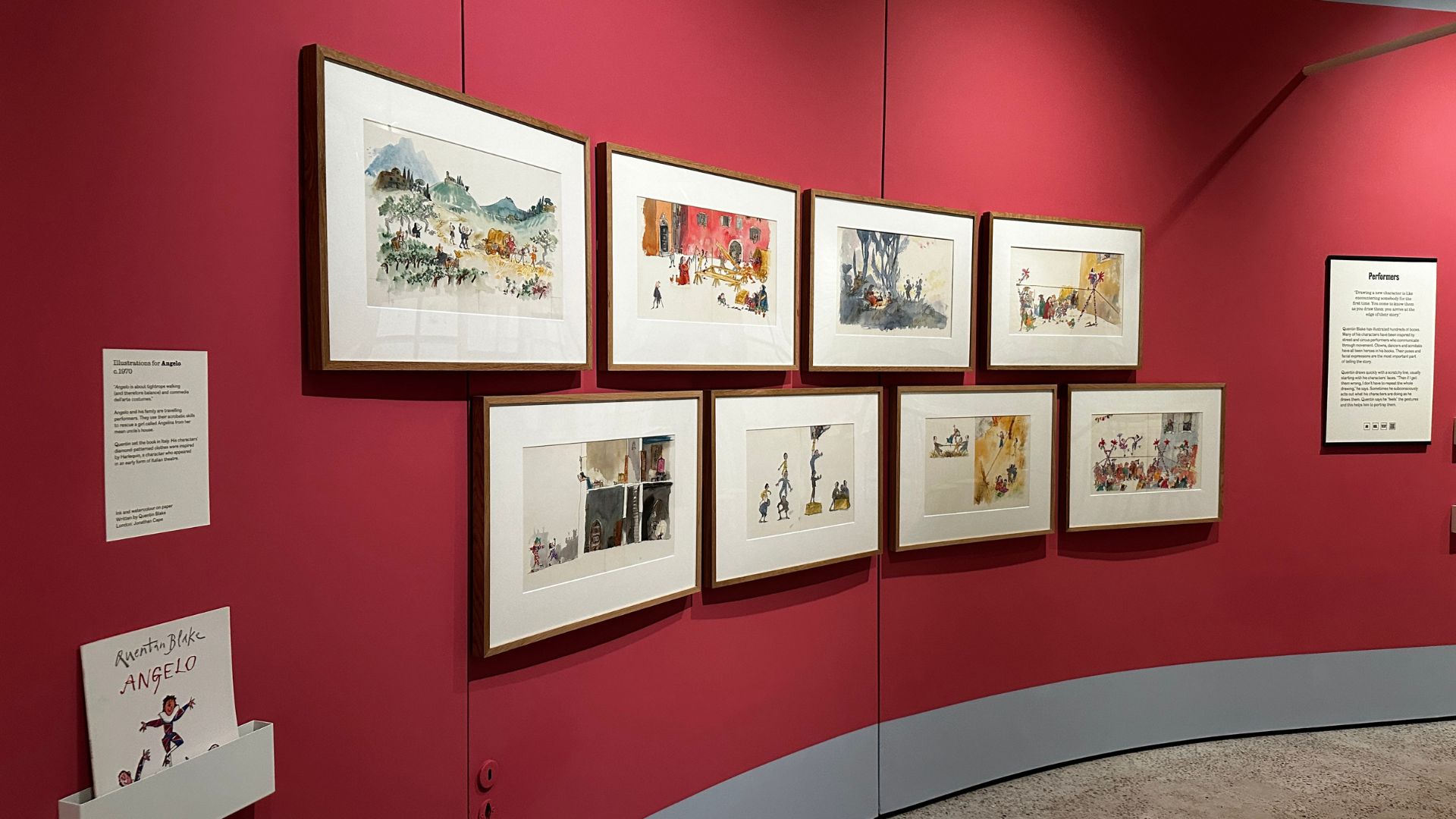
What’s lovely about this space is that original drawings are accompanied by copies of books, including Roald Dahl's beloved 1978 story The Enormous Crocodile (inspired by the crocodile from Victorian Punch and Judy shows) and Angelo, the joyful tale of a family who are also a travelling band. There are also sketchbooks that are not just on display, but that you can thumb through – look out for the signs to know where you can get interactive. Multimedia displays include video and audio, and visitors can scan QR codes for a more in-depth insight into selected works.
Gallery 3 – Queer as comics (5 June 2026 to 4 October 2026)
This Queer as comics gallery is where visitors will get an insight into how comics and illustrations can be used to send a message and represent those who are often marginalised in society. This space is more like an archive and reading room, showcasing the history of queer publishing.
Highlights include the work of the influential Kate Charlesworth, whose Plain Tales From The Bars strips appeared in the free queer newspaper The Pink Paper. Alongside Ian David Baker's The Gay Scene, Number 2 – The Gay Pub for the magazine Mister. A topical series that would cover overheard chatter from London's gay scene. Both using humour and honest storytelling to communicate the importance of these spaces.
Another piece not to be missed is Dragman by Steven Appleby. Drawing on the superhero metaphor, Dragman gains his superpowers from wearing women’s clothing but, like Superman and Spider-Man, his identity must be kept a secret – kept separate from the day-to-day life he presents to the world. It’s a powerful and creative exploration of identity and the limits of self-expression in a world where not everyone will understand how you step into your power.
This exhibition isn’t simply about comics; it’s about how communities have used illustration to document, resist and connect.
My top tips for visiting the Quentin Blake Centre
Discover my top tips on things I think you should know before you go:
- Start with the library: It’s free to enter and offers a great introduction to the world of illustration, especially for younger children.
- Plan your journey: Around a 10-minute walk from Angel Tube station, the site is tucked away down Myddelton Passage, which can be easy to miss. Once you spot the Shakespeare's Head pub turn left and you’ll find the black gates on the left at the end of the road.
- Give yourself at least two hours: There’s more to explore than you might expect, and the garden is a nice spot to relax on warmer days.
- Make use of the lockers: The gallery spaces are sizeable but may be hard to navigate with large bags and multiple buggies. Use the storage space available for a more relaxed experience.
- Chat to the volunteers: Not only do they know their stuff, but they’re also passionate about the centre so you'll get some fun insights.
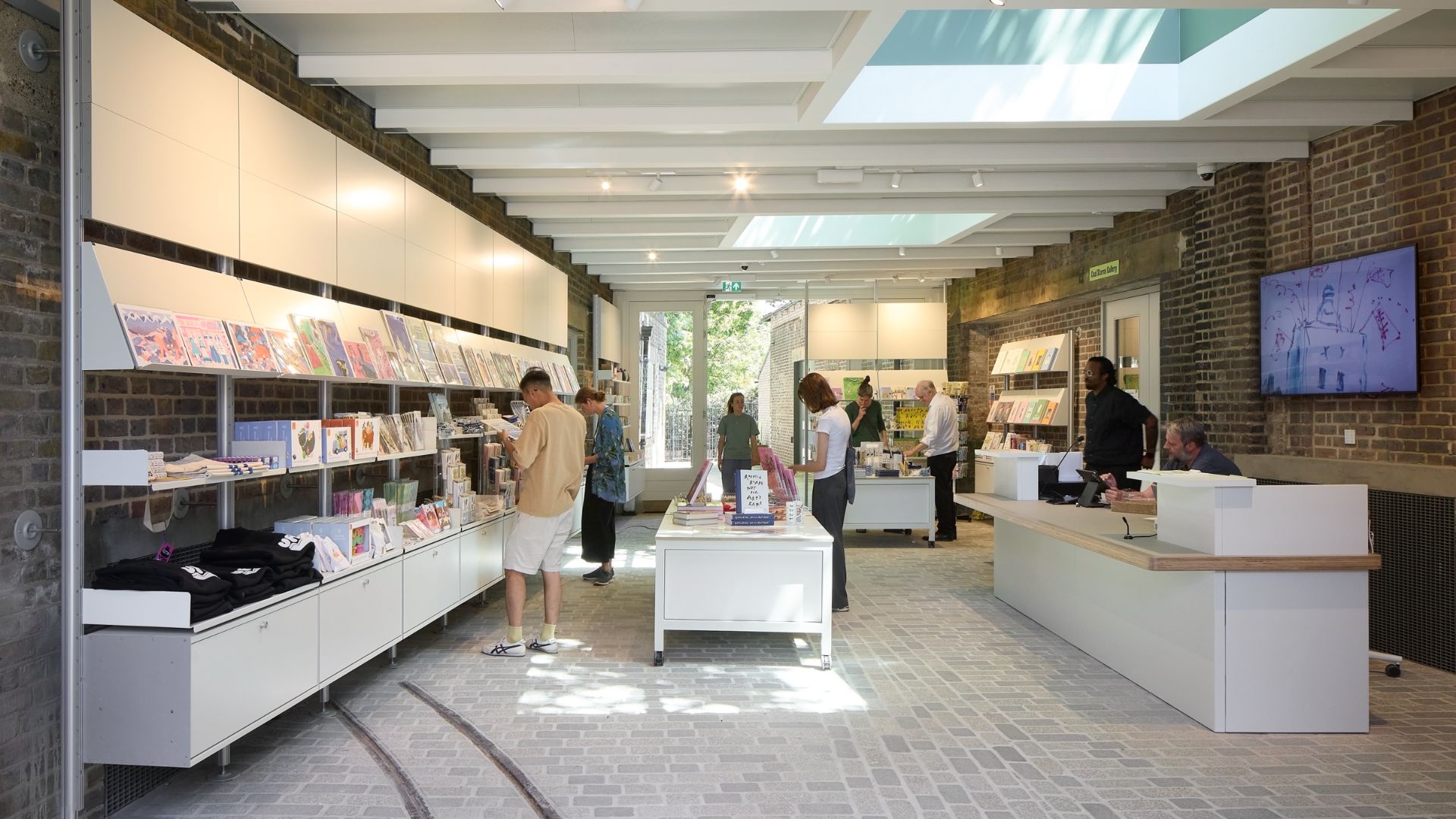
- Check out the shop: One of London's better museum shops, with books, prints and illustration-inspired gifts. I left with a lovely Blake illustration mug (£15) reading "Without music life would Bb".
- Take advantage of affordable options: The museum aims to be as budget-friendly as possible – from free experiences to reduced ticket prices of £1 for those on Universal Credit. Check the website ahead of visiting to see what options are available.
- Accessibility: The museum has considered accessibility throughout, with lifts, clear signage and sensory support resources available for visitors who may benefit from them. Experiences for visitors with additional needs are also planned. Check ahead of visiting if you have any specific requirements and reach out to the team, who will be happy to help accommodate where they can.
Is the Quentin Blake Centre worth visiting?
Absolutely. It’s more than just a museum dedicated to Blake, it’s a space where you can encounter illustration from multiple perspectives. Creative, welcoming and accessible it's a space that will appeal to families, artists and casual visitors and you’ll no doubt leave inspired to explore more of this exciting medium.
What impressed me most wasn’t any single artwork (although there was plenty of that), but the way the centre constantly invites visitors to engage with illustrations for themselves. Whether you’re sketching in the library, thumbing through the comics or studying Quentin Blake’s storyboards, the experience feels less like visiting a museum and more like stepping into a world built around creativity.
Looking for more cultural inspiration? Discover some of the best museums in London and exciting exhibitions for visitors of all ages.