
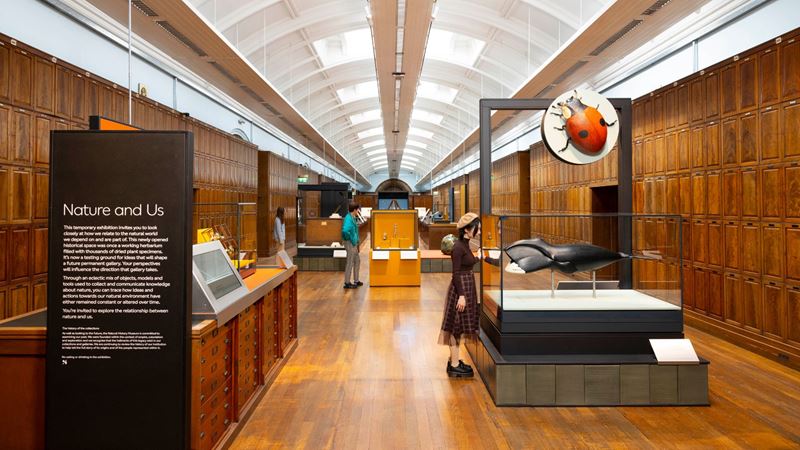
For the first time in more than 80 years, the free-to-visit Nature and Us Gallery has reopened at the Natural History Museum. Once a working herbarium filled with plant specimens from around the world, the reimagined space now showcases 50 fascinating specimens and objects exploring humanity's evolving relationship with the natural world.
The gallery itself is just as captivating as the displays. Tucked away on the second floor of the museum's Waterhouse Building, the historic space retains its distinctive wooden storage walls, now providing a beautiful backdrop to the stories on display.
Everything you need to know about the Nature and Us Gallery
- 📍 Where: Second floor, Central Building, Cromwell Road, SW7 5BD
- 🚇 Nearest Tube: South Kensington (Circle, District and Piccadilly)
- 📅 When: Until March 2028
- 🎟️ Tickets: Free, book a free time slot online
- ⏱️ Visit duration: Around 30 minutes
- 👥 Best for: Families, history enthusiasts and curious minds
What can visitors expect to see?
After more than 80 years closed to the public, this long-hidden corner of the museum has reopened with a fresh new focus. Originally serving as both an osteology (skeleton) gallery and a mammals gallery, the space was later repurposed to house the museum's botanical collections after the original herbarium was damaged during the Second World War.
Today, the atmospheric gallery showcases 50 specimens and objects tracing how humans have understood and interacted with the natural world.
Framed by its original wooden cabinets, the exhibition reveals the many ways humans have interpreted and shaped nature, from debates over whether bugs are friends or foes to domestic dog breeding and the story of a giant jade boulder collected by miners.
Must-see highlights include:
- A 400,000-year-old handaxe that changed our understanding of early humans
- The skeleton of Jenny, the “talking fish” monk seal
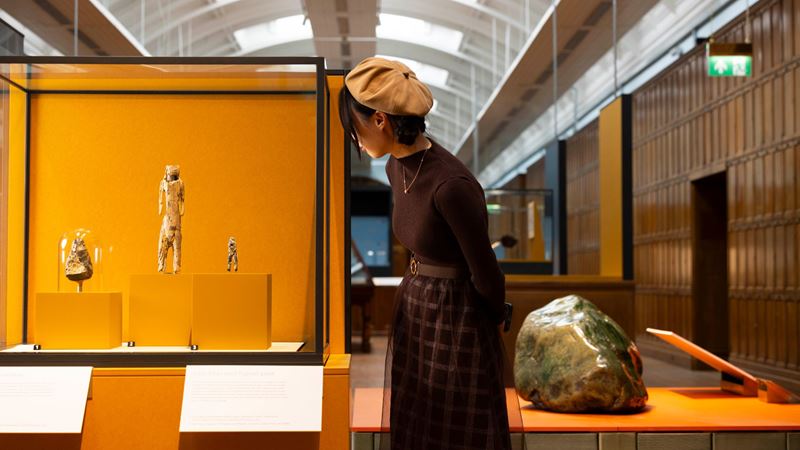
- A 40,000-year-old carved “Lion Man” ivory statue next to a bryozoan-encrusted 1980s Star Wars toy
- Miniature Crystal Palace dinosaur models based on the first life-size dinosaur sculptures completed in 1854
- Giant ladybird models made for the museum’s insect gallery in the 1930s
- A 14,300-year-old dog jaw found in Somerset, one of the earliest known domestic dogs
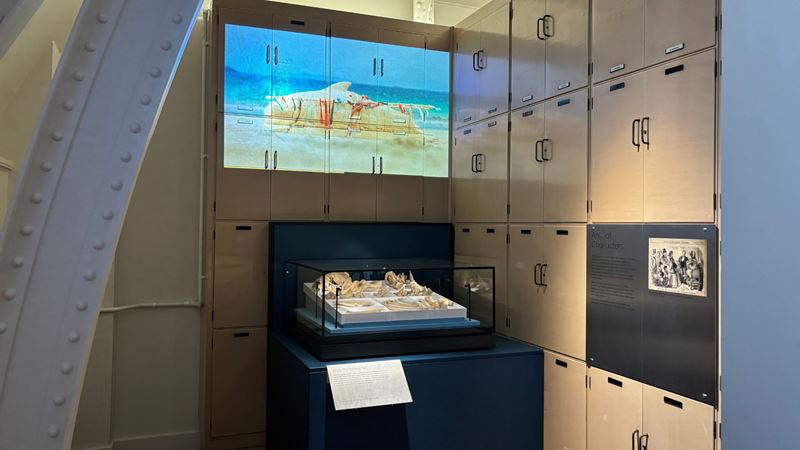
You can also wander into one of the smaller side spaces within the gallery, where displays explore how animal sounds have been recorded and used to distinguish between species. Another fascinating section looks at animal characters, including Jenny the "talking fish" who was actually a male monk seal given a fictional identity to attract paying crowds.
Interactive screens throughout the space explore topics ranging from whaling and our relationship with whales to rivers and forests that have been granted the legal status of a living person.
Be sure to look out for the recreated research desks tucked into the nooks between the cabinets, offering a glimpse into where museum staff once worked.
What’s next for the gallery space?
The reopening marks an exciting milestone in the Natural History Museum's NHM150 campaign, a long-term transformation project that will see a new or revitalised gallery open each year until 2031.
Initially reopening for an 18-month period, museum-goers are encouraged to share their feedback on the stories and ideas explored in Nature and Us, helping to shape the permanent gallery set to open in 2029.
If you’re looking to discover even more, join the Natural History Museum Guided Tour and explore some of the museum's 80 million specimens alongside an expert guide, uncovering the stories behind its world-famous collection.