Royal Albert Hall London
Overview
Location
- Address
-
Kensington GoreLondonSW7 2AP
- Public transport:
- Tube: High Street Kensington/South Kensington Train: Victoria
Reviews
TripAdvisor
About
See inside the Royal Albert Hall, which was opened by Queen Victoria in 1871 and named after her late husband, Prince Albert.
This iconic concert hall on the edge of South Kensington is not only an architectural marvel but is unrivalled when it comes to the incredible entertainment that is hosted under the spectacular domed roof.
What's on at the Royal Albert Hall?
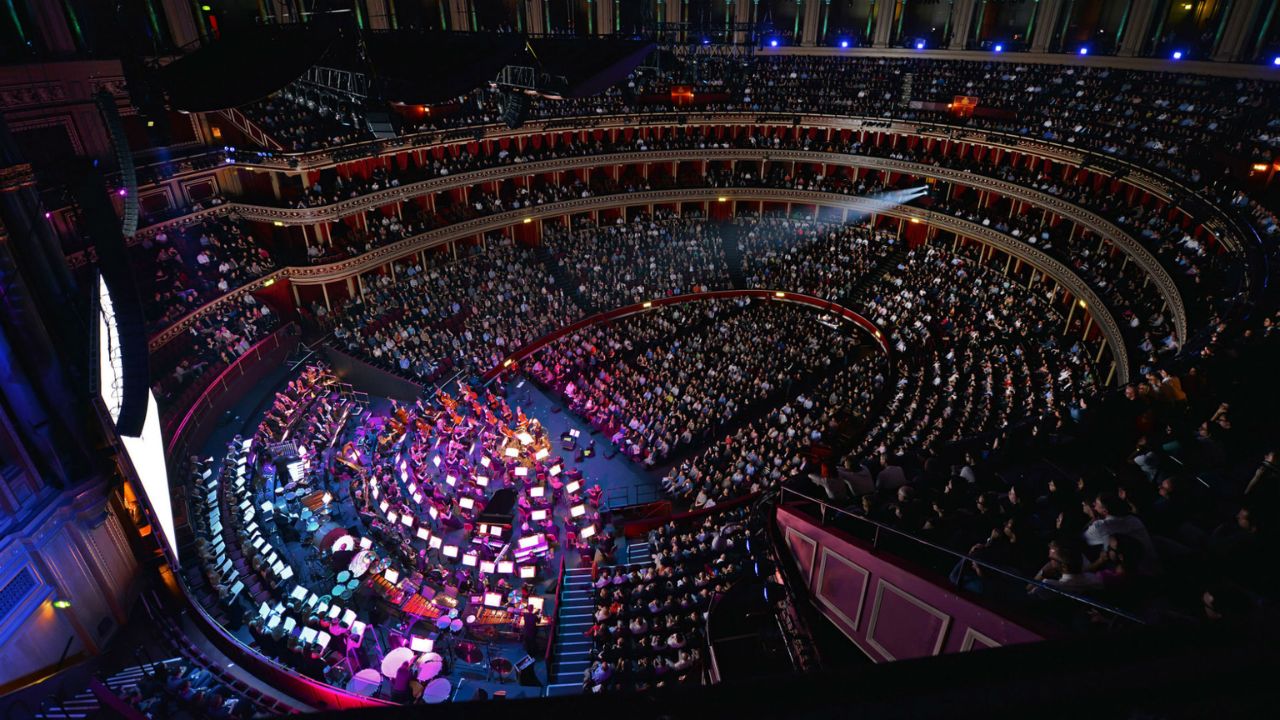
The Royal Albert Hall is one of the most famous music and concert venues in the world. Soak up the atmosphere, the interior and the amazing acoustics at one of more than 360 events a year, including classical music, jazz, world music, circus, rock, pop, opera, dance, comedy and tennis.
Every summer, the Royal Albert Hall hosts the famous BBC Proms series of classical music concerts. The eight weeks of concerts culminate in the famous Last Night performances.
Cirque du Soleil
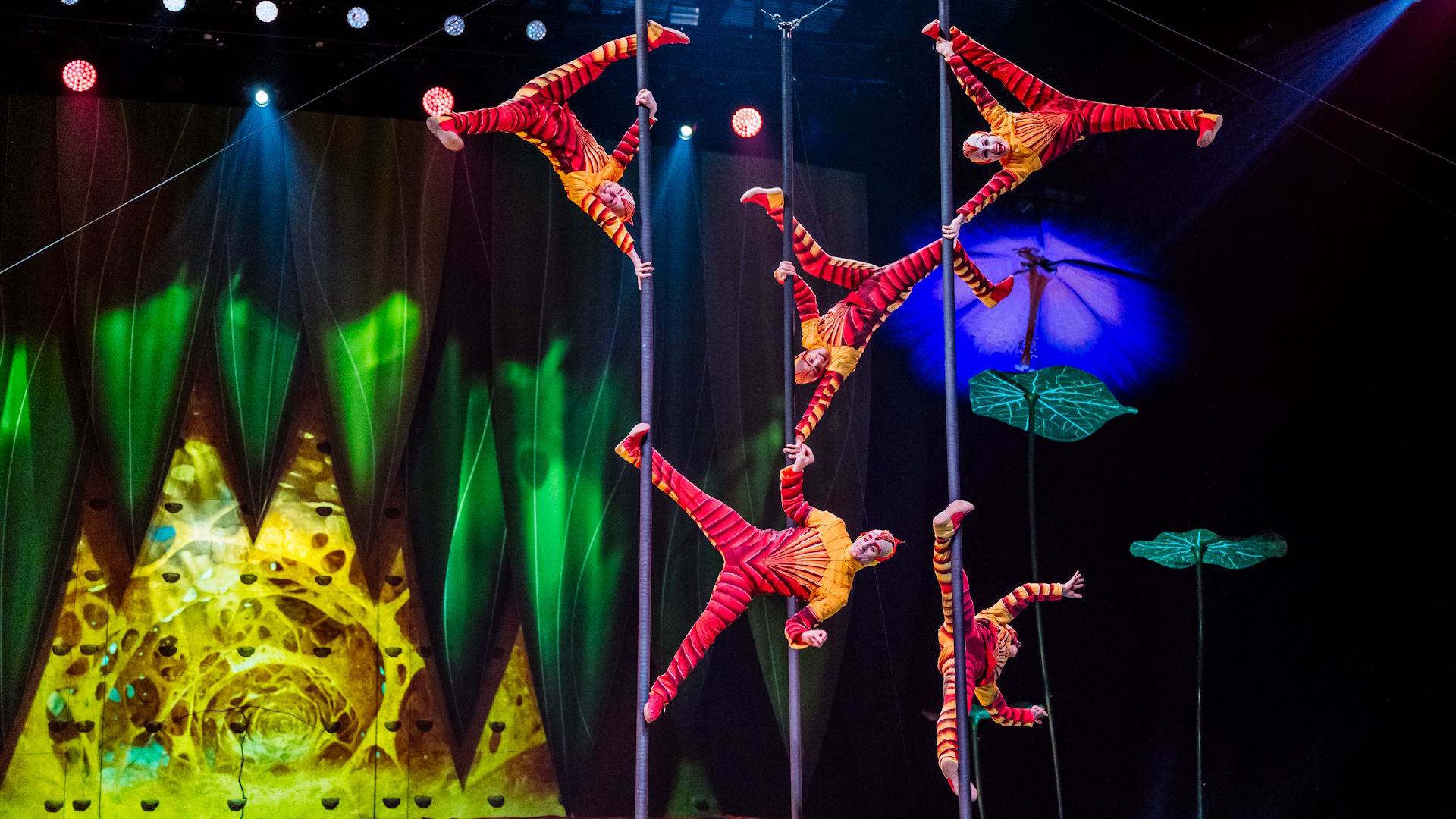
World-renowned Canadian entertainment and contemporary circus company Cirque du Soleil has become a must-see in circus theatre worldwide, bringing to life spectacular productions that combine breathtaking circus acts with showstopping storytelling.
Cirque du Soleil first performed in London in 1990 as part of the European tour of Le Cirque Réinventé. In 1996, the company brought Saltimbanco to the Royal Albert Hall for the first time, with more than 50 performers from around the world taking to the stage. From acrobats and jugglers to clowns, trapeze artists and aerial performers, the production captivated audiences and marked the beginning of Cirque du Soleil's long-standing relationship with the Royal Albert Hall. Since then, the company has made the venue its London home for many of its acclaimed productions.
In 2026, OVO returned to the Royal Albert Hall, reviving the much-loved production that originally premiered in 2009. Set in the enchanting world of insects, the show brings bees, scarabs, butterflies and countless other creatures to life through mesmerising aerial performances, daring acrobatics and breathtaking contortion, immersing audiences in the vibrant ecosystem of nature, all set to a high-energy musical score.
Cirque du Soleil's next London show has yet to be announced, but be sure to check back later this year to find out which production will be coming next and how to book tickets.
What else is there to do at the Royal Albert Hall?
You can take a guided tour of the Royal Albert Hall, enjoy a music-themed afternoon tea, or dine at one of the venue's restaurants, including Verdi Italian Kitchen, The Elgar Room Brasserie and Coda Restaurant by Éric Chavot.
Where is the Royal Albert Hall in London?
The Royal Albert Hall is in Kensington, south-west London.
What is the closest tube station to the Royal Albert Hall?
The nearest Tube stations, South Kensington and High Street Kensington, are a 10 to 15-minute walk from the Royal Albert Hall. Several bus routes also stop nearby.
What to wear to the Royal Albert Hall?
Most of the shows at the Royal Albert Hall do not have a dress code. Audiences are encouraged to dress comfortably so they can relax and enjoy the show.
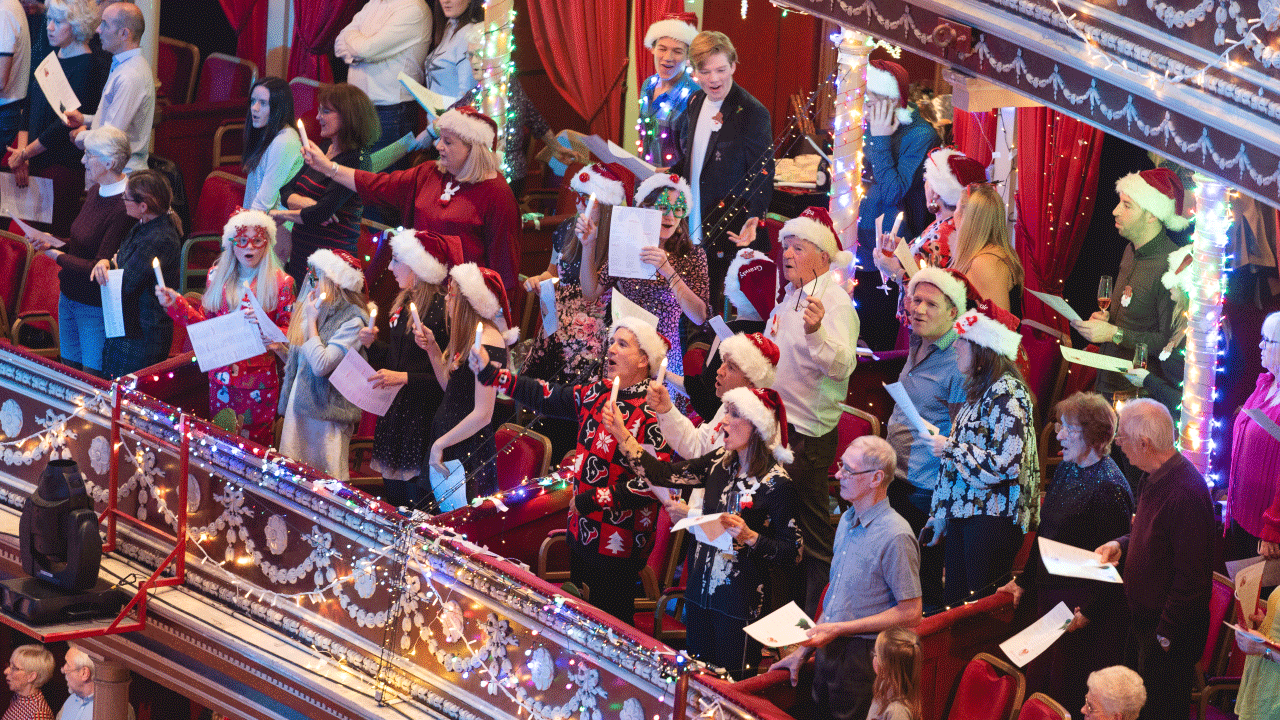
That said, do feel free to dress your best when seeing your favourite musicians and a festive outfit during the holidays wouldn't go amiss!
If a show does have a dress code this will be made clear at the time of booking.
When was the Royal Albert Hall built?
The Royal Albert Hall in London was built over 150 years ago in March of 1871, designed by civil engineers Captain Francis Fowke and Major-General YD Scott.
It was built by the Lucas Brothers, known for creating many other famous buildings in London and beyond, including Covent Garden Opera House (1858), the Langham Hotel (1865) and Oxford University Museum of Natural History (1860).
How many seats are in the Royal Albert Hall?
The seating capacity at the Royal Albert Hall in London is 5,554, with 1,268 seats in private ownership.
The Hall can accommodate up to 5,900 people when specific areas are used as standing capacity.
Why is the Royal Albert Hall famous?
Opened by Queen Victoria in 1871, the Royal Albert Hall has seen many of the world's leading artists grace its stage, including many a classical music star at the BBC Proms, an intimate acoustic set by Bob Dylan in 1965 and the iconic 2011 show by global icon Adele.
Not only a space for the arts, it has also played host to many historic moments, from inspiring speeches delivered by the late Sir Winston Churchill to the meeting place for discussions around women's rights by the Suffragettes between 1908 and 1918.
Facilities
- Event Facilities
- Breakout Rooms
- Offers charity rates
- Raked or tiered seating offered