
Everything you need to know about the Queer Britain London museum
- Location: 2 Granary Square, Kings Cross, N1C 4BH
- Opening times: Wednesday to Sunday, 12pm-6pm; closed Mondays and Tuesdays
- Tickets: Entry is donation-based, with a ‘pay what you can’ option available – tickets must be booked online in advance.
- Museum highlights: Galleries, installations and gift shop
- Q&A: Meet the Director, Andrew Given
- Planning your visit: Location, timings and accessibility
What is the Queer Britain museum
The Queer Britain museum is the UK’s first national LGBTQ+ museum, and its most recent refurbishment feels particularly timely, coinciding with LGBTQ+ history month.
What immediately stands out to me is how the museum prioritises lived experiences over an institutional voice, with community-led storytelling at its core. Each of the three galleries offers something distinct, yet all are united by a focus on real lives, real voices and personal histories.
As Museum Director, Andrew Given, explains “We don’t tell the story of community, the community tells its own story."
Since opening in 2022, the wider cultural and political context around LGBTQ+ rights and visibility has shifted – something the museum openly acknowledges. Rather than presenting a single narrative, the displays step back and allow stories to speak for themselves, creating space for nuance, complexity and intersectionality.
Queer Britain museum highlights
Gallery 1: BFI Flare
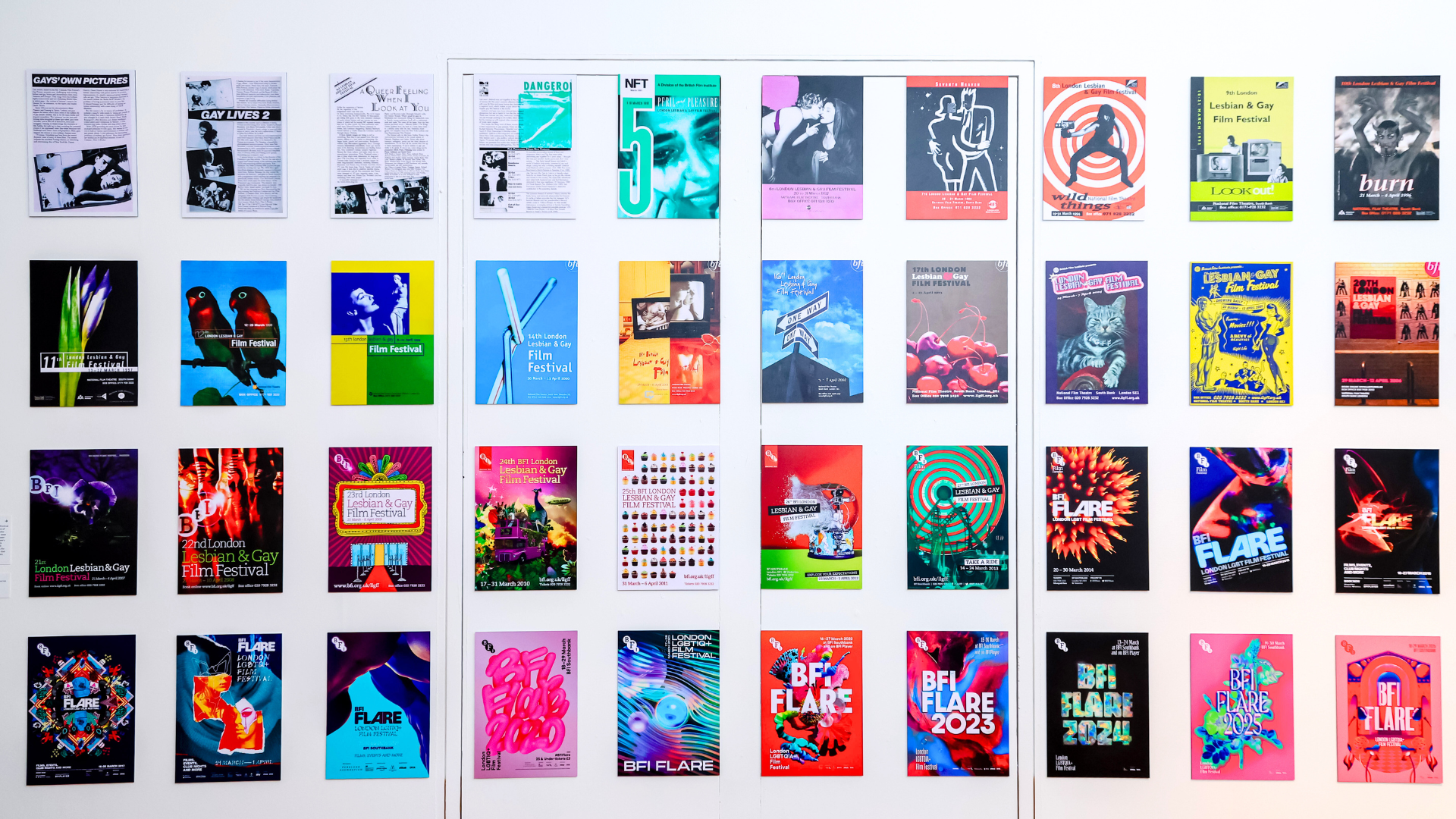
While many visitors will be familiar with the BFI, BFI Flare is a dedicated LGBTQ+ film festival that has grown into one of Europe’s most significant queer film programmes.
Celebrating its 40th anniversary in 2026, the display features a striking wall of festival posters charting decades of shifting visual styles and themes. Standing before them, I find myself listening in on conversations sparked by each design. I’m particularly drawn to the 19th edition, with its striking blue-and-yellow palette reminiscent of classic movie-poster design. Another favourite is this year’s poster with its punchy pink tones, bold gradients and floral motifs, which feel playful and celebratory. A visual nod to bright springtime and the energy of the festival itself.
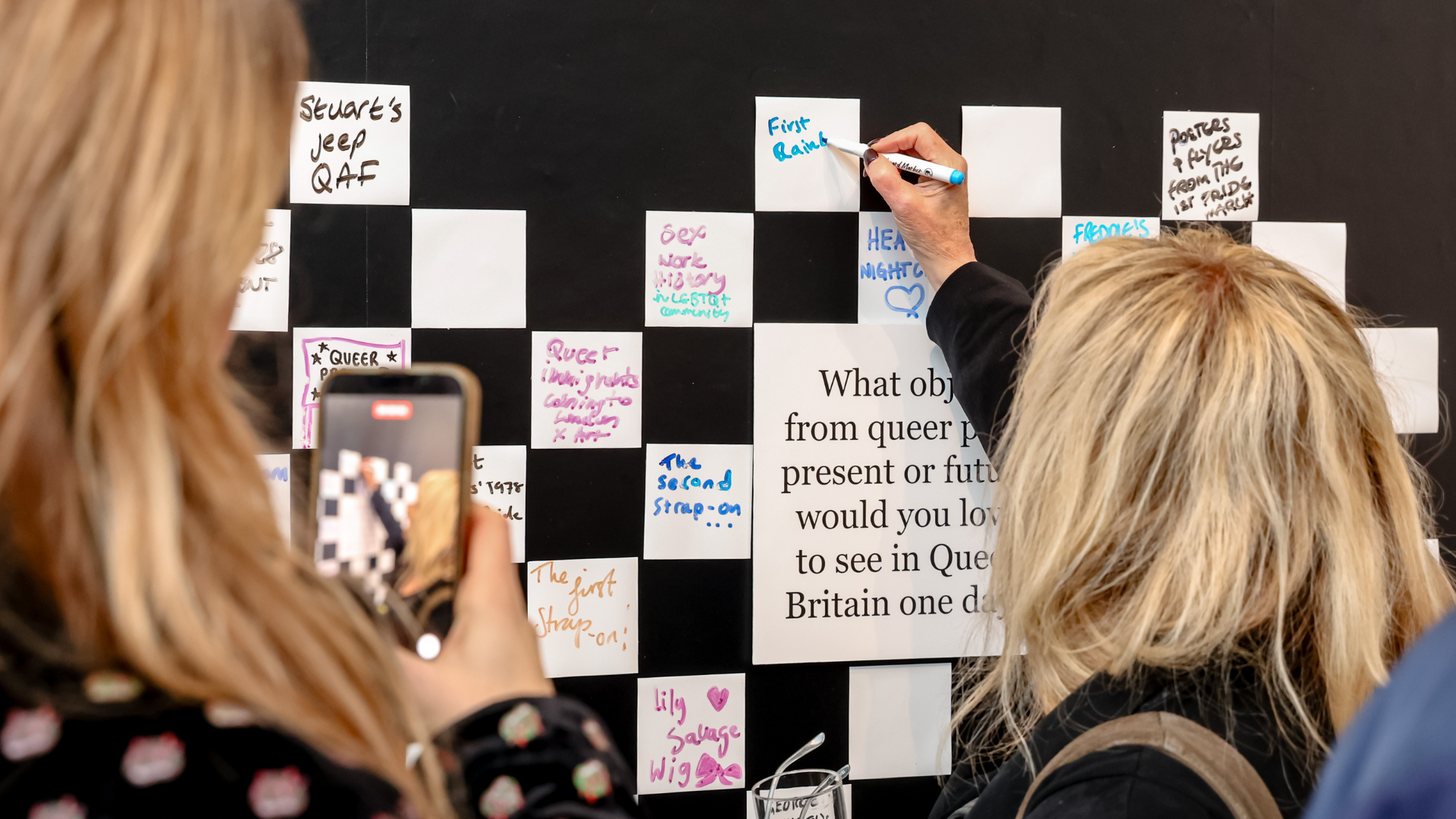
Opposite the installation, an interactive wall invites visitors to share what they’d love to see added to the museum. “Freddie’s iconic yellow jacket!” is my contribution, sitting among a growing list of intriguing suggestions.
Main gallery: Six themed displays
Turning right, I enter the second gallery, where six themed displays reveal different facets of LGBTQ+ life, history and identity. Despite their titles, it’s not always obvious what you’ll encounter which makes discovering the stories and artefacts even more compelling.
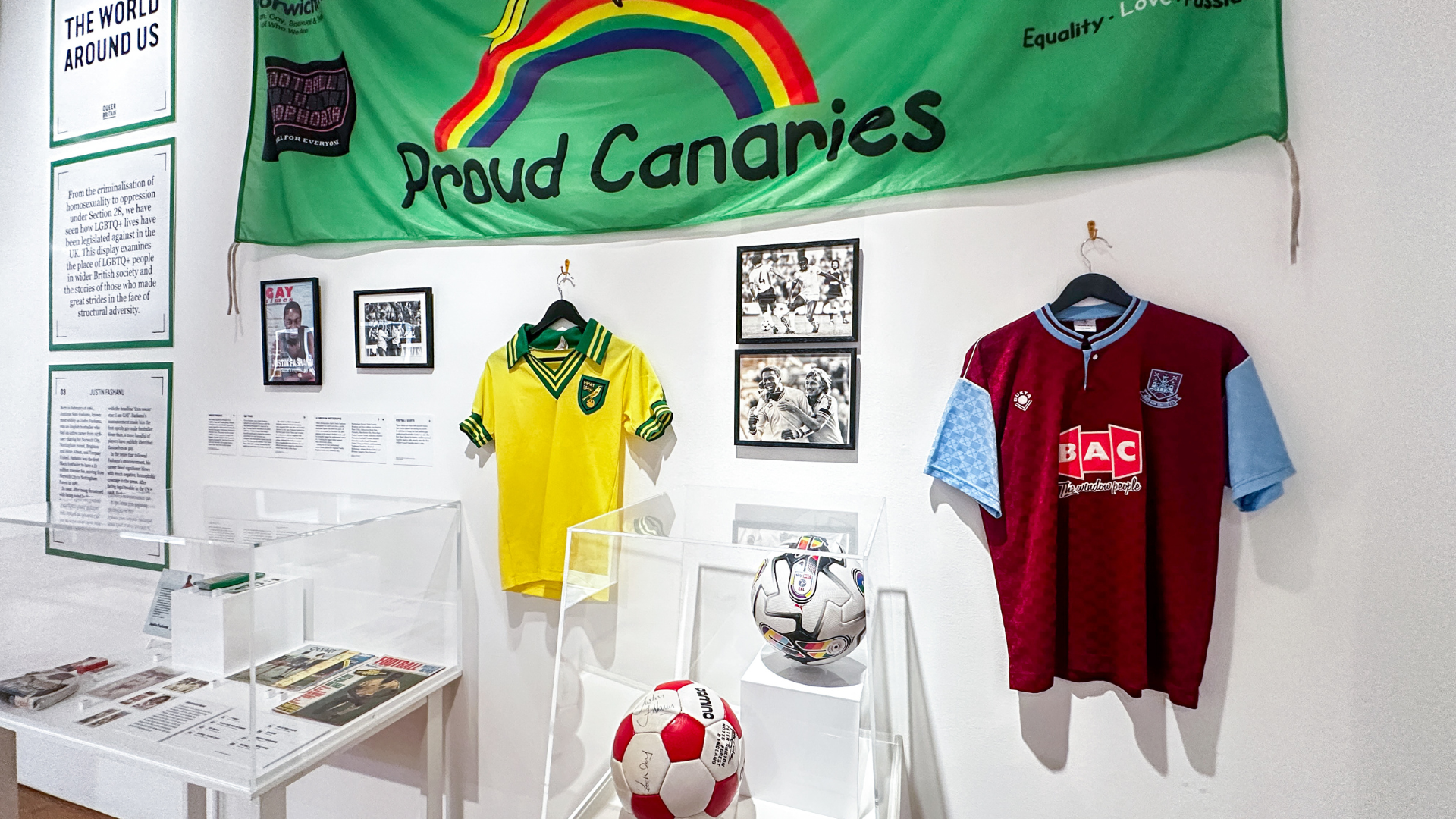
Here, I encounter stories of the body and mind, confronting harmful narratives around the LGBTQ+ community and the lives lost. An AIDS Memorial Quilt panel is particularly powerful, carrying the emotional weight of grief and stigma, but also pride, care and bravery.
For the first time, I learn the full story of Justin Fashanu – a footballer who risked his career to live openly, only to be rejected by the sporting world around him. Even now, it feels painfully relevant.
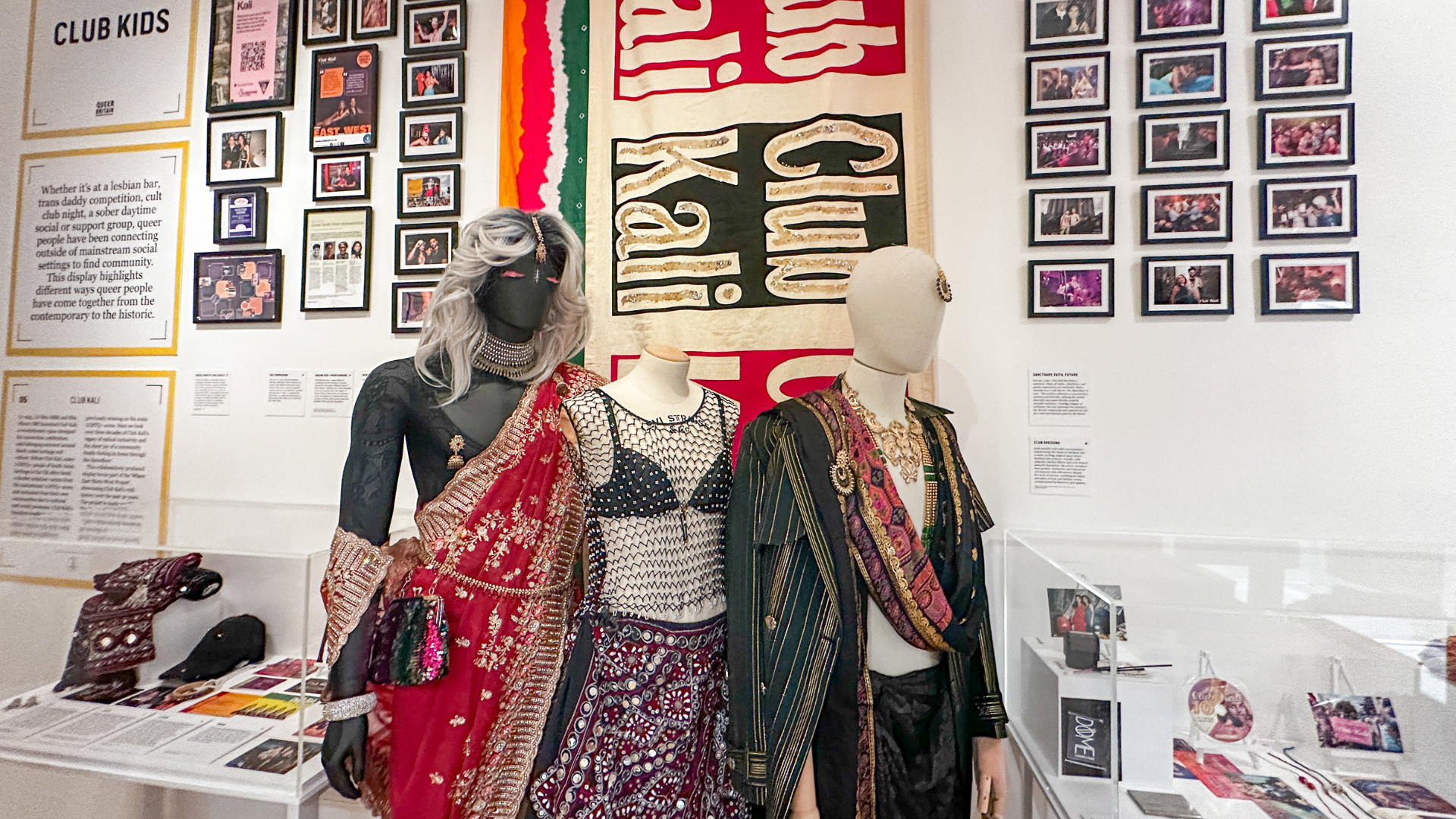
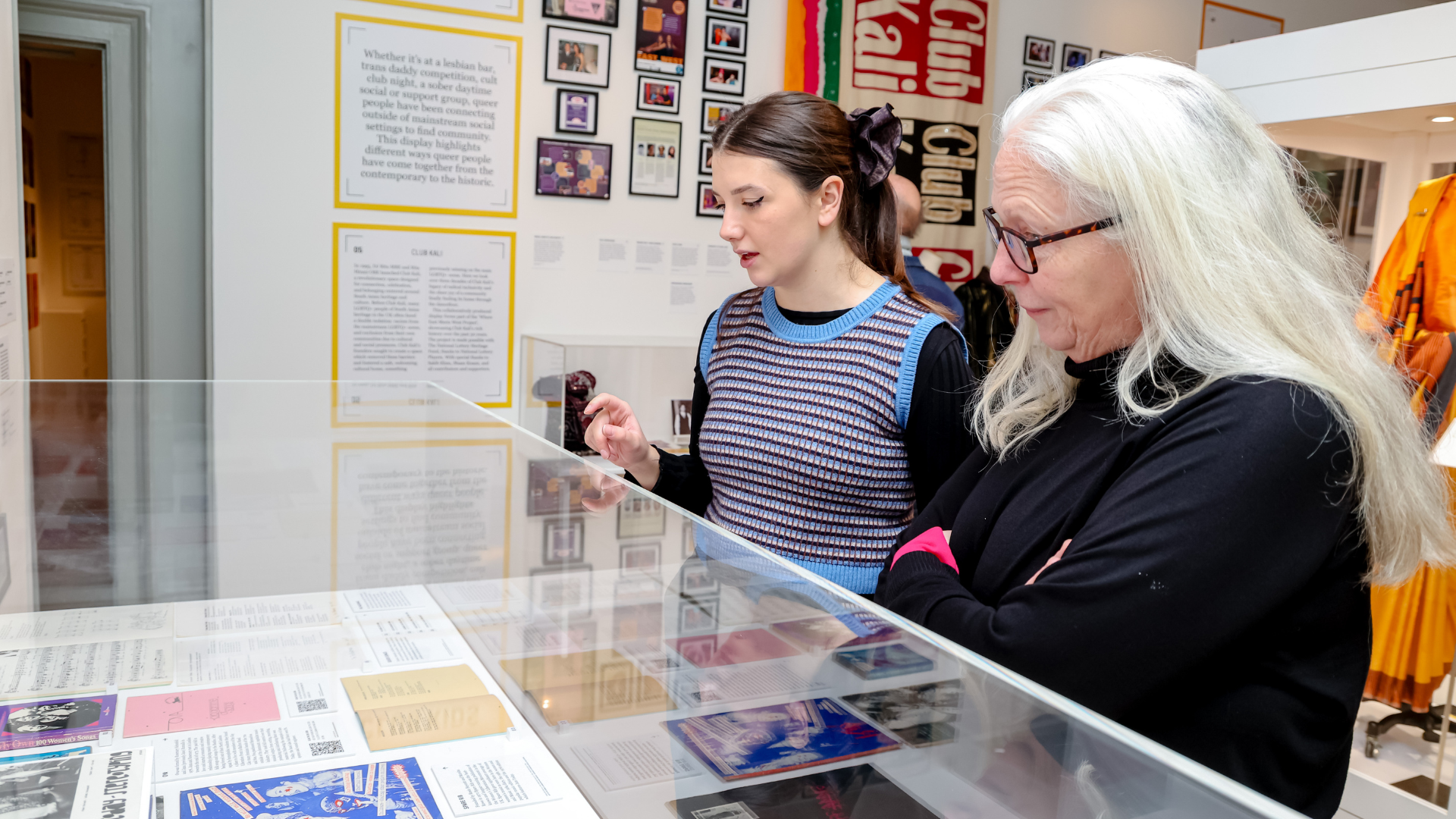
The Club Kids display explores spaces created beyond the mainstream, highlighting venues like Club Kali as revolutionary cultural hubs. Images of dancefloors sit alongside striking outfits, showing how fashion, nightlife and politics have long intersected.
It’s not only major movements that are represented here, but also the quieter, everyday domestic realities of LGBTQ+ lives. I find myself wishing I could spend more time thumbing through a book of letters by British writer and critic Lytton Strachey, a central figure of the Bloomsbury Group, whose witty, almost whimsical writing offers an intimate window into another life – fascinating.
Gallery 3: Queer Print
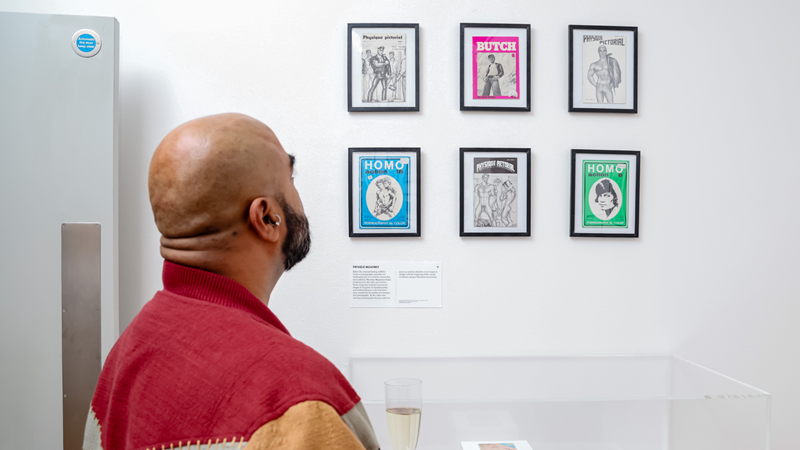
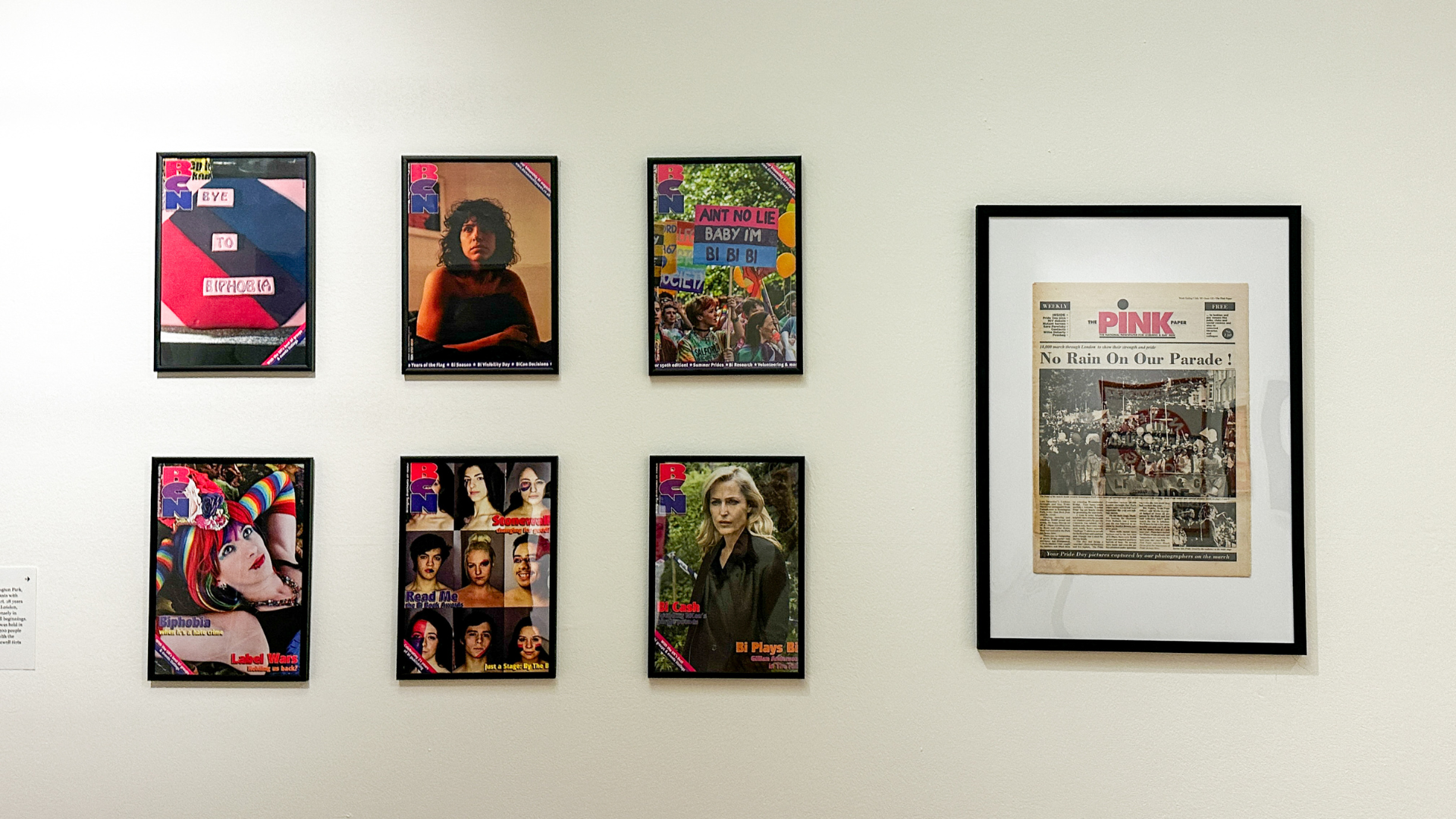
This quickly becomes my favourite space in the museum, where I explore queer influence across art, fashion, film, literature and performance. It’s bold, tongue-in-cheek poster styles and fascinating imagery showcases print culture as a means of connection, but also survival and organisation (long before social media was around and the word had to get out somehow).
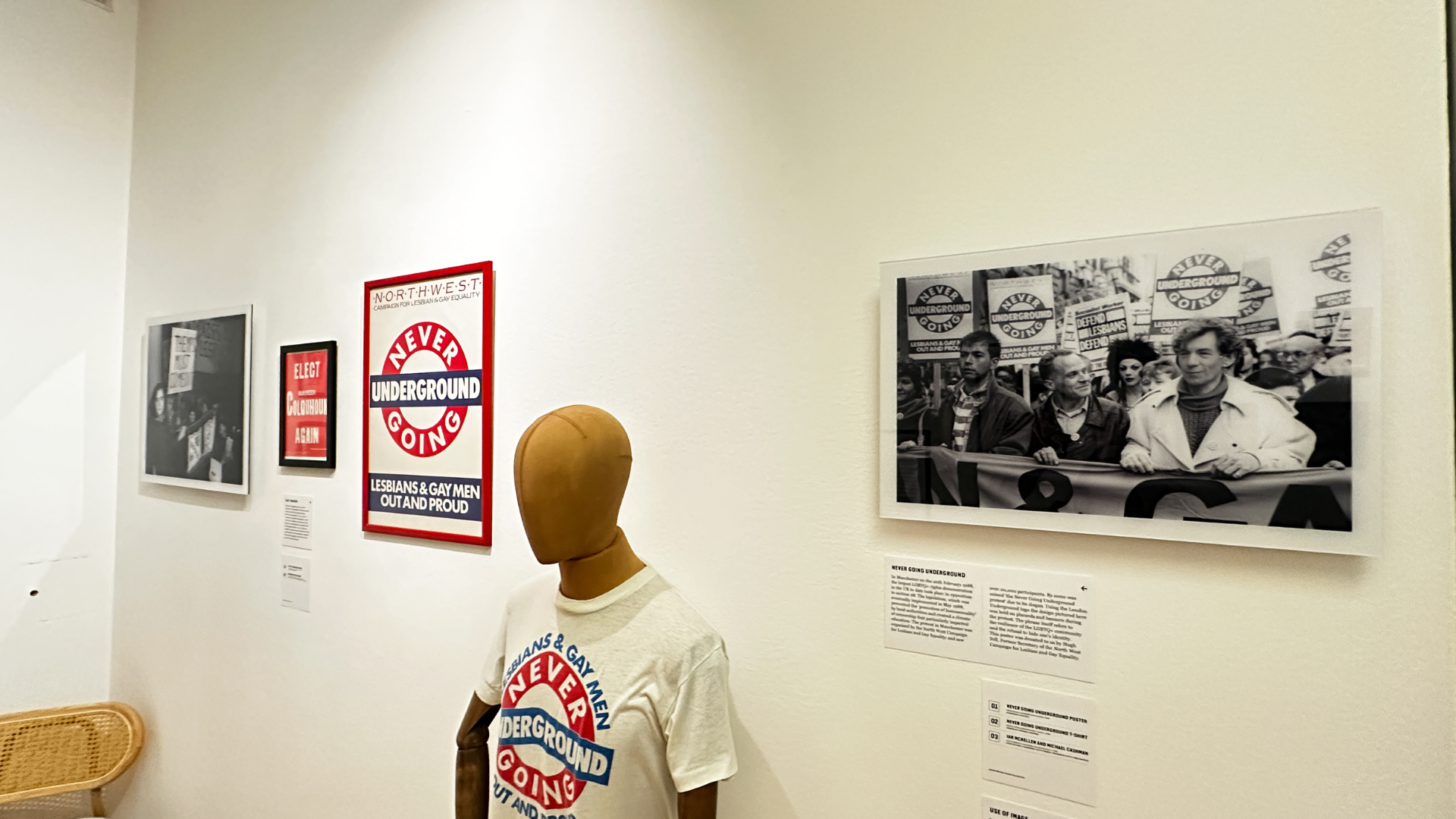
Never Going Underground is a fantastically clever piece, reworking the iconic London Underground logo into a bold statement of visibility and bravery.
I just love the photograph of a younger Ian McKellen at the 1988 Manchester demonstration, which captures a striking mix of identities in this snapshot of activism in action.
Please note that exhibitions were current at the time of visit (4 February 2025) and are subject to change. Check the museum’s website for the latest information before visiting.
Why you should visit the Queer Britain museum

Although a modest in size compared to some of London’s other museums, the rooms linger emotionally long after you leave. I loved hearing the ongoing conversations – some of admiration, some reminiscing.
The volunteers were generous with their time, happy to answer questions and offer deeper insight into the installations, while still allowing me to explore quietly at my own pace.
The museum shop gets it exactly right, stocked entirely by LBGTQ+ small businesses. There’s everything from cheekily named hand soaps to bold Queer Museum t-shirts. I leave with an ‘It’s Gorgeous to Be Seen’ bookmark and a couple of cans of Queer Beers by a trans-owned brewery in Leyton, with proceeds going right back into the museum.
Why the reopening matters
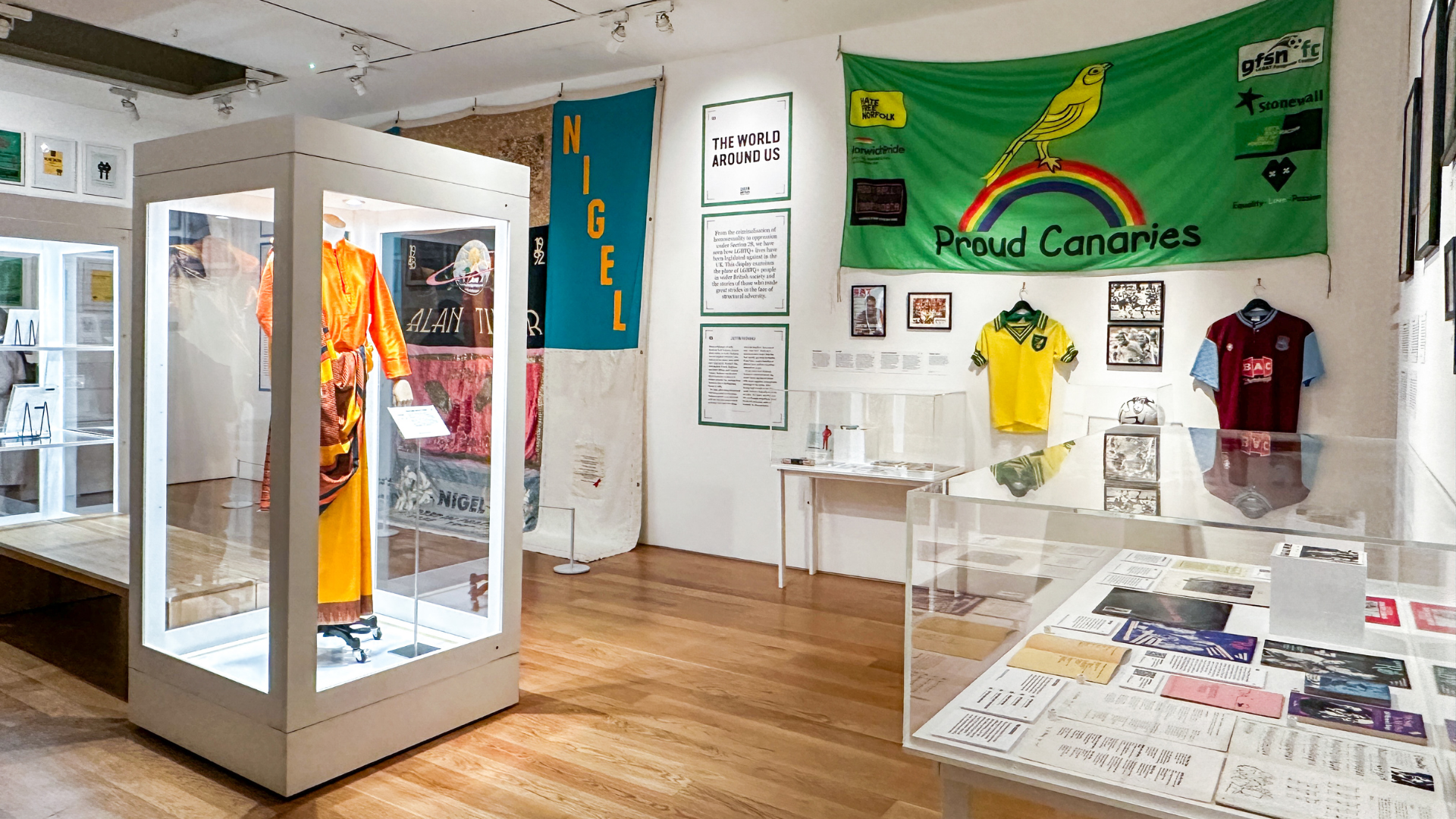
The reopening of Queer Britain museum matters because it restores a permanent landmark in London where LGBTQ+ histories are not only acknowledged, but actively celebrated. Following a two-month closure for refurbishment and redevelopment, the museum returns with refreshed galleries and a renewed focus on community-led storytelling.
With a growing archive built from community donations and partnerships, the museum continues to expand the stories it can tell to ensure histories are preserved, shared and passed on.
Reopening during LGBTQ+ History Month, the museum plays a vital role in awareness, offering space for education and reflection on the past while inspiring conversations about the future.
Physical queer spaces still matter because they make history tangible, invite conversation, and help us learn from the past to support the present.
Meet Queer Britain museum Director, Andrew Given
Hear from museum Director Andrew Given as he reflects on the reopening, the importance of Queer Britain’s growing archive, and what he hopes visitors take away from their visit.
When shaping the new displays, what stories or objects felt most important to foreground for the reopening – and why?
When the museum opened in 2022, our remit was visibility and celebration of LGBTQ+ history and culture, but since then, the world has taken a dramatic right turn politically, so we felt it was important to bring a selection of unheard, intersectional stories – showing that the LGBTQ+ community has a long history of coming together and supporting each other.
The museum balances joy, creativity and celebration alongside grief, protest and loss.
How did you approach holding those emotions together within the galleries?
LGBTQ+ history is complex – for such a long time, we were criminalised, or thought of as a medical anomaly, and we shouldn’t shy away from that history. We need to remind ourselves of the struggles the community has faced in the past, drawing parallels to current issues, whilst also celebrating joy and togetherness. It was important to us not to focus on struggle and activism but also highlight the change and consequence of those struggles. Justin Fashanu faced a horrendous time as the first out footballer, but the work of the Justin Campaign, which then inspired Homophobia vs Football, and the Rainbow Laces campaign has changed lives, and we wanted to celebrate things like that.
The Resist! section highlights how activism has often been intersectional, particularly for Black queer communities. How did you decide which histories to centre here?
This display was co-curated with film-maker Veronica McKenzie, and a group of 20 community participants. Through a series of workshops, the participants, many of whom were involved in the Black Lesbian & Gay Centre, chose which objects, posters and items to display from the BLGC archive; they wrote the interpretations. Our aim is never for Queer Britain as an institution to tell the story of a community, but to give space to a community to tell its own story – with professional curatorial support.
Print culture plays a powerful role in Queer Print. Why was it important to spotlight zines, posters and ephemera from the pre-digital era?
LGBTQ+ people have a long, long history of communicating and organising through print. Social media may have changed the landscape, but those print materials were a lifeline to so many LGBQT+ people; they let people know that they were not alone, and that there were others like them around the UK.
The AIDS Memorial Quilt is one of the most emotionally affecting moments in the museum. How did you approach presenting it with care while preserving its impact?
We chose panel 23 to display for several reasons. One of the sections is covered, with a letter on display that explains that the family of the young man who died of AIDS did not want his name on public display. The stigma and shame felt by people affected by HIV was unimaginable, and unfortunately still exists today. We felt that this was an important story to tell as the UK works towards zero-HIV transmission by 2030 targets. It also has a section in memory of a woman – HIV affected all genders, and it also has Rudolf Nureyev’s panel, regarded as the preeminent male ballet dancer of the 20th Century. This panel tells a plethora of stories on how HIV affected a wide range of people.
Many visitors seem to stop and talk to each other in front of the displays. Was encouraging conversation and shared reflection part of the curatorial intention?
Definitely; one of the joys of this museum is observing the spontaneous conversations that people have in the galleries, with their friends, our volunteers, or just the person standing next to them. Hearing people say “I was there”, or “I remember that”, or “I did not know that” makes our role in preserving LGBTQ+ history worth it.
Several galleries explore how queer people created their own spaces – from clubs to community centres – when mainstream society excluded them. Why do those stories still resonate today?
Since 2016, over 50% of LGBTQ+ venues in London have closed, and outside of London, the situation is even worse, with some towns and cities having no safe space for LGBTQ+ people. The need to come together, to feel safe, and be with people that have similar experiences – the need for community, never goes away, even in a digital era.
How did community partnerships shape the development of the displays, and what did working collaboratively change about the final outcome?
Both the Resist! Display (with the Black Lesbian and Gay Centre) and Club Kids (with Club Kali) were co-curated, with those communities telling their own stories. In a few months, we’ll unveil the next co-curated display: Live, Laugh, Love with the Museum of Transology, telling everyday domestic stories of trans people. The focus of our co-curation methodology is for Queer Britain Museum as an institution to stand back and allow people with lived experience to tell their own stories.
Was there a particular object, letter or image that personally stayed with you during the curatorial process?
In the Queer Print exhibition, there is a catalogue from ‘Thrilling Bits’ – the very first women owned and run, (fe)mail order, sex toy business. It’s a fun example of LGBTQ+ people creating products and services for their own community.
What do you hope visitors leave knowing – or feeling – that they might not have expected when they arrived?
We want visitors to feel reflective but joyful. Knowing that we have overcome many legal and social struggles – with many continuing to this day and thinking about what we can learn from the past to help and support our community today from the global shift to the right.