

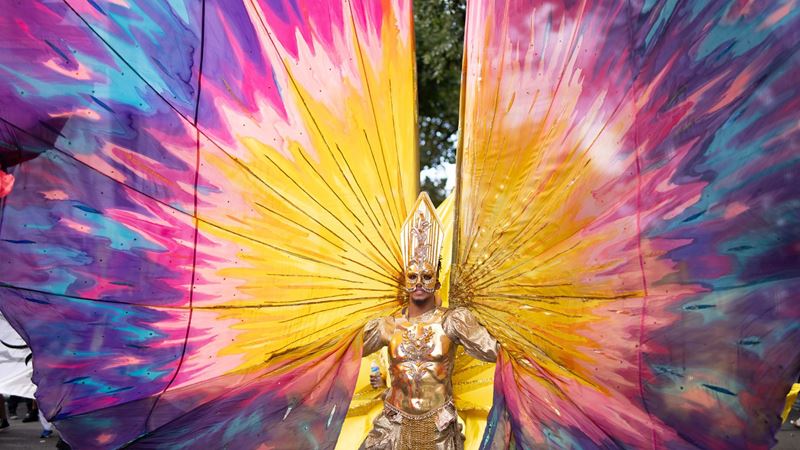
Looking for the ultimate Notting Hill Carnival 2027 guide? Every August Bank Holiday weekend, I love seeing the streets of Notting Hill transform into one of the largest street festivals in the world, attracting around 2 million people from across the UK and overseas. First held in 1966, the Carnival is a long-running celebration of Caribbean culture and community. Best of all, it’s a free event - no tickets are required to join in the fun.
As someone who has attended the Carnival multiple times, I bring my own experience along with Visit London’s expert insights to this guide. I’ve explored the parade myself, checked the official maps and schedules, and tried to capture a range of experiences to make sure every recommendation is accurate, up-to-date, and reflects the festival’s diversity.
In this guide, I’ll take you through the official parade routes and maps, the event schedule, must-see stages and performances, and the best places to eat, dance, and explore - everything you need to plan an unforgettable Notting Hill Carnival experience.
Plan your day out at Notting Hill Carnival
Jump ahead to the relevant section:
- What to see and do at Notting Hill Carnival
- Food and drink highlights at Notting Hill Carnival
- Family-friendly and community zones at Notting Hill Carnival
- What to wear and festival essentials for Notting Hill Carnival
- Safety, accessibility and getting around
- Where to eat, stay and explore during Notting Hill Carnival
Notting Hill Carnival 2027 guide
It's been more than 60 years since the first street parade, and in that time Notting Hill Carnival has grown into one of the world's biggest celebrations of Caribbean culture.
In the 1950s, Notting Hill was a very different place to the colourful streets and boutique shops you see today. Home to a growing Caribbean community, the area was also affected by racial tensions and discrimination.
Following the 1958 Notting Hill race riots, Trinidadian journalist and activist Claudia Jones organised an indoor Caribbean Carnival at St Pancras Town Hall in January 1959. Inspired by Caribbean traditions, the event celebrated music, dance and community while promoting unity and pride.
The Carnival first took to the streets in 1966, thanks in part to local social worker Rhaune Laslett, whose vision was to bring together the area's many different communities through a neighbourhood festival. Over time, the Caribbean influence became the heart of the event, with steel bands, sound systems, calypso, soca and spectacular mas bands transforming it into the Carnival we know today.
Today, Notting Hill Carnival is proudly community-led and attracts more than two million visitors across the August Bank Holiday weekend. While it has grown into Europe's largest street festival, it remains a powerful celebration of Caribbean heritage, creativity and community.
Everything you need to know about Notting Hill Carnival 2027
- 📍 Location: Notting Hill, London
- 🚇 Getting there - tube stations: Bayswater, High Street Kensington, Paddington, Queen's Park and Shepherd's Bush
- 📅 When: August Bank Holiday weekend, 28-30 August 2027
- 🎟️ Price: Free entry - no tickets required
- ⏱️ Visit duration: Allow up to four hours to enjoy the parade, sound systems, food stalls, and performances
- 👥 Who is this for? Caribbean culture enthusiasts and anyone looking for a lively street festival experience
- 👀 What to expect: Colourful parades, live music, spectacular costumes, Caribbean street food and a festival atmosphere unlike anywhere else in London.
What to see and do at Notting Hill Carnival (and what not to miss)
From elaborate floats and spectacular costumes to cultural experiences beyond the parade itself, there's plenty to see and do at Notting Hill Carnival. Here are some of the highlights I think are worth looking out for this year.
Notting Hill Carnival route and map
The Notting Hill Carnival route has remained largely unchanged in recent years. However, the official map isn't released until closer to the event, so it's worth keeping an eye on the official website in the weeks leading up to Carnival to help plan your day.
You can find the official Notting Hill Carnival route map on the Notting Hill Carnival website once it is released.
Event schedule and line-up 2027
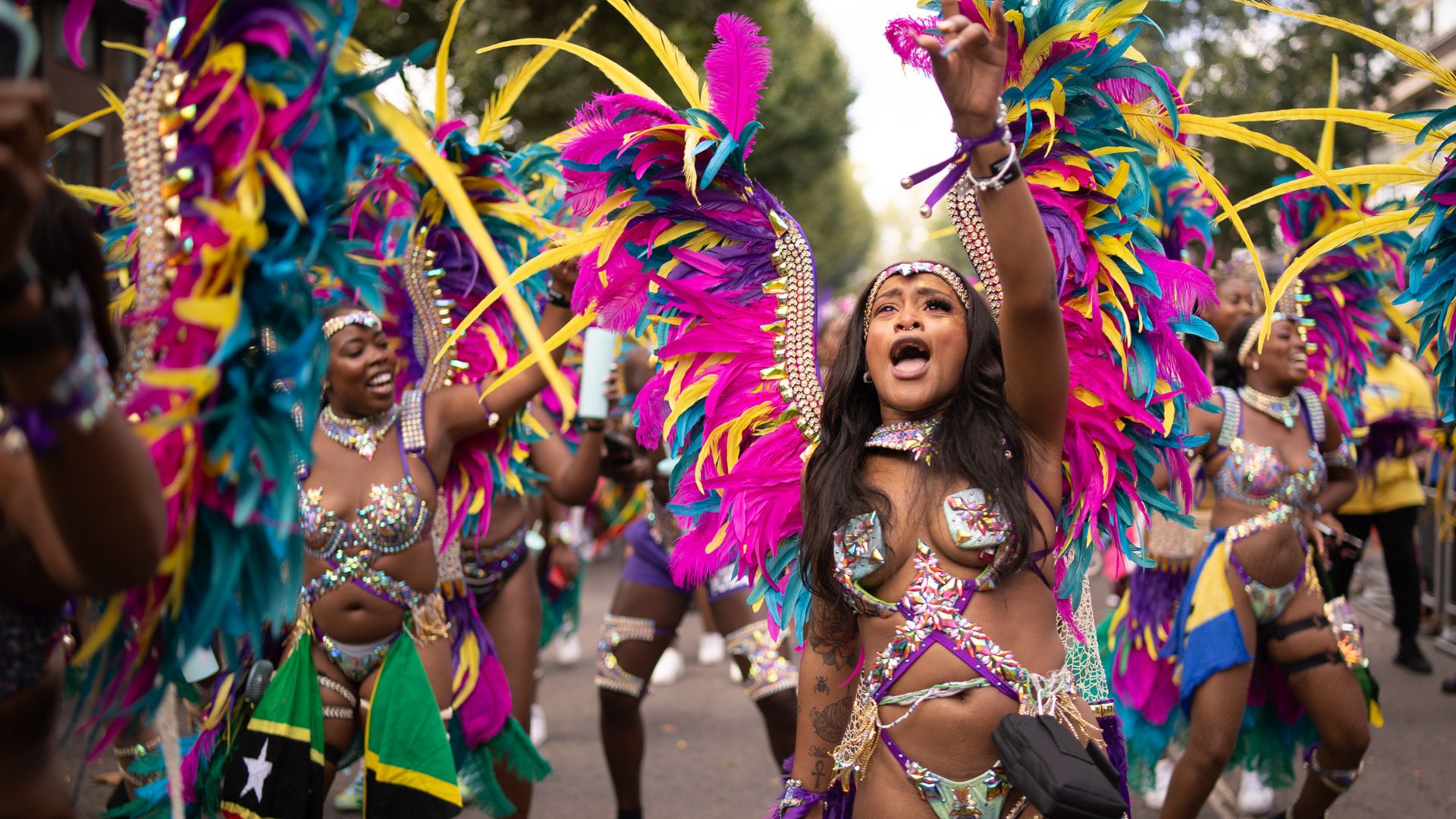
Notting Hill Carnival takes place across three days, with each day offering something a little different. The final schedule for 2027 is yet to be released, but here's what you can usually expect over the bank holiday weekend:
Saturday 28 August – UK National Panorama Steel Band Competition
Where: Emslie Horniman's Pleasance Park
When: Junior Panorama: early evening and Main Panorama: late evening
Kick off the Carnival weekend with the UK National Panorama Steel Band Competition. Dubbed the "jewel in the crown of Carnival", it's one of the largest steel pan competitions outside the Caribbean, where talented bands perform impressive 10-minute arrangements entirely from memory.
I love the energy of this event, and it's a brilliant way to experience Caribbean music before the main Carnival celebrations begin. You'll also find plenty of Caribbean street food and a lively atmosphere throughout the evening.
Sunday 29 August – Children's Day and opening celebrations
Highlights: J'Ouvert, Opening Ceremony, Children's Parade, family activities
Sunday traditionally begins with J'Ouvert (6am-9am), before the official opening ceremony takes place from 10am. The Children's Parade then fills the streets with colourful costumes, music and dance, showcasing the next generation of Carnival performers.
Across the Carnival route, sound systems come to life from around midday until the evening, while live stages host DJs, musicians and performances throughout the day.
Monday 30 August – Adults' Parade and Carnival finale
Highlights: Adults' Parade, sound systems, live music and Caribbean food
Monday is the biggest day of Notting Hill Carnival, with the spectacular Adults' Parade taking over the streets. Expect extravagant mas costumes, soca, calypso and steel bands, alongside more than 30 sound systems creating an unforgettable atmosphere across west London.
You'll also find hundreds of food stalls serving everything from Jamaican jerk chicken and Trinidadian roti to Guyanese pepper pot, making it the perfect day to experience the sights, sounds and flavours of Carnival.
Floats and Mas Bands – Best for colourful costumes and dancing
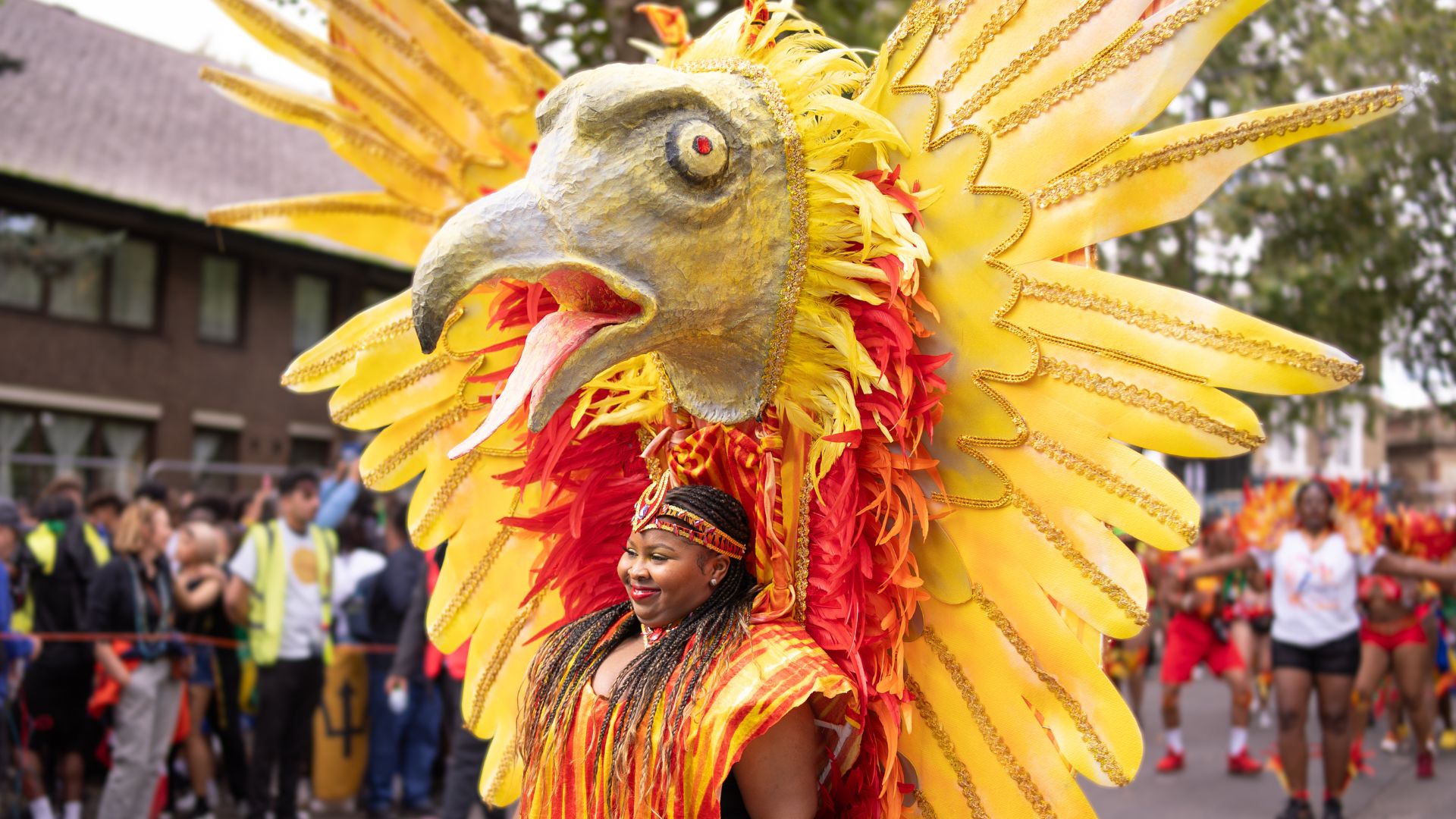
Each year, Notting Hill Carnival fills the streets with spectacular floats and mas bands, bringing music, colour and energy to west London.
I love just how much effort goes into every costume. Every time I visit, I think I've seen it all, only to spot something even more extraordinary. From giant snakes and towering feathered figures to beautifully dressed performers riding white stallions on golden chariots, there's always something that stops you in your tracks. Alongside the dazzling displays, many bands also use their costumes to tell stories and celebrate the true spirit of Carnival through messages of community, unity and mutual respect.
The full list of mas bands is announced on the official Notting Hill Carnival website ahead of the event. The line-up usually includes children's mas bands, Brazilian groups and steel bands, with many local communities spending months preparing their costumes and performances.
Street performers, sound systems and live music stages – Best for entertainment, photo opportunities and music lovers
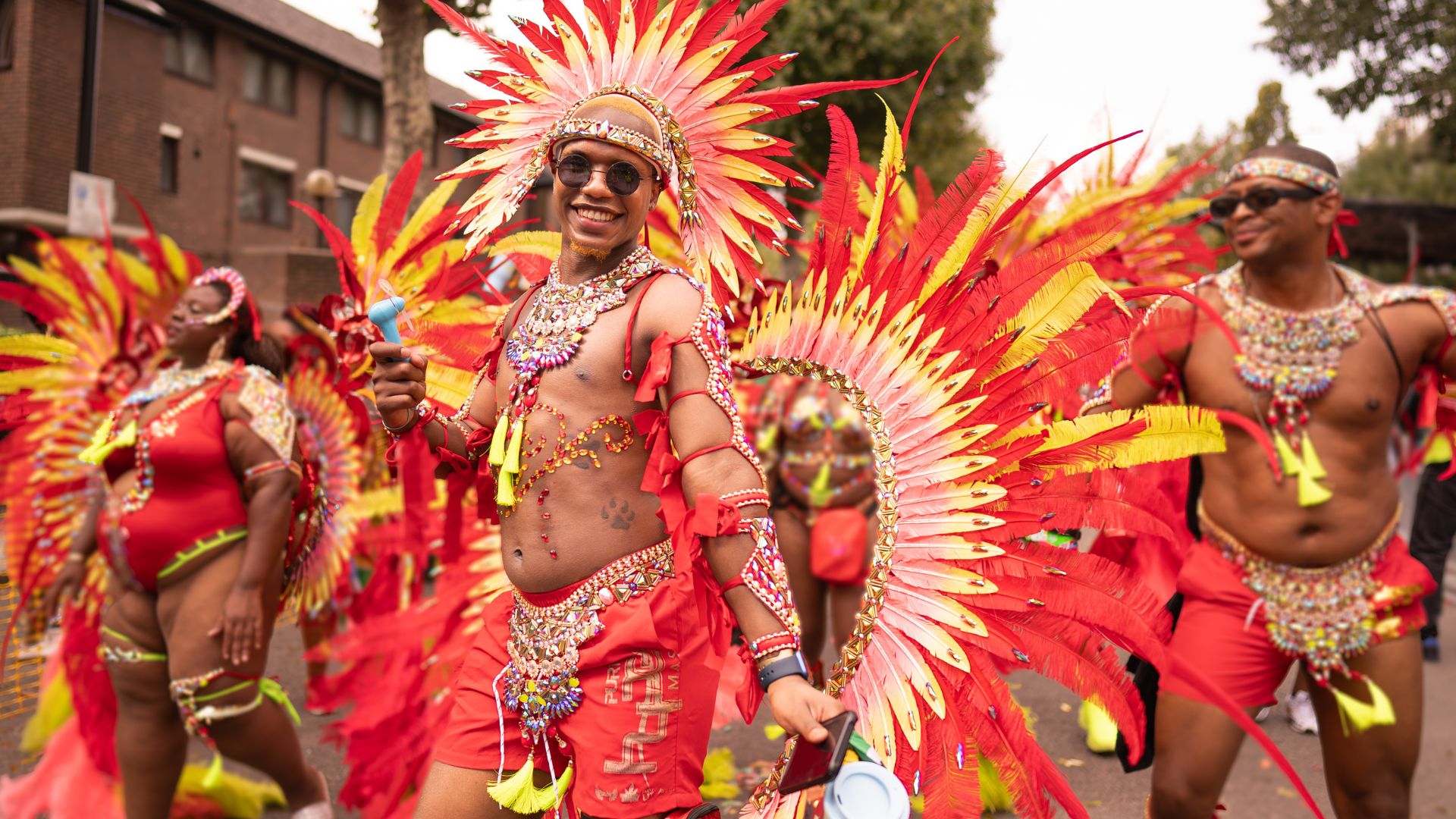
I still remember my very first visit to Notting Hill Carnival when I was just 17 years old (I'm a bit older than that now!). Torrential rain poured down all afternoon, but it didn't stop people dancing – least of all the incredible street performers, who kept the energy going whatever the weather.
One of my favourite things about Carnival is that there's always something new to discover. Alongside the Caribbean music and dance, I’ve stumbled across circus performers, stilt walkers and eccentric mime artists entertaining the crowds, proving that some of the best moments are the ones you don't plan for.
The sound systems dotted around the area are perfect for a bit of music-hopping. Sometimes you'll want to seek out a specific artist, while other times, you'll simply turn a corner and discover something completely unexpected.
Covering genres including reggae, soca, dancehall and dub, the live DJs and performers bring a whole new level of atmosphere to the streets. These areas become particularly busy later in the afternoon, so if there's someone you really want to see, it's worth planning ahead. Just be prepared for it to take a little longer to move from one area to another once the crowds build.
From the streets to the stage, the live music stages offer a different festival vibe, with both established and emerging artists showcasing their talents.
Emslie Horniman's Pleasance Park Stage is the largest of the live music stages, while Powis Square Stage, in the heart of Notting Hill Carnival, has become a fantastic place to discover local artists and performers.
Food and drink highlights at Notting Hill Carnival
Notting Hill Carnival isn't just about the performances – there's a huge amount of incredible Caribbean street food to discover too.
With more than 300 food stalls expected across this year's festival, there really is something for everyone, even the fussiest of eaters.
As soon as you hit the streets of Notting Hill, the first of your senses to be ignited is sound – the beating of steel drums, booming basslines and cheers from the crowds. Then comes the smell, as the glorious aroma of jerk chicken sizzling on open grills fills the air.
I always make a beeline for the Jamaican jerk chicken – it's king when it comes to Caribbean food – but don't skip the sides. Flavour-packed rice dishes, fried plantain and buttery corn on the cob are all worthy additions to your plate. It's not all about the meat either, with many traders offering delicious vegan and vegetarian options too.
Most food stalls also serve soft drinks and refreshing Caribbean beverages, while supermarkets usually remain open on nearby side streets. I'd also recommend bringing a reusable water bottle, as there are free water refill points across the Carnival site (see more information below).
Family-friendly and community zones at Notting Hill Carnival
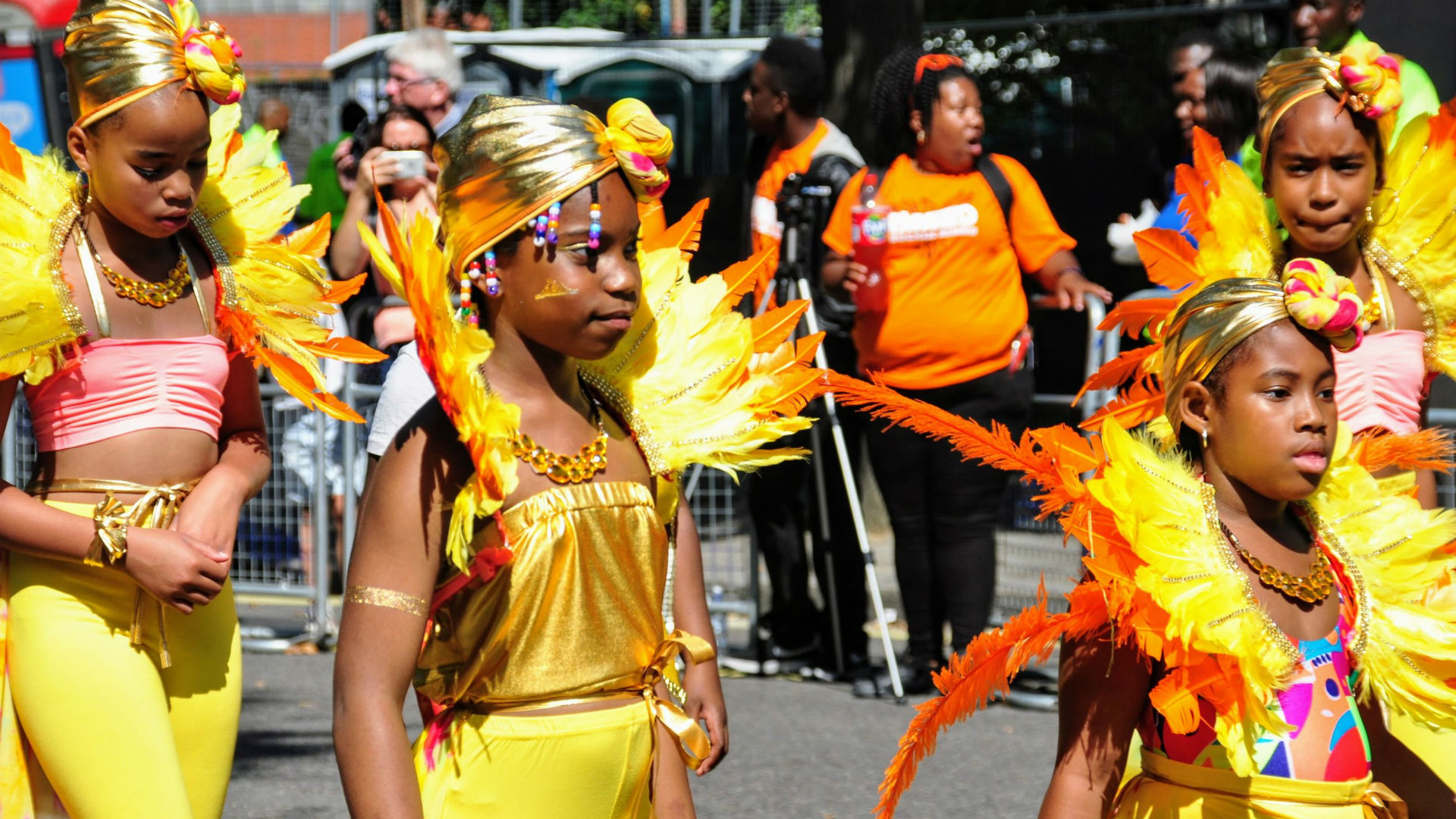
Families are encouraged to join in throughout the whole weekend, and it's such a lovely thing to see younger generations embracing the Carnival spirit, especially in their own colourful costumes.
Kids will love watching the parade and sampling all the delicious food. If they need a break from the crowds, there are several nearby parks where you can sit and recharge before either heading home or carrying on with the celebrations.
I've seen lots of parents dress their children in bright colours and even give them whistles, making them easier to spot in the crowds while adding to the fun. I'd suggest, especially if you're visiting for the first time, arriving a little earlier in the day and heading home before the busiest crowds build. Just bear in mind that road closures and temporary Tube station restrictions mean you may need to walk a little further than expected, and larger buggies can be difficult to navigate through the crowds.
Kid-friendly areas – Best for families with younger children
Children's Day is the perfect way to get little ones involved in festivities. I always think the children look like they're having the best time, proudly showing off their colourful costumes and often having better dance moves than the adults!
Families can soak up the atmosphere together, with kid-friendly entertainment and activities taking place throughout the day, including the much-loved Kids Mas celebrations.
The Meanwhile Gardens Stage is a fantastic spot for families with younger children. It hosts dedicated children's entertainers, interactive performances and offers a relaxed community atmosphere away from the busiest parts of the Carnival.
What to wear to Notting Hill Carnival and festival essentials
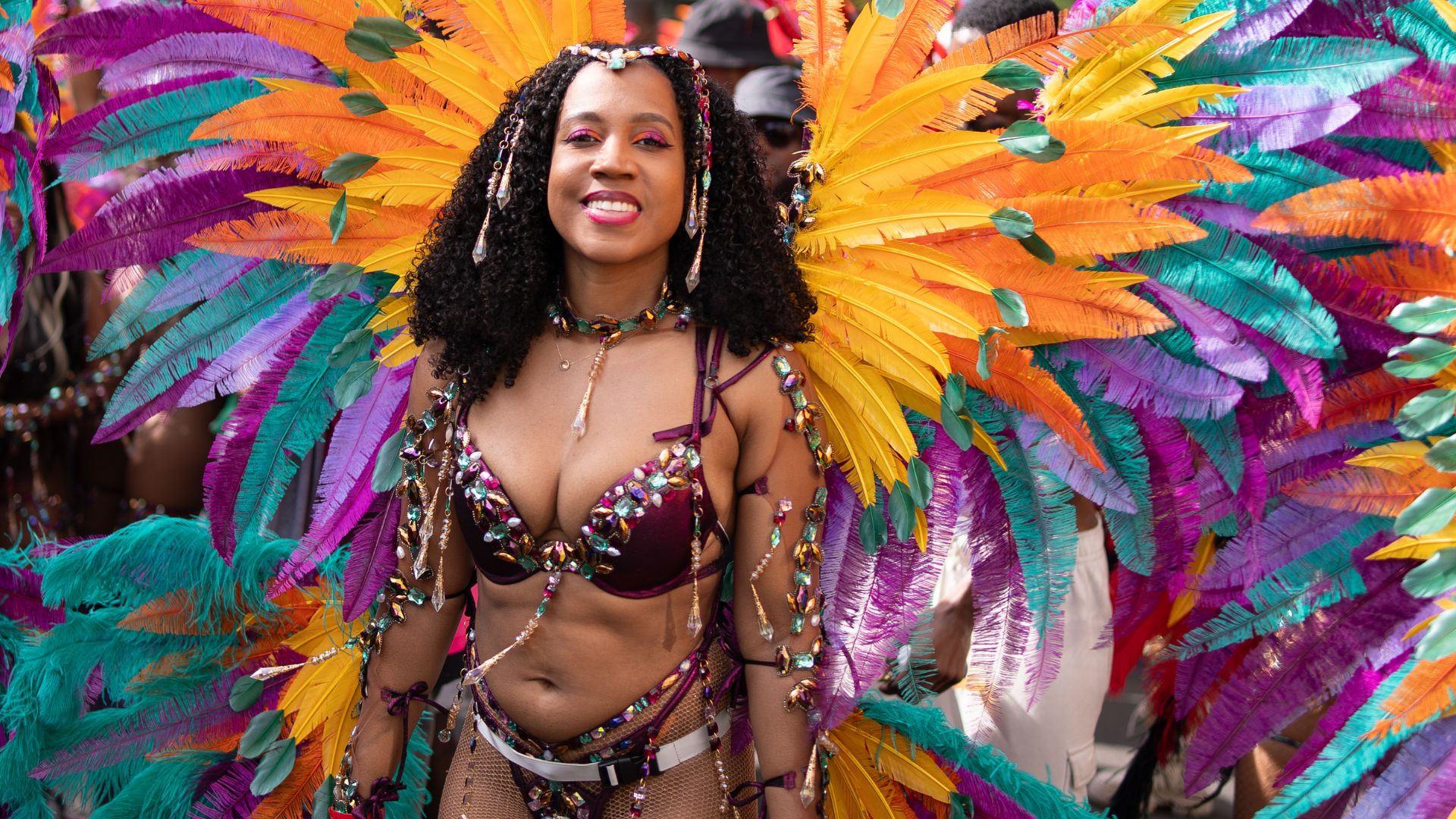
If you're a seasoned festival-goer, you probably already have most of these covered, but here are some of my top tips for spending a day at Notting Hill Carnival.
The great thing about Carnival is that almost anything goes. Want to dress to the nines? Go for it. Prefer to wear your comfiest outfit so you can keep dancing into the evening? That's just as welcome.
- Play Mas: Ever fancied being part of the parade rather than watching from the sidelines? Many Mas bands sell costumes to the public, giving you the chance to join the procession and "play mas" as part of Notting Hill Carnival.
- Embrace colour: Bright colours, feathers, sequins and gemstones are all part of the Carnival spirit. Whether you go all out or simply add a colourful accessory, it's a fun way to join in.
- Go bold with your make-up: Social media is full of Carnival make-up inspiration, from glitter and gems to vibrant eye looks. It's the perfect excuse to get creative.
- Bring a portable charger: You'll likely spend the day taking photos, filming videos and navigating around the Carnival, so a portable charger is well worth packing.
- Wear comfortable shoes: I've always worn my comfiest trainers, but no one will judge you if you'd rather dress up. Just be prepared with a few plasters in case your shoes start rubbing after a full day on your feet.
- Take a refillable water bottle: Free drinking water refill points are available throughout the Carnival, including on Alderson Road, Kensington Park Road and Shrewsbury Road.
- Pack ear plugs: Sound systems can be extremely loud, so its worth taking earplugs - particularly if you're planning to spend several hours close to speakers.
Safety, accessibility and getting around
Notting Hill Carnival is one of London's biggest and most vibrant events, but it also attracts huge crowds and takes place during the height of summer. A little planning goes a long way, so it's worth familiarising yourself with the practical information before you visit.
You'll find stewards, event staff and emergency services throughout the Carnival, all easy to spot in their high-vis jackets and uniforms. Some of my favourite Carnival moments have been seeing the stewards and police officers joining in with the dancing – it's a lovely reminder of the community spirit that runs throughout the event.
There are also dedicated First Aid points across the Carnival for anyone who needs medical assistance, has become separated from their group or is feeling overwhelmed. If you're visiting with friends or family, I'd also recommend agreeing on a meeting point in advance, as mobile signal can become unreliable in large crowds.
Transport and tube tips
With many road closures in place to make way for the celebrations, I'd always recommend travelling by public transport, as it's by far the easiest way to get to and from Notting Hill Carnival.
There are several Tube stations within walking distance of the Carnival, including Bayswater, High Street Kensington, Paddington, Queen's Park and Shepherd's Bush. Just bear in mind that some stations may become exit-only or temporarily close during the weekend to help manage the crowds.
I'd also suggest agreeing on a meeting point with your friends or family before you arrive, plus a backup location in case anyone gets separated. Mobile signal can become patchy once the crowds build, so it's much easier if everyone already knows where to head.
Allow plenty of extra time for your journey, as some bus routes are diverted and local Tube services can become very busy throughout the weekend. Before travelling, check the Transport for London website for up-to-date travel information.
Accessibility information for Notting Hill Carnival
Notting Hill Carnival is open to everyone and aims to be as accessible as possible for visitors with a range of access needs. While the event can get extremely busy, there are some areas that are easier to navigate than others. If you'd prefer a quieter experience, I'd recommend arriving from late morning to early afternoon before the crowds reach their busiest.
Paddington is often considered one of the easiest and least crowded stations to use when arriving at Carnival. Before travelling, it's worth checking which Tube stations offer step-free access and keeping in mind that road closures may affect buses, taxis and other vehicles throughout the weekend.
Full accessibility information can be found on the Notting Hill Carnival website.
Planning to attend the carnival? Book a stay nearby, discover restaurants to keep you refuelled, and download the Visit London app for exclusive offers and on-the-go tips.
Celebrate Black history year-round at the Black Cultural Archives in Brixton, and explore the top events across the capital during Black History Month in October.
More things to do in London during Notting Hill Carnival
From special events at top London venues to the best places to stay so you’re fresh for the festivities, here’s a round-up of things to do in London ahead of and across the Notting Hill Carnival weekend.
2027 London Notting Hill Carnival special events are yet to be announced, but here's what the city showcased in 2026:
Where to eat:
- Celebrations at Boisdale Canary Wharf, which hosted the Saxon Sound System, with Caribbean-inspired dishes, cocktails and live music.
- Sky Garden’s Fenchurch Restaurant one-night-only celebration of Caribbean food, music and culture.
- A special selection of dishes by chef Karma Sherpa, in collaboration with Levi Roots, at Brixton House Bar and Kitchen.
Where to explore:
- A Young Carnival Creators workshop at the National Maritime Museum.
- The Legacy of Notting Hill Carnival exhibition at Somerset House.
- Threads of Carnival workshop at London Museum Docklands to create your own vibrant collages.
- Notting Hill History Walk with a Pint and Pub Grub by Notting Hill Walks.
- Supermalt x Brixton House Carnival 60 Programme, a series of events including workshops, live music, comedy and parties throughout August.
- Channel One Sound System Carnival Warm-Up at Village Underground, presented in collaboration with G-SHOCK.
- City Splash Carnival Warm Up Party at The Steelyard, brought together legendary sound systems, leading DJs and some of London’s top Caribbean music talent.
- Tiffany Calver’s Pre-Carnival Party at Freight Brixton, where the award-winning broadcaster and DJ took over the rooftop for a high-energy celebration of UK music.
Where to stay:
- The Hoxton, Shepherd’s Bush – A great base for Carnival, with pop-up events and open-door afters for those who want to keep the party going.
- Hotel Indigo London Paddington – A boutique hotel that draws on the area’s rich railway heritage.