
Start planning your journeys in London with these essential tools and guides. Find maps, apps and practical tools to help you navigate London and get from A to B with ease.



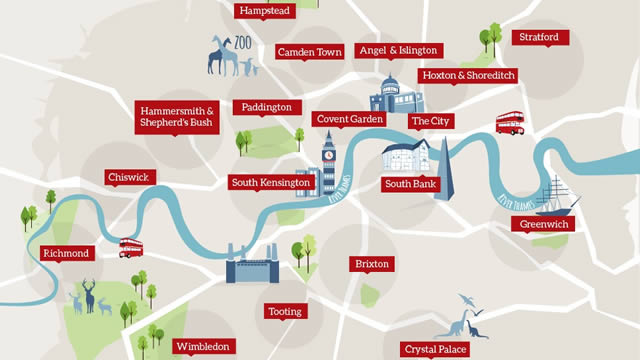
Find the maps, apps and practical guides you need to plan your travel in London. From Tube maps to journey planners, travel apps and attraction maps, this page brings together the key tools to help you organise your journeys. Explore different areas and make the most of your trip with these essential resources. For a complete overview of transport options, visit our guide to getting around London.
Getting into London
Find the best way to get from London’s airports and arrival points into the city centre.


Exploring London once you arrive
Use maps, apps and area guides to explore London’s attractions and neighbourhoods. These tools make it easier to find your way and discover what’s nearby.


Accessible travel in London
Find accessible routes and travel options to help make getting around London easier for everyone.


Explore by category


Tickets, hotels and offers



London maps and guides FAQs
Where can I get help or information in London?
Stop by one of London's Visitor Information Centres for local information, maps and brochures. You'll find them at Victoria, Piccadilly Circus, King's Cross and St Pancras, the City and Greenwich.How do I plan a journey in London?
There are plenty of great transport and travel apps to help you plan a journey in London. Use Citymapper for transport routes, Google Maps for walking directions and the official TfL Go app for real-time Tube and bus updates.
Discover the best of London with the Visit London newsletter
By subscribing you agree to our Terms and Conditions and Privacy Policy. You can unsubscribe at any time by using the “unsubscribe” link at the bottom of any email we send you.