From the London Underground (Tube), buses and trams to local trains, river services and cable cars, there are plenty of ways to get around London depending on your journey and preferences.
London’s public transport system is fully integrated, meaning you can travel across all services using contactless payment or an Oyster card, with fares automatically capped daily to help manage your costs.
Find out more about getting around London, including practical tips, maps and guides.
London public transport at a glance
- 🚇 The Tube is the fastest way to travel across London.
- 🚌 Buses are the most affordable option with a flat fare.
- 💳 Use contactless or an Oyster card – no need for paper tickets.
- 💷 Daily caps limit how much you spend each day.
- 🕒 Travel off peak for cheaper, less crowded journeys.
- 🚫 Buses and trams don’t accept cash payments.
Public transport in London: which option is best for you?
There are several ways to travel around London. Most visitors use a mix of options depending on distance, cost and convenience. Fares vary based on how far you travel, with most attractions located in central London Zones 1 and 2. Travelling outside busy peak times is usually cheaper, while daily caps limit how much you pay in a single day. Not sure which option to choose? Explore each means of transport in London below to find the best way to get around the city.


More ways to get around the city
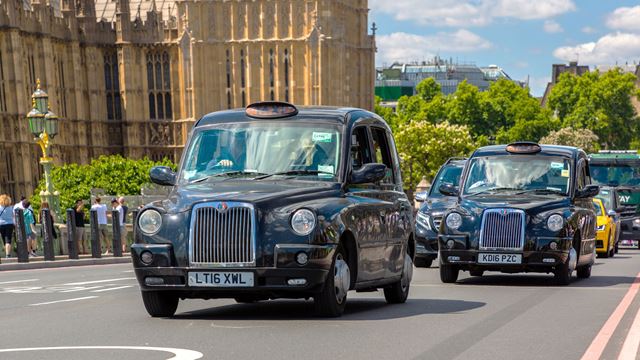
In addition to public transport, there are other ways to get around London depending on your journey, budget and preferences. Walking and cycling are ideal for short distances, while taxis offer convenient door-to-door travel – especially late at night or when travelling with luggage.


Compare London public transport options
Compare London’s transport options based on ease of use, cost and coverage to help you choose the best way to travel for your journey.
| London transport option | Best for | Cost guide | Oyster/contactless accepted | Ease of use | Coverage |
|---|---|---|---|---|---|
| 🚇 Tube | Fast travel across London | ££ | Yes | Easy | Excellent |
| 🚌 Bus | Budget travel, step-free journeys, sightseeing | £ | Yes | Easy | Excellent |
| 🚆Local train/Overground | Exploring beyond the Tube and central London | ££ | Yes | Easy | High |
| 🚃 Tram | Budget travel, step-free journeys, exploring parts of south London | £ | Yes | Easy | Limited |
| 🚈 DLR | Driverless journeys to parts of east and south-east London | ££ | Yes | Easy | Limited |
| 🚤 Riverboat | Picturesque, leisurely journeys along the Thames | £££ | Yes | Easy | Limited |
| 🚠 Cable car | Scenic, family-friendly ride above the Thames | £££ | Yes | Easy | Very limited |
| 🚲 Cycling | Exploring at your own pace, venturing further afield | £ | No | Moderate | Central |
| 🚕 Taxi | Carrying luggage, travelling to specific destinations | £££ | No | Easy | Citywide |
More London travel information
Find useful resources to help you plan and navigate your journeys around London. From understanding fares and checking routes to accessibility guides and travel apps, explore all the information you need to get around the city with confidence.


.jpg?mw=310&rev=156c7d57be424d4b9f2dfc7e534e4f05&hash=297F9C11E87B8866B1B5D4082F7985EE)