1/3
+3
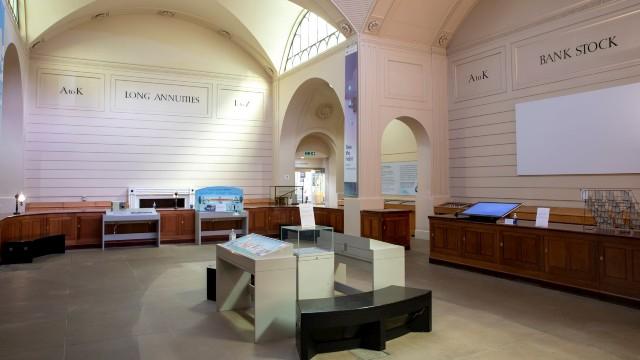
Inside the Bank of England Museum. Image courtesy of the Bank of England Museum.
2/3
+2
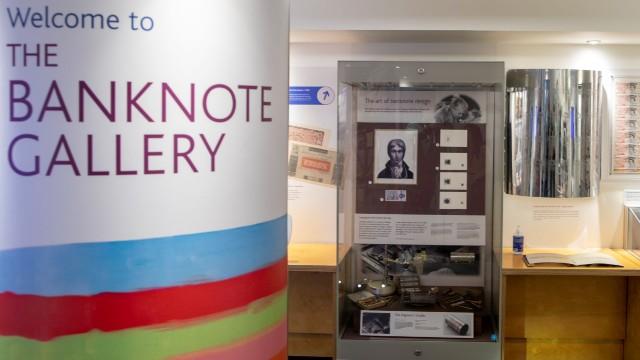
Inside the Bank of England Museum. Image courtesy of the Bank of England Museum.

3/3
Image courtesy of Bank of England Museum
Bank of England Museum
Location
- Address
-
Bartholomew LaneLondonEC2R 8AH
- Telephone:
- +44 (0)20 3461 5545
- [email protected]
About
Step behind the scenes of the Bank of England and discover how the institution grew from its establishment by royal charter in 1694 to become England’s central bank. See historic items relating to the economy and banking system.
Check out documents relating to famous customers who have visited the Bank of England, including Horatio Nelson, George Washington and the Duchess of Marlborough.
And don’t forget to see the Roman mosaics unearthed when the bank was built in 1930 and the weaponry used to defend it.
Along with its permanent displays, the Bank of England Museum also hosts temporary exhibitions on subjects connected to the economy and the history of money.
What is there to do at the Bank of England Museum?
Marvel at ancient gold bars and their modern market equivalent, then learn all there is to learn about bank notes and the people who have been celebrated on them. The Bank of England’s collection of interesting bank notes includes a selection of forgeries and fakes, plus the guides bank staff have used to spot them.Check out documents relating to famous customers who have visited the Bank of England, including Horatio Nelson, George Washington and the Duchess of Marlborough.
And don’t forget to see the Roman mosaics unearthed when the bank was built in 1930 and the weaponry used to defend it.
Along with its permanent displays, the Bank of England Museum also hosts temporary exhibitions on subjects connected to the economy and the history of money.
Is it free to visit the Bank of England Museum?
Yes, it is free to visit the Bank of England Museum.How long does it take to go around the Bank of England Museum?
To fully enjoy the Bank of England Museum, allow yourself one to two hours for your visit.Where is the Bank of England Museum?
The museum is inside the Bank of England in the City of London. You can enter the museum from Bartholomew Lane.How do I get to the Bank of England Museum?
The closest Tube station is Bank (Central, Northern, DLR, Waterloo & City lines), which is a one-minute walk away. Monument (Circle and District) and Mansion House (Circle and District) are a six-minute walk away and Liverpool Street (Central, Hammersmith & City, Metropolitan) is seven minutes away.
Bus routes 8, 11 25, 26 run close to the museum.
There are Santander Cycles docking stations directly outside the museum.
How much are Bank of England Museum tickets?
| Adult ticket | Free | |
|---|---|---|
| Child ticket | Free | |
| Concession ticket | Free | |
| Family ticket | Free |
Bank of England Museum opening times
Monday to Friday: 10am to 5pm
Open late every third Thursday of the month until 8pm