
Location
- Address
-
10 Keats Grove, HampsteadLondonNW3 2RR
- Telephone:
- +44 (0)20 7332 3868
- [email protected]
- Public transport:
- Hampstead Heath: turn right on South End Green and then left to Keats Grove. Belsize Park: Turn right on Haverstock Hill, then right on Pond St, left on South End Green and
Reviews
TripAdvisor
About
Be inspired on a visit to Keats House, the home of Romantic poet John Keats.
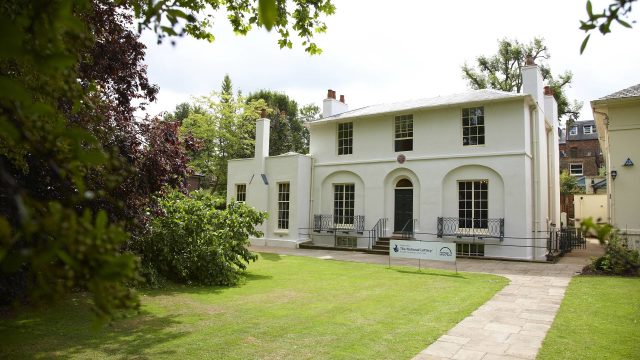
Explore the charming Regency villa that was Keats’ home for nearly two years from December 1818. Many of his most famous poems were written here, including Ode to a Nightingale.
A visit to the house and garden takes you on a journey through the life and loves of this remarkable poet, including the story of his relationship with fiancee and muse Fanny Brawne.
Admission to the house includes access to the latest exhibition and there are regular, one-off events such as late-night openings, poetry readings and more.
This content has been supplied by Keats House
How much are Keats House tickets?
| Concession ticket | £6.20 per ticket |
|---|---|
| Child ticket | Free |
| Adult ticket | £10.30 per ticket |
Group discount is available.
This content has been supplied by Keats House
Keats House opening times
Wednesday to Friday and Sunday: 11am to 1pm and 2pm to 5pm
Facilities & Accessibility
- Access Inside Building Facilities
- Steps with handrail within building
- Steps within building
- Access into the Building
- Flat routes from parking area to entrance
- Temporary ramps available
- Accessible Bathroom Facilities
- Designated wheelchair accessible public toilet
- Accessible Communication Facilities
- Hearing loop system
- Information available in audio format
- Accessible Parking Facilities
- Blue badge parking available
- Accessible Venue Facilities
- Assistance dogs welcome
- Level access, ramp or lift to the shop
- Additional Accessible Facilities
- Accessible baby changing rooms
- Attraction Facilities
- Patron toilets
- Booking Facilities
- Group bookings accepted
- Children Facilities
- Children welcome