Horniman Museum and Gardens

About Horniman Museum and Gardens

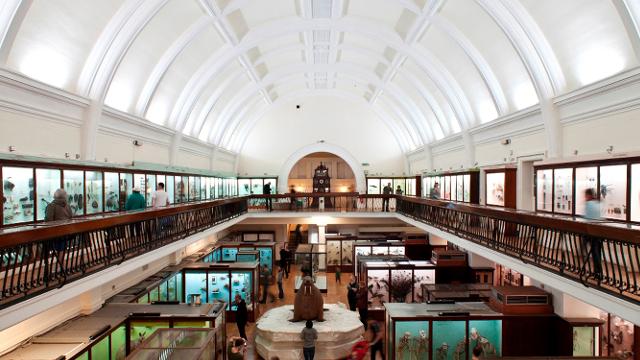
The Horniman Museum in Forest Hill is a free museum with extensive collections of anthropology, natural history and musical instruments. The museum hosts a variety of special exhibitions, concerts, festivals, shows, workshops and activities.

The Horniman museum is a South London treasure. You’ll love the gigantic overstuffed walrus, the new aquarium and the café.

Facilities

Opening Times Daily 10.30 - 17.30 except 24 - 26 December
Booking and payment details Free

Horniman Museum and Gardens Address

Address:
100 London Road
London
SE23 3PQ
Telephone: +44 (0)20 8699 1872
Fax: +44 (0)20 8291 5506

Prices for Horniman Museum and Gardens

Entrance to the Museum and Gardens is FREE. A charge is made for some major temporary exhibitions.


Location Information for Horniman Museum and Gardens

Address:
100 London Road
London
SE23 3PQ
Telephone: +44 (0)20 8699 1872
Fax: +44 (0)20 8291 5506
By Road: Rail: Forest HillBus: 63,122,176,185,312,P4,P13

Getting There

Going to Horniman Museum and Gardens using public transport? Find the fastest route:

Get here with Journey Planner
 
Horniman Museum and Gardens
 

Reviews of Horniman Museum and Gardens

Visit London review of Horniman Museum and Gardens

Reviewed by: Visit London
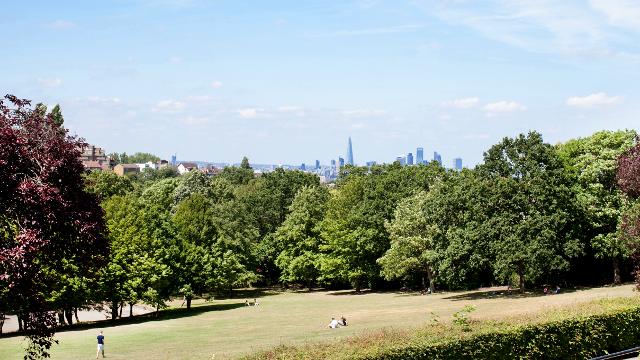
Packed with fascinating objects from around the world, the Horniman Museum is a real Aladdin's cave of treasures, and best of all entrance is free! The Handling Collection allows all ages to touch and play with musical instruments, masks puppets and clothing, while the aquarium is home to a Fijian reef, a tropical rainforest, mangrove and UK rock-pool display. Don't miss the beautiful gardens, which cover 16 acres of formal and natural landscapes. There is also a full programme of exhibitions and special events, from storytelling and art and craft sessions for children to workshops and courses for adults.
 

TripAdvisor ®

Traveller Rating:

4.0
Based on 3 reviews
Ranked #101

  Latest 3 reviews of Horniman Museum and Gardens

Entertaining and informative day out for children young and old !

After reading a few reviews of the Horniman we decided to go here with our 4,6 and 7 year olds whilst up in London for the weekend. We weren't really sure if it was going to be worth it but were...

After reading a few reviews of the Horniman we decided to go here with our 4,6 and 7 year olds whilst up in London for the weekend. We weren't really sure if it was going to be worth it but were totally won over by the whole place. I liked the Victorian collection of stuffed animals (might want to be a bit selective if you are a dog-lover !) as it was like the museums I used to visit as a child, whilst the children loved the Robot Zoo (temporary exhibition) which was really hands-on and very inventive. There is a great aquarium with jelly-fish, tropical fish and a British coastline section. Again very well thought out and just as educational as it was fun. We didn't even have time to visit two of the exhibition areas as we only had half a day so I would definitely recommend spending a whole day. There are lovely gardens, a great conservatory and brilliant cafe with a huge range of food. All in all a really worthwhile place to visit, and what's more it is free to get in to the main museum.

 
5.0
25 September 2009
by Jemima71, West Wales
 

Adults should stay away

This was an old fashioned museum, apparently focussed on teaching, which has been transformed into a child focussed activity centre. Not a pleasant transition, because the physical plant is not...

This was an old fashioned museum, apparently focussed on teaching, which has been transformed into a child focussed activity centre. Not a pleasant transition, because the physical plant is not appropriate.

When we were there the museum was filled with hundreds of screaming children, with the chaos magnified by hard, sound reflective surfaces. One beautiful exhibit was actually displayed over plywood platforms, which some children took great pleasure on jumping on. Parents also screamed at the top of their lungs to be able to be heard. People shouldn't be expected to work in that sort of environment. Whatever committee decided to do this to a perfectly good museum should be forced to spend all their Saturdays in the foyer.

The gardens provide a very pleasant place to let your blood pressure return to normal. Then go on down the road to the Dulwich Picture Gallery which is an island of serenity.

 
2.0
18 April 2009
by jiminedmonton, Edmonton
 

Time to get Horniman ?

Outside the centre of London near the impressive Dulwich college and the villegette of Dulwich is the Horniman (yes I know, Do i make you Horni jokes etc) Museum. The insides are a strange...

Outside the centre of London near the impressive Dulwich college and the villegette of Dulwich is the Horniman (yes I know, Do i make you Horni jokes etc) Museum. The insides are a strange amalganation of curiosities, most outstanding were the live jelly fish (never seen before and i've been to a lot of aquariums)and the bee hive, all nicely put together. There is also a very large and imprssive collection of musical instruments and an intreactive aid. The horniman is geared to youngsters and they flock their especially on warm days with their parents, the wide scope of exhibitions will should catch their attention and not make the adults bored. The gardens of the museum are in my opinion the outstanding part and worth a look by themselves, nicly presented and they create a varied enviroment for all to enjoy (especially the local squirrel population).

 
4.0
6 February 2009
by PackATowel, London
 

Are you a representative of Horniman Museum and Gardens?
Respond to Reviews

Write a Review

Read more reviews on TripAdvisor

About TripAdvisor and Visit London

Please be advised that any comments, opinions and statements submitted herewith are entirely independent and do not represent views held by, or are in any way connected to Visit London.

Events at Horniman Museum and Gardens

  • Archaeology

    Exhibition

    Recurring event

    The Horniman Museum's collections include a substantial amount of archaeological material, including items from all over the world. Frederick Horniman began these collections himself, and they were added to over the decades through donations and purchases from a number of sources. British prehistoric material forms a large proportion of collection, the bulk of it flint tools, some from well-known sites such as Swanscombe and Grimes Graves. There are also prehistoric objects from all over Europe and some parts of Africa. Ancient Peruvian pottery and Caribbean stone tools are also represented. The Museum has a large number of Ancient Egyptian artefacts as well as a collection of Ancient Greek and Cypriot pottery. Other material includes flint tools and weapons from North America, glass spearheads from Australia and a small collection of Romano-British objects.

     
  • Book Zone

    Exhibition

    Recurring event

    Make connections to Horniman Museum and Gardens objects, exhibitions through reading in a group.

     
  • Centenary Gallery: A Hundred Years of Collecting

    Exhibition

    Recurring event

    The Centenary Gallery puts on show anthropological artefacts from cultures and civilisations from every continent. The gallery focuses on the changes in perspective of collectors over the last 100 years, from amateur enthusiasts like Frederick Horniman himself, to academic anthropologists such as Alfred Cort Haddon, the Museum's first advisory curator. Items collected by recent anthropology curators from places such as Nigeria, the American Southwest and Nepal show how collecting has become a much more collaborative enterprise.

     
  • Collections: African

    Exhibition

    Recurring event

    The African collections, an estimated 22,000 objects, represent 28 per cent of the total ethnography collection. The geographical range of the collection is wide, covering the whole of the continent, with virtually every modern African state represented, stretching from the northern deserts to the Cape of Good Hope and from the Guinea Coast to the Horn of Africa. The variety of material is considerable and encompasses aspects of many different lifestyles, from hunter-gathering and farming to town and city life. From the 1950's, development of the collection focused on representing the material culture of specific African peoples. Significant museum holdings include systematic collections from the Sua of Zaire, the Hadza of Tanzania, the San of Botswana, the Tuareg of Algeria, the Samburu of Kenya and the people of the Cross-River area of Nigeria.

     
powered by Yedda

Questions About Horniman Museum and Gardens

Get Answers to Your London Questions
Got a question? Ask on Yedda!

Ask the Community

Recent Questions