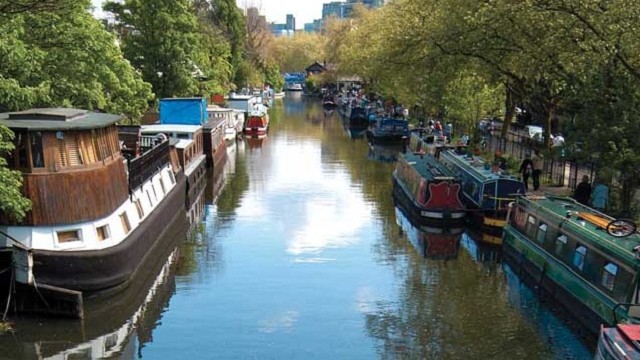
The River Lee runs 28 miles from its source near Luton all the way to the Thames at Stratford.
A luscious green corridor running vertically north to south, the Lee Valley includes a number of country parks, nature reserves and heritage sites.
Lee Valley Olympic Park

The Lower Lee Valley is going to be a hub of activity over the next few years as the area sees major redevelopment work for the impending 2012 Olympic Games.
The new Olympic Park will place an emphasis on sustainability, so that the games will leave a legacy of superb facilities and good transport links for this currently run-down and little-known area. Expect to see fully sustainable leisure venues, offices, parks and wildlife habitats.
Stratford in East London and the waterways that flow through the Lower Lee Valley will form a brand new focal point for the capital.
Follow one of the guided walks around what will be the Olympic Park and see where work has started on the world-class Aquatics Centre and the new Stratford international station. Marvel at the massive scale of the Olympic village and take in some of the surrounding scenery.
Lee Valley Sights & Activities

The leafy and secluded Lee Valley is popular with cyclists and walkers, providing a relaxing green space hidden away from the London sprawl. Visitors to the area can enjoy a waterside picnic, visit some of the historic local attractions or simply take an unhurried ramble any weekend of the year.
The Lee Valley area is geographically very large. Therefore we have mentioned these local attractions in order, from the southernmost tip of the valley northwards.
Three Mills
When exploring the Lee Valley area you must stop off at the scenic House Mill, surrounded by three channels of the River Lee. Here you will find the oldest and largest tidal mill in the country, built in 1776. Visitors can explore the waterways with a boat cruise or, on the first Sunday of each month, head to the craft fair set up along the cobbled waterfront.
More recently, Three Mills has become famous in the film world with the presence of the Three Mills Studio. Television programmes such as London's Burning, Bad Girls and Big Brother were all filmed here, while the recording studios are familiar to stars such as Robbie Williams.
Contemporary Art at The Nunnery Gallery
To the west of Three Mills on the Bow Road is contemporary art gallery The Nunnery. Part of the Bow Arts Trust, the gallery is a good place to see current contemporary work across all disciplines of the visual arts.
Victorian Heritage
The Abbey Mills Pumping Station lies just north of Three Mills. Built in the 1860s, it was designed in an elaborate gothic style, leading to its description as the "Cathedral of Sewage". It is a spectacular sight, and has a twin on the south side of the river at Crossness.
The Great Outdoors

Lying slightly north, and to the west of Stratford town centre, is the Bully Point Nature Reserve. This area is perfect for a day out. So take the bikes and a picnic and enjoy the variety of habitats and rare wildlife.
Waltham Abbey Area
The historic Waltham Abbey Church is just outside the M25. In the town of the same name, the abbey dates from the 11th century and is where King Harold is reputed to have been buried. The nave of the original abbey church is in use today and makes for a fascinating stop-off if you're in the area.
The Royal Gunpowder Mills occupy a huge area of land just outside Waltham Abbey. The mills were established during the 17th century and developed an international reputation for the production of gunpowder.
In this superb interactive park you can learn about the history of explosives, browse the exhibitions or take a Land Train Tour round the site. The Mills are open to the public each weekend over the summer.
Getting There
See our travel section to plan your journey.


Sport + Hotel
London Shop
London Pass
Tours