

Westminster Abbey tickets and visitor guide
Overview
Location
- Address
-
Westminster AbbeyLondonSW1P 3PA
- Telephone:
- +44 (0)20 7222 5152
- [email protected]
Reviews
TripAdvisor
About
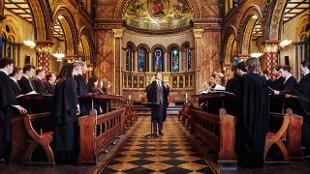
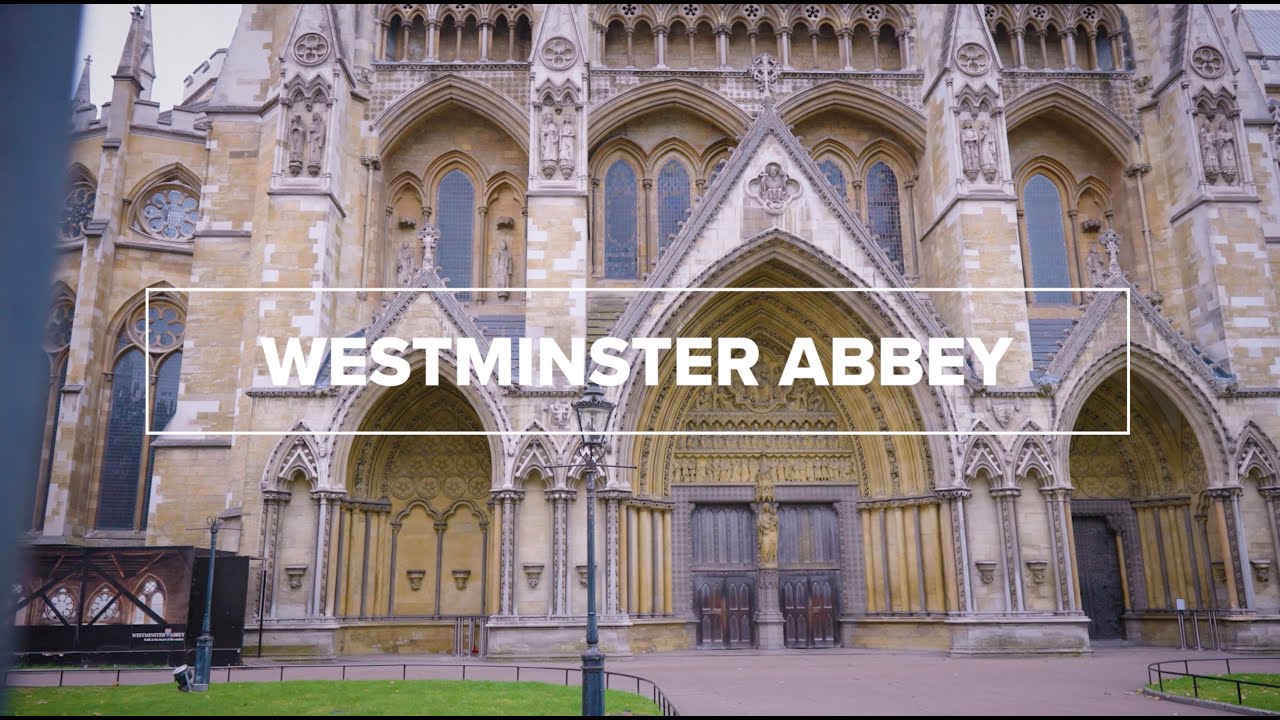
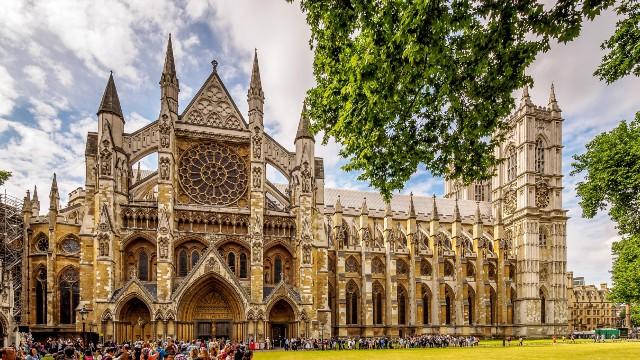
Marvel at the incredible architecture of Westminster Abbey, an active place of worship and Unesco World Heritage Site in London, during a Westminster Abbey tour.
Founded by Benedictine monks in 960 AD, the abbey is Britain's coronation church and the setting for many special ceremonies, including the wedding of Prince William and Kate Middleton in 2011 and the state funeral of Queen Elizabeth II in 2022.
What is there to see at Westminster Abbey?
Westminster Abbey has been the site of coronation for all British monarchs since 1066 and is home to the ancient Coronation Chair, which is found in St George’s Chapel.
It is also the final resting place of 30 kings and queens with memorials to Edward the Confessor, Richard II, Elizabeth I, Mary Queen of Scots and more royal tombs found within the abbey.
On the Westminster Abbey tour, you'll get a chance to visit Poets’ Corner, where more than 100 poets and writers are buried or commemorated, including Geoffrey Chaucer, William Shakespeare, Jane Austen and Charles Dickens.
Step inside the Lady Chapel and gaze up at its awe-inspiring vaulted ceiling; see ancient murals at The Chapter House in the East Cloister; enjoy the Queen’s Window designed by world-renowned artist David Hockney; and head to the West Door to pay tribute to the statues of 10 heroic Modern Martyrs, including Martin Luther King Jr.
History of Westminster Abbey
Westminster Abbey, formally titled the Collegiate Church of Saint Peter at Westminster, was founded by Benedictine monks in 960 AD.
In the 1040s, King Edward the Confessor began rebuilding and enlarging Saint Peter's Abbey to create a royal burial church. Construction of the present church began in 1245 on the orders of King Henry III. The monastery was dissolved in 1559, and the church was made a royal peculiar, accountable directly to the sovereign, by Elizabeth I.
Since 1066, Westminster Abbey has been the site of the coronations of 40 monarchs, and the final resting place of 30 kings and queens. At least 16 royal weddings have taken place at the abbey since 1100, including the wedding of Prince William and Kate Middleton in 2011.
How long is the Westminster Abbey tour?
With so much history and heritage to discover, you could easily spend two to three hours exploring Westminster Abbey.
How to book tickets to Westminster Abbey
You can buy tickets for Westminster Abbey using the booking button on this page.
Multimedia guides are available in multiple languages and included with your ticket.
Simply select the day you would like to visit and choose either morning or afternoon entry.
- Morning entry: weekdays (9.30am to 12pm), Saturdays (9am to 12pm).
- Afternoon entry: weekdays (12pm to 3pm), Saturdays (12pm to 2.30pm).
Westminster Abbey guided tour
Gain in-depth knowledge about the incredible architecture and fascinating history of Westminster Abbey on a professional guided tour. See the main features of the historical royal church, admire the impressive interiors of one of London's most iconic landmarks and learn about its historic past.
Westminster Abbey guided tour ticket options include the chance to combine your Westminster Abbey tour with a visit of the Houses of Parliament or a hop-off hop-off bus tour of London.
Can you visit Westminster Abbey for free?
Westminster Abbey is an active place of worship. You can only visit Westminster Abbey for free if you are attending a service.
Can I go to a service?
All are welcome to attend the daily services for free, including morning prayer, holy communion, sung eucharist and evensong.
There are also a number of special services throughout the year, which are by invitation only or may require tickets to be booked in advance.
Westminster Abbey opening times
Westminster Abbey is open from 9.30am to 3.30pm from Monday to Friday, and 9am to 3pm on Saturday. On Sunday, it is open for worship only. Opening times may vary, depending on events and services taking place in the abbey.
Is there a gift shop?
Westminster Abbey has two gift shops, offering an extensive range of items and souvenirs to remember your visit. From books and jewellery to gifts, many of the items are inspired by the history of the abbey, the royal family and London.
Where is Westminster Abbey?
Westminster Abbey is in Westminster, central London. The exact address is: Dean's Yard, London SW1P 3PA.
How to get to Westminster Abbey
- Tube – The closest Tube stations are Westminster (Jubilee, Circle and District lines) and St James's Park (Circle and District lines), which are both about five minutes' walk away.
- Bus – Various bus routes stop close to Westminster Abbey: 11, 24, 26, 88 and 148.
- Cycling – Rent a bike with Santander Cycles and take the direction of Westminster Abbey. You can find docking stations at Storey’s Gate and Westminster Pier.
What is Westminster Abbey famous for?
Westminster Abbey is famous for being the setting of many royal events and special ceremonies, including the wedding of Prince William and Kate Middleton in 2011 and the state funeral of Queen Elizabeth II in 2022.
Can you visit Westminster Abbey cemetery?
Westminster Abbey is the final resting place of 30 kings and queens with memorials to Edward the Confessor, Richard II, Elizabeth I, Mary Queen of Scots and more royal tombs found within the abbey. You can visit the royal tombs as part of the Westminster Abbey tour.
Can you visit Westminster Abbey on a Sunday?
On Sunday, Westminster Abbey is open for worship only. Opening times may vary, depending on events and services taking place in the abbey.
Are Westminster Abbey and Westminster Cathedral the same?
Westminster Abbey and Westminster Cathedral are two separate buildings. Westminster Abbey is an Anglican church, whereas Westminster Cathedral is Roman Catholic. Westminster Cathedral was completed in 1903 and consecrated in 1910. It is located on Victoria Street, not far from Victoria Station.
How much are Westminster Abbey tickets?
Find the prices for Westminster Abbey tickets and book with Visit London using the booking button on this page.
| Adult ticket | From £31.00 per ticket | |
|---|---|---|
| Child ticket | From £14.00 per ticket | |
| Concession ticket | From £28.00 per ticket | |
| Family ticket | From £31.00 per ticket | |
| Senior ticket | From £28.00 per ticket |
Child under 5 free.
This content has been supplied by Westminster Abbey
Westminster Abbey opening times
Monday, Tuesday, Thursday, Friday 09:30 - 15:30 Wednesday 09:30 - 18:00 Saturday September - April - 09:30 - 13:30 May - August - 09:30 - 15:30 Dedicated to the celebration and commemoration of national events and royal occasions, the Abbey may som
Facilities & Accessibility
 See detailed accessibility information for this venue on AccessAble
- Access Inside Building Facilities
- Seating for limited mobility users along routes
- Some routes suitable for limited mobility users
- Some routes suitable for wheelchair users
- Steps with handrail within building
- Access into the Building
- Assisted wheelchair access
- Accessible Bathroom Facilities
- Designated wheelchair accessible public toilet
- Accessible Communication Facilities
- Hearing loop system
- Accessible Parking Facilities
- Drop-off point for guests available outside main entrance
- Accessible Venue Facilities
- Assistance dogs welcome
- Level access, ramp or lift to restaurant or cafe
- Level access, ramp or lift to the shop
- Special dietary requirements catered for
- Staff disability awareness trained
- Wheelchairs available free of charge
- Additional Accessible Facilities
- Level access, ramp or lift to garden
- Level access, ramp or lift to information point
- Attraction Facilities
- Audio commentary available
- Gift shop
- Patron toilets
- Public toilets
- Booking Facilities
- Coach parties accepted
- Group bookings accepted
- Catering Facilities
- Event catering
- Nut-free option on menu
- Private Dining
- Restaurant
- Vegetarian options on menu
- Event Facilities
- Conference rooms / Meeting rooms
- Offers charity rates
- General Facilities
- Free WiFi
- Staff LGBT trained
- Payment Facilities
- Group rates available