Thames River Environment and Conservation

The River Thames is an important wildlife habitat and home to 146 Sites of Special Scientific Interest. It is also a critical drainage channel for 9,873 sq km (3,812 sq miles) of England and it supplies two-thirds of London's drinking water.

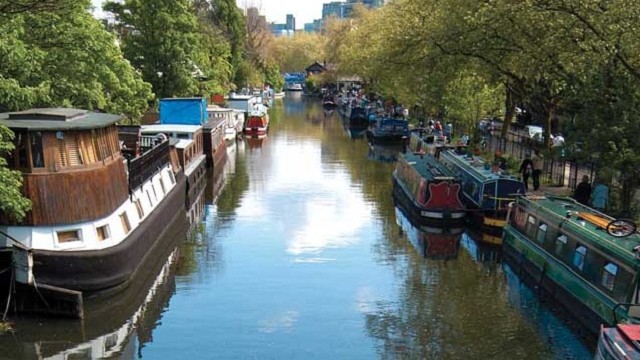
London's waterways are much loved by both residents and visitors as they offer a green and idyllic refuge within the city. Like many other "free spaces", they require considerable maintenance and deserve respect.

The Thames Barrier

A series of moveable structures protects London from the threat of flooding from the sea. The largest of these is the impressive Thames Barrier, which spans 520m (0.32 miles). Ten massive gates pivot between concrete piers. A riverside walk gives close-up views and you can discover how the barrier operates in the Thames Barrier Information and Learning Centre. London's flood defences are the responsibility of the Environment Agency.

Find out more at Environment Agency/Thames Region.

Volunteering

Many share a passion for taking care of London's river and canals. There are some great schemes that we can all participate in. So, for something different and worthwhile why not go messing about on the river?

Thames21

The environmental charity Thames21 dedicates itself to keeping London's waterways clean and safe for people, fish, birds, plants and animals alike. As volunteers carry out most of the work, Thames21 welcomes all levels of participation.

For example, Thames21 trains and gives uniforms to the Canalkeeper volunteers. Their duties include picking up litter, removing graffiti, reporting vandalism and keeping a careful eye on local wildlife. They also check for fly tipping and overflowing bins.

The Adopt-A-River scheme was set up to encourage Londoners to look after their local stretch of river. Adopt-A-River groups generally consist of 5 people or more. They not only keep their part of the river clean and safe but also become involved with local conservation. Again, Thames21 supplies all equipment, insurance and health and safety instructions.

London Wildlife Trust

Remember Ratty from The Wind in the Willows? He was actually a water vole, but numbers of the species have been in decline since Kenneth Grahame wrote the book. The London Wildlife Trust runs the London Water Vole Project dedicated to the conservation of the species. You can take part in a local project to protect the waterside habitat where water voles are living.

Waterscape (British Waterways)

Find out more about water voles, toads, coots and other wildlife that you can spot on Britain's waterways. You can report any sightings of wildlife via Waterscape's online survey. So get your binoculars and notebook out!

Thames Path National Trail

If you live in Surrey, Berkshire or Oxfordshire, you could help out on the Thames Path National Trail. There are always tasks to carry out, such as clearing vegetation, constructing signs and installing gates. Tools and training are provided and it's a great way to meet new people and enjoy being out in the fresh air!

The London Canal Museum

At the London Canal Museum in King's Cross you can learn all about life on a traditional narrowboat. Dedicated to preserving the heritage and history of London's canals, the museum welcomes volunteers to help out with general maintenance and front-of-house, administrative and conservation duties. The museum occupies a former ice warehouse built in 1862-63 for the famous ice cream maker Carlo Gatti.

For more information on how you can help, see Canal Museum/Volunteering.


Questions About Thames River Environment and Conservation

powered by Yedda
  • Platinum Partner
    Covent Garden London
  • Platinum Partner
    The Royal Parks
  • Platinum Partner
    Chelsea Football Club
  • Platinum Partner
    Collins